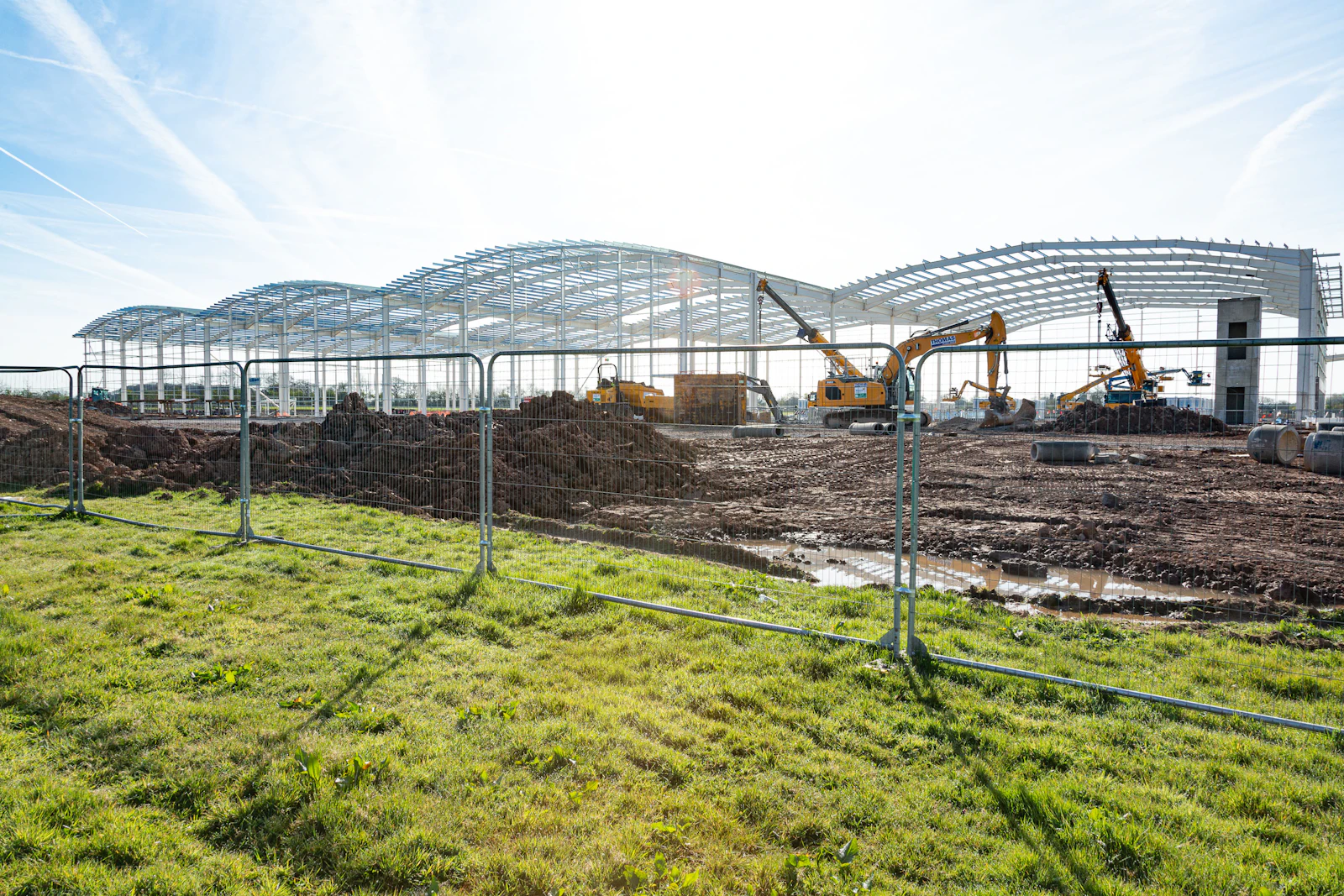
For 2026 planning in San Jose, California, excavator equipment hire typically budgets in these base (equipment-only) rental ranges: compact/mini excavators around $225–$425/day, $585–$1,100/week, and $1,300–$2,350 per 4 weeks; mid-size hydraulic excavators (roughly 30,000–35,000 lb class) around $650–$950/day, $1,600–$2,400/week, and $3,350–$4,600 per 4 weeks; and larger excavators (roughly 45,000–50,000 lb class) around $675–$1,050/day, $1,950–$3,000/week, and $4,750–$6,250 per 4 weeks. These ranges assume a standard bucket, a standard rental shift, and do not include delivery/mobilization, damage waiver/rental protection, fuel, cleaning, or sales tax. In the San Jose metro, rental coordinators most often source from national houses (e.g., United Rentals, Sunbelt Rentals, Herc Rentals) plus regional dealers and independents; availability, transport windows, and attachments usually move the total hire cost more than the headline day rate.
| Vendor |
Daily Rate |
Weekly Rate |
Review Score |
Website |
| Sunbelt Rentals (San Jose, CA — Branch #1132) |
$562 |
$1 516 |
7 |
Visit |
| Herc Rentals (San Jose, CA) |
$514 |
$1 534 |
8 |
Visit |
| EquipmentShare (Newark, CA — serves San Jose metro) |
$678 |
$1 836 |
9 |
Visit |
| Cresco Equipment Rentals (Santa Clara, CA — San Jose metro) |
$1 022 |
$3 158 |
9 |
Visit |
Excavator Rental
When stakeholders say “excavator rental” on a San Jose job, they can mean anything from a 3,500 lb mini for tight-access trenching in Willow Glen to a 30–34K hydraulic excavator for utility work near North San Jose industrial corridors, or a 45–49K class for heavier civil scopes. For budget control, the most important step is defining the class (operating weight), undercarriage (rubber vs steel tracks), and the attachment package (bucket set, thumb, breaker, auger), then aligning the hire term to the rate break (day vs week vs 4-week).
San Jose Excavator Equipment Hire Rate Benchmarks (What You Should Budget For 2026)
Use these as planning allowances for excavator equipment hire costs in San Jose in 2026. They reflect typical market behavior (week and 4-week discounts), and they are anchored by published schedule pricing where available. Your actual quote will vary by availability, account status, haul distance, and attachments.
Mini excavator (approx. 2,000–3,500 lb class; rubber track typical): A published rate schedule shows a 3,500 lb mini excavator at about $218.50/day, $584.25/week, and $1,296.75 per month (4 weeks) before add-ons. For 2026 San Jose planning, budget $225–$375/day, $585–$950/week, and $1,300–$2,050/4 weeks to account for scheduling constraints, seasonal demand, and attachment/configuration differences.
Mini excavator (approx. 6,000–7,500 lb class): A published schedule shows about $232.75/day, $622.25/week, and $1,344.25 per 4 weeks. For 2026 in San Jose, a practical budget range is $240–$425/day, $620–$1,100/week, and $1,350–$2,350/4 weeks (especially if you need specialty buckets, a hydraulic coupler, or guaranteed delivery windows).
Hydraulic excavator (approx. 25,000–35,000 lb class; common “30–34K”): A published schedule shows about $622.25/day, $1,596.00/week, and $3,367.75 per 4 weeks. For 2026 San Jose equipment hire, budget $650–$950/day, $1,600–$2,400/week, and $3,350–$4,600/4 weeks because transport and compliance costs are proportionally higher and availability can tighten quickly during utility seasons.
Hydraulic excavator (approx. 45,000–50,000 lb class): A published schedule shows about $631.75/day, $1,952.25/week, and $4,759.50 per 4 weeks. For 2026 San Jose planning, budget $675–$1,050/day, $1,950–$3,000/week, and $4,750–$6,250/4 weeks, with a separate (often material) transport line item due to trucking/permits and constrained delivery windows.
What Drives Excavator Equipment Hire Costs In San Jose?
San Jose excavator equipment hire costs are driven by several cost levers that are easy to miss when a superintendent asks for “a machine tomorrow.” The biggest drivers are (1) machine class and configuration; (2) transport logistics and time windows; (3) attachments that change productivity and risk; and (4) how your site handles off-rent, cleaning, and damage waiver requirements.
- Machine size and reach: Moving from a 3,500 lb mini to a 30–34K class excavator is not a linear cost step; it changes trucking method, yard handling, and sometimes the vendor’s minimum term expectations.
- Rubber tracks vs steel tracks: Rubber-track minis tend to carry cleaning and track-damage scrutiny on paved or hardscape sites; steel-track machines may trigger more surface-protection requirements.
- San Jose delivery realities: Congestion on US-101, I-280, I-880, and SR-87 frequently makes “8–10 AM delivery” a premium request. Budget more when you need a narrow delivery appointment window (e.g., a 60-minute slot at an active campus or logistics yard).
- Dust-control and housekeeping expectations: Many San Jose sites (tenant-improvement, campuses, or med/lab adjacent work) enforce stricter dust control and cleanup; that can raise cleaning charges and push you toward additional attachments (grading bucket, cleanup bucket) rather than a single trenching bucket.
Hidden-Fee Breakdown For Excavator Equipment Hire (Budget These On Top Of Base Rates)
For excavator rental rates in San Jose, the base day/week/4-week numbers are only the starting point. Build your estimate with explicit adders so you do not “win the rate” but lose the total.
- Delivery and pickup (yard-to-site): Published schedule language commonly uses a $120 each way charge plus $3.25 per loaded mile (each way). For San Jose planning, a practical allowance is $250–$600 each way for mini/midi equipment and $450–$1,200 each way for heavier excavators requiring specialized trucking, depending on access, wait time, and distance.
- Wait time / redelivery: If a driver arrives and cannot offload due to no spotter, gate access issues, or soft ground, it is common to see standby billed at $95–$165/hour and a second trip billed as another full delivery charge.
- Minimum rental term: Even when quoted “daily,” many accounts effectively have a 1-day minimum; specialty attachments may have a 2-day minimum in tight markets.
- Rental protection / damage waiver: A common structure is a rental protection plan fee equal to 15% of rental charges (plus tax). For budgeting, treat it as a selectable line item and confirm whether you can provide your own insurance to waive it.
- Damage waiver deductible exposure: Under one major rental protection plan structure, customer responsibility for a covered loss can still include a deductible up to $500 (plus taxes) and/or caps tied to 10% of repair/replacement value depending on circumstances. Don’t treat “damage waiver” as “no cost risk.”
- Fuel / refuel: Excavators typically go out full and must return full. If not, budget a vendor refuel rate often landing around $6–$9/gal (diesel service + handling). Also plan for jobsite fueling labor and spill controls.
- Cleaning: San Jose urban soils and slurry can generate cleaning hits. Budget $150–$350 for light wash/track cleaning and $350–$750 if the machine comes back with caked clay, concrete splatter, or oily residue (especially around quick couplers and thumbs).
- Undercarriage and wear items: Track damage, bent steps/handrails, and broken lights commonly fall outside “normal wear.” Carry an internal contingency of 1%–3% of rental value for high-risk sites.
- Environmental/administrative fees: Many invoices include small add-ons (common in the industry) such as $5–$15/day environmental recovery or facility fees plus property tax pass-through where applicable.
- Late return / off-rent timing: Off-rent frequently requires notice by a cutoff time (often around 2:00–4:00 PM) to stop next-day billing. If your project finishes at 5 PM Friday and you can’t get pickup until Monday, you may carry weekend days depending on vendor policy.
Attachments And Options That Change Excavator Hire Cost (And Productivity)
Attachments often add less cost than the labor they save, but they also add exposure (damage and cleaning). Confirm compatibility (pin size, auxiliary hydraulics flow/pressure, coupler type) before the truck rolls.
- Hydraulic thumb (common on 45K excavator class): One published schedule shows a hydraulic thumb line item at about $22.80/day, $45.60/week, and $137.75 per 4 weeks. In practice, some vendors roll it into the machine rate; others treat it as a separate add.
- Hydraulic breaker/hammer on a mini excavator: A published schedule shows a mini-ex breaker at about $251.75/day, $636.50/week, and $1,448.75 per 4 weeks. This is a major cost adder, but it can remove the need for a sawcutting subcontractor in hard material—run the productivity math.
- Auger attachment (often shared across skid steer/mini-ex platforms): A published schedule shows an auger attachment at about $95.00/day, $228.00/week, and $513.00 per 4 weeks. Confirm bit sizes and whether your scope needs rock teeth or a pilot.
- Bucket package: A second bucket (e.g., 12 in trench + 36 in cleanup) commonly budgets at $25–$75/day each depending on size and tooth spec. Also confirm whether the bucket is “pinned” or “quick coupler” compatible.
- Surface protection: If you’re crossing finished pavements or sensitive hardscape, budget $15–$35/panel per week for composite mats or a separate mat rental package; this cost is outside the excavator hire but directly driven by it.
Shift, Overtime, And Weekend Billing Rules You Must Confirm
Most excavator hire quotes assume a standard shift. If the project runs extended hours (night utility tie-ins, weekend outage windows, or swing shift to avoid traffic), verify how “extra shift” time is billed. One major rental company publishes that use in excess of one shift can be charged at fractions of the base rate: 1/8 of the daily rate, 1/40 of the weekly rate, and 1/160 of the 4-week rate for additional hours/shift usage.
San Jose-specific operational note: If you need a Saturday delivery or a night drop to meet a permitted lane-closure window, you can see an after-hours mobilization surcharge in the $150–$350 range, plus potential waiting time if the site is not ready to accept the load.
Example: 2-Week Utility Trench Scope In San Jose (Real Numbers And Constraints)
Scenario: You have a 10-business-day utility trench scope (roughly 220 linear feet of trenching with two crossings) near a light-industrial property in North San Jose. Delivery must occur before 7:00 AM to clear inbound truck traffic. You select a 30–34K excavator for production and add a thumb for spoils handling.
- Base hire (planning): Budget $1,600–$2,400/week for the 30–34K excavator; for 2 weeks, that’s $3,200–$4,800 base rental.
- Thumb add (if separate): Using a published schedule as a reference point, allow roughly $45.60/week; for 2 weeks, about $91. (Some vendors bundle this; confirm in the quote.)
- Delivery/pickup: Using a published schedule structure, assume $120 each way plus $3.25/loaded mile. If the yard is 18 loaded miles from site, each trip budgets about $178.50 mileage + $120 base = $298.50; round trip (deliver + pickup) = $597. Add $100–$250 contingency for gate delays and morning congestion.
- Rental protection (optional): If you take a common rental protection plan at 15% of rental charges, budget $480–$720 on a $3,200–$4,800 base hire, before tax.
- Sales tax: San Jose’s combined sales tax rate is commonly listed at 9.375% (verify by delivery address and effective date). Apply to taxable rental charges and many fees.
- Cleaning and fuel closeout: Carry $250 for cleaning plus $200–$450 for refuel/defuel handling risk depending on how tightly you manage return condition.
Cost control takeaway: In this scenario, it’s easy for non-base charges (transport + waiver + tax + closeout) to add 25%–45% on top of the base weekly hire. Put the off-rent cutoff time in the foreman’s plan so you don’t buy an extra weekend unintentionally.
Budget Worksheet (Excavator Equipment Hire Costs, San Jose)
Use this as an estimating worksheet for excavator hire pricing in San Jose (replace allowances with your vendor quote once received). Keep it in your job cost file so PMs can reconcile invoices quickly.
- Excavator base rental (choose class): Mini $225–$425/day, or 30–34K $650–$950/day, or 45–49K $675–$1,050/day.
- Term selection allowance: Weekly rate if keeping ≥5 days; 4-week rate if keeping ≥20 days (confirm how partial weeks convert).
- Attachments: Thumb $20–$60/day; breaker $250–$550/day (size dependent); auger $95–$150/day; extra bucket $25–$75/day.
- Delivery and pickup: $500–$1,200 total for mini/midi; $900–$2,400 total for heavier classes or constrained access.
- After-hours / appointment delivery: $150–$350 allowance if you need a tight window or weekend drop.
- Rental protection / damage waiver: 10%–15% of rental charges (use 15% if aligning with common major-rental RPP structures).
- Cleaning closeout: $150–$750 depending on soil conditions and housekeeping controls.
- Fuel closeout risk: $200–$450 (or more for larger machines if the tank returns low).
- Invoice fees/taxes: Apply sales tax commonly around 9.375% in San Jose (verify by address).
- Contingency for damage/wear: 1%–3% of rental value on tight-access or demolition scopes.
Rental Order Checklist (What Your Coordinator Should Require Before Dispatch)
- PO details: job number, cost code, rental start date/time, requested pickup date/time, and “operator not included” (if applicable).
- Machine spec: operating weight class, track type, bucket size(s), aux hydraulics requirement, coupler type, and any emissions/jobsite compliance notes.
- Attachments list: thumb, breaker, auger, grading bucket, trench bucket, lifting point/hook (if allowed), and any required pins/hoses.
- Delivery plan: delivery address, best gate, contact, required check-in process, and whether a 60-minute appointment window is mandatory.
- Offload requirements: confirm site has room for a truck + trailer, stable ground for ramps, and a spotter; pre-stage steel plates/mats if needed.
- Off-rent rules: confirm cutoff time for off-rent calls (often 2:00–4:00 PM) and weekend/holiday billing rules in writing.
- Return condition documentation: require pre/post photos (tracks, boom/stick, cab glass, lights, hours meter), and record fuel level on arrival and at pickup.
- Insurance / RPP decision: provide COI meeting vendor requirements or approve rental protection plan percentage; confirm deductible exposure.
How To Keep Excavator Hire Pricing Predictable On San Jose Projects
Once you’ve set the excavator equipment hire budget, the practical goal is invoice predictability. In San Jose, “rate surprises” usually come from transport timing (traffic + appointment windows), off-rent communication gaps, and return-condition disputes—not from the base rate itself.
Delivery Windows, Traffic, And Site Access (San Jose-Specific Cost Drivers)
San Jose delivery costs are often driven by the time cost of a truck and driver more than mileage alone. Even if your vendor’s structure is a base charge plus per-loaded-mile (for example $120 each way + $3.25 per loaded mile on a published schedule), access constraints can convert into standby and redelivery charges.
- Typical delivery radius reality: Many yards serving San Jose are effectively within a 10–25 loaded-mile band (San Jose to Milpitas/Santa Clara/San Leandro corridors). If you push outside that (e.g., toward Morgan Hill/Gilroy or up toward the Peninsula), expect mileage to dominate and plan an extra $75–$250 per trip.
- Appointment deliveries: If the site requires a fixed time slot (common at campuses, data-center-adjacent work, and secure industrial parks), budget a scheduling premium of $150–$350 plus potential wait-time billing.
- Tight access and surface protection: If you need a smaller mini excavator to avoid matting or to fit through a 48-inch gate, the day rate may be lower, but you can lose time on production. Consider whether a slightly larger unit for fewer days beats a smaller unit for more days.
Off-Rent Strategy: Don’t Buy A Weekend By Accident
On Bay Area projects, a common cost failure is forgetting that pickup is a logistics task with a cutoff time. If the crew finishes at 3:30 PM and the vendor’s off-rent cutoff is earlier, you may carry another billable day. Tie these controls to a superintendent action list:
- Set an internal off-rent notice deadline: target 12:00 PM day-before for pickups whenever possible.
- Clarify weekend policy: some rental operations effectively treat weekends as billable “time out” if equipment is not returned, while others are more flexible depending on pickup scheduling and branch hours. Get it in writing for longer terms.
- Document hours meter on off-rent call: if billing is sensitive to utilization, record the meter and include it in the email off-rent notice.
Shift Use And Extended Hours: How Extra Utilization Can Price In
If your San Jose scope requires night work (noise restrictions, traffic mitigation, or permitted lane closures), confirm the vendor’s definition of a “shift” and how additional hours are billed. One published policy states extra shift usage can be charged at 1/8 of the daily rate, 1/40 of the weekly rate, and 1/160 of the 4-week rate for use in excess of one shift. In budgeting terms, if you routinely run two shifts, you should expect a meaningful adder even if the machine never leaves the site.
Damage Waiver Vs. Providing Your Own Insurance (Cost And Risk)
For excavator equipment hire cost control, decide early whether you are providing insurance (COI) that satisfies the rental contract or buying the vendor’s rental protection plan. One major rental protection plan structure states the plan fee is 15% of rental charges (plus tax). That’s a large recurring cost on long-duration excavator rentals. However, it can also reduce exposure to large damage claims; under that same structure, certain covered losses may cap customer responsibility with references to limits such as the lesser of 10% of replacement value/repair cost or $500 (plus taxes), depending on conditions.
Estimator’s note: If your company waives RPP by providing insurance, carry an internal contingency for deductibles and uninsured events. If you buy RPP, carry the 15% as a transparent cost code so it isn’t mistaken for “overbilling.”
Sales Tax And Compliance Costs (San Jose)
Rental invoices commonly apply sales/use tax to taxable rentals and many surcharges. San Jose’s combined sales tax rate is commonly published as 9.375%; confirm based on the ship-to/jobsite address and current effective date. If your project spans multiple jurisdictions (San Jose vs unincorporated Santa Clara County vs neighboring cities), treat tax as address-driven and verify early—especially for long-term rentals crossing month-end.
Procurement Tips For Better Excavator Equipment Hire Rates (Without Sacrificing Availability)
- Ask for the rate break that matches the likely duration: If your crew will keep the excavator 9–12 days, request pricing as “2 weeks” up front and confirm how a 4-week conversion is handled if the schedule slips.
- Bundle attachments in the quote: You will get more consistent pricing if the quote explicitly lists the bucket set, thumb, breaker, or auger rather than adding them later as separate dispatches.
- Lock delivery method and timing: If you require a strict delivery appointment, state it on the PO. Otherwise, you may get “sometime today” delivery that impacts crew standby.
- Pre-accept return-condition expectations: Confirm whether the vendor expects “broom clean” or “pressure washed,” and document that in kickoff emails to avoid $350–$750 surprise cleaning charges.
Market Context: Why Weekly And 4-Week Terms Usually Win
Across the industry, longer terms reduce effective daily cost substantially, which is why excavator equipment hire is usually procured on weekly or 4-week terms once a machine is committed to a site. Industry pricing guides routinely note that weekly and monthly rentals generate significant savings compared with daily billing and that effective daily cost drops further at the 4-week level. For San Jose equipment managers, the practical move is to align expected utilization to the best rate break while managing off-rent tightly so you do not carry unneeded time out.
Closeout Controls That Protect Your Final Invoice
- Fuel level photo on pickup day: require a dated photo of the fuel gauge and the hours meter. A $200–$450 fuel-closeout swing is avoidable with documentation.
- Track/cab condition photos: take walkaround photos that include glass, lights, counterweight corners, and undercarriage.
- Confirm pickup is scheduled: get a pickup confirmation number and confirm the address; “requested” is not the same as “scheduled.”
- Reconcile charges within 48 hours: dispute transport redelivery and standby quickly while dispatch records are still fresh.
If you want, share the excavator class you’re targeting (e.g., 3.5K mini vs 30–34K vs 45–49K), the expected duration, and the jobsite ZIP. I can convert the above into a tighter San Jose excavator equipment hire budget with transport and protection-plan assumptions aligned to your constraints.