

For Raleigh, NC land clearing, 2026 budgeting for excavator with grapple equipment hire typically lands in these planning ranges (machine rental plus grapple attachment, before delivery, protection plans, fuel, and taxes): $525–$1,900 per day, $2,200–$7,000 per week, and $6,000–$19,000 per 4-week period, with the spread driven mostly by excavator operating weight (compact versus 20–24 ton), grapple type (non-rotating root grapple versus rotating sorting grapple), and whether the excavator is equipped for high-flow auxiliary hydraulics and a quick coupler. In the Raleigh market you’ll commonly source this package through national providers with local branches (such as United Rentals and Sunbelt Rentals), plus regional heavy equipment dealers and Cat rental options (including Gregory Poole’s Raleigh-area rental presence) and dealer-rental networks like Linder Industrial Machinery.
| Vendor | Daily Rate | Weekly Rate | Review Score | Website |
|---|---|---|---|---|
| United Rentals | $608 | $1 733 | 8 | Visit |
| Sunbelt Rentals | $645 | $1 642 | 9 | Visit |
| Herc Rentals | $590 | $1 735 | 9 | Visit |
| GP Rental (The Cat Rental Store / Gregory Poole) | $625 | $1 750 | 8 | Visit |
| EquipmentShare (Raleigh-area / Youngsville) | $795 | $2 200 | 10 | Visit |
Assumptions used for the 2026 planning ranges below (confirm in your quote): 8 machine hours per day included, 40 hours per week, and 160 hours per 4-week period; renter provides diesel/DEF; no operator included; standard bucket included unless noted; grapple requires auxiliary hydraulics; delivery is scheduled during normal weekday hours; and off-rent is requested before the supplier’s daily cutoff time.
Across North America, aggregated quote data commonly lands around $719/day, $2,021/week, and $5,108/month for excavators (all sizes mixed), which is a helpful benchmark when you’re reviewing Raleigh quotes that include a wide range of machines. Your land clearing package will move up from that average once you specify a grapple, extra guarding, and heavier size class.
When you’re pricing excavator with grapple hire for land clearing in Raleigh, the invoice is usually the sum of (1) the base excavator rate, (2) grapple attachment rate, and (3) jobsite logistics and risk items. The most consistent cost drivers are operational, not “list price.”
1) Excavator weight class and configuration. A 20–24 ton excavator costs more per day, but it may reduce total hire cost if it shortens the schedule by 20%–30% versus an undersized machine that stalls on root balls and log handling. Spec items that can change the quote include steel tracks versus rubber, long stick, counterweight class, and whether the unit is already plumbed with auxiliary hydraulics sized for the grapple’s requirements.
2) Grapple type and duty rating. For Raleigh land clearing, a non-rotating root/brush grapple can be adequate for piling slash and staging logs, while a rotating sorting grapple can materially reduce repositioning time when loading trucks or working in tight setbacks. Rotation typically adds meaningful daily cost, but often pays back when you have limited access, a narrow haul road, or strict staging zones.
3) Included hours and excess-hour billing. Many suppliers quote on an 8-hour day and 40-hour week. If your clearing plan needs 10-hour days to hit a stormwater window or coordinate with a follow-on grading crew, plan for excess hours billed as either a pro-rated fraction of the daily rate or an hourly overage such as $90–$160 per machine hour on mid-to-large excavators. Confirm whether the hour meter is read at pickup, at off-rent request, or at return-to-yard.
4) Mobilization and demobilization. Raleigh traffic patterns and site access (especially inside the Beltline or near downtown projects with restricted delivery windows) can push trucking charges up even when the rental yard is close. A common structure is a base charge each way plus mileage. One public rate sheet example shows $120 each way plus $3.25 per loaded mile for delivery on a 30–34K hydraulic excavator class; Raleigh quotes often land in that same format, with the base and per-mile figures varying by truck class and scheduling constraints.
Red clay and mud management. Raleigh and Wake County sites can turn into heavy clay mud quickly after rain. If you return the excavator packed with clay in the undercarriage, budget a cleaning line item. Typical cleaning/undercarriage wash charges show up around $150–$350 depending on severity and whether the yard must spend labor time to remove packed material.
Delivery window constraints. For land clearing that ties into erosion control inspections, utilities, or roadway work, you may only have a narrow delivery window. If you need a hard arrival time (for example, a 7:00–9:00 AM slot), some fleets add a scheduled-delivery premium such as $75–$150 or charge truck standby if the site isn’t ready.
Heat and hydraulic performance in summer. Central NC summer heat and humidity can push higher operating temps on continuous grapple cycles (pick, swing, pile). If your plan relies on long continuous duty, consider whether you need a larger excavator class (more hydraulic capacity) to avoid slowdown. That’s not a “fee,” but it can change your correct size class and total hire cost materially.
Use the list below as a scope checklist when you’re comparing excavator with grapple equipment hire costs in Raleigh. These are common line items that change the total cost even when the base day rate looks acceptable.
Scenario. You have a 2-week land clearing scope on the west side of Raleigh with limited staging. The site requires material to be piled for hauling, and the access drive can only support deliveries between 7:30 AM and 9:30 AM. Production plan calls for 45 machine hours per week due to coordination with a hauling sub and erosion-control installs.
Planning build-up (illustrative budget, not a quote):
Budget takeaway. In this scenario, the “headline” weekly rate is less than half the total cost once you carry delivery, waiver, recovery fees, scheduling premiums, and excess hours. This is why most Raleigh rental coordinators standardize a checklist and an allowance model for grapple excavator hire on land clearing jobs.
Use this as a copy/paste starting point for an internal estimate for excavator with grapple equipment hire cost in Raleigh, NC (no tables; line items only).
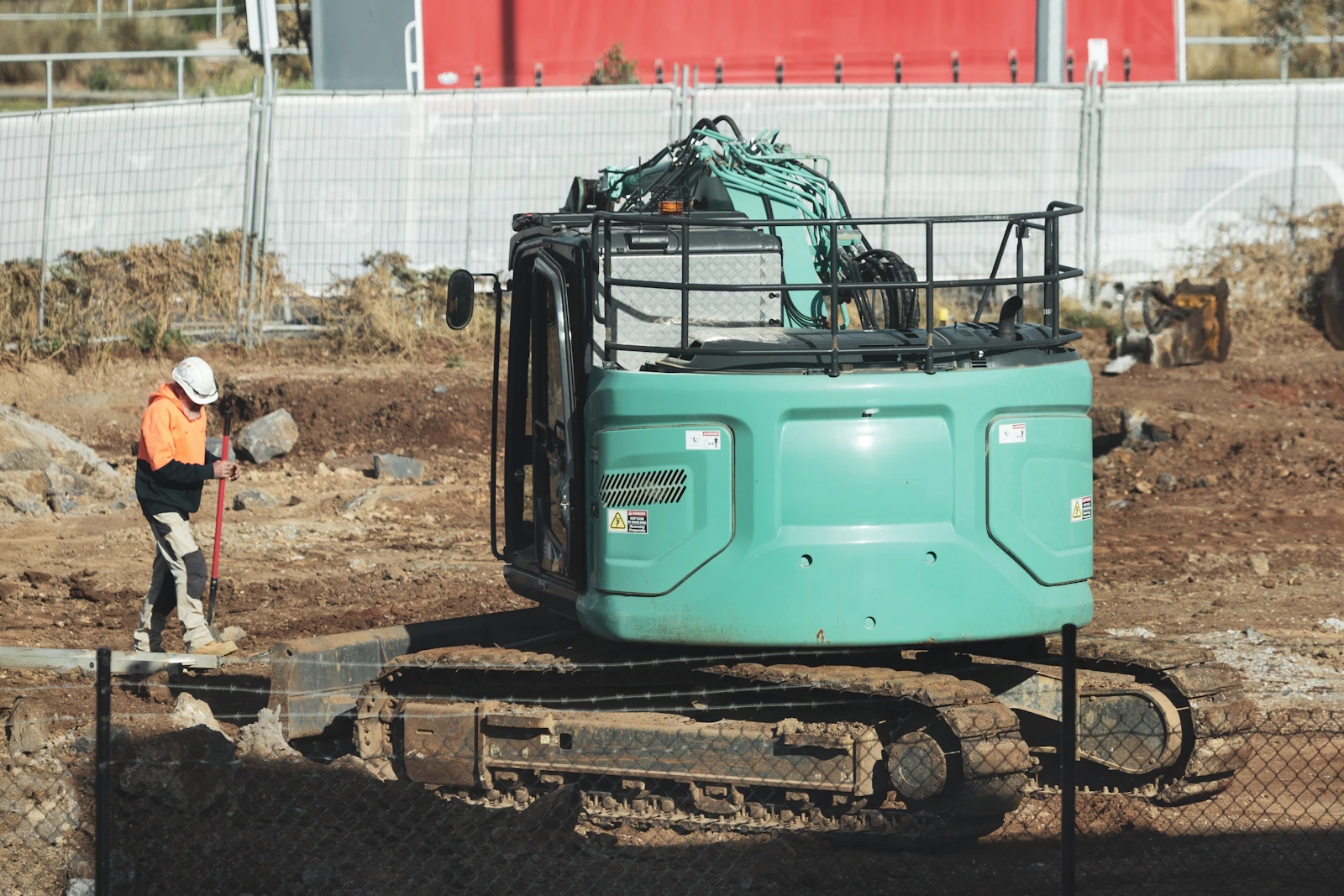
Most avoidable overages on Raleigh excavator with grapple hire come from preventable downtime and billing-rule surprises, not from the base day rate. The controls below are practical for land clearing operations where your excavator and grapple are the pacing item.
Lock in the correct size class early. If you choose a smaller excavator to save $200–$350/day but add 3–5 extra days to finish, you may lose money once you carry delivery, waiver, and the second week conversion. For grapple-driven clearing, sizing is especially sensitive to log diameter, root mass, and how far you must swing to build piles.
Schedule around weekend billing rules. Some branches are closed on weekends, which can help you if you plan a Friday afternoon delivery and a Monday morning pickup, but policies vary. For budgeting, assume conservative billing unless your contract states otherwise, and carry a weekend logistics premium of $150–$300 if you need a Saturday move.
Make the off-rent call before the cutoff. Missing the supplier’s daily cutoff (often 1:00–3:00 PM) can create an extra day charge even if the excavator is parked. Build a reminder into the superintendent’s closeout process and capture the off-rent confirmation number.
For land clearing, the grapple is only one part of the package. These add-ons frequently move the total equipment hire cost and should be requested explicitly in Raleigh quotes so the yard doesn’t substitute a non-equivalent attachment.
These terms often decide whether your Raleigh equipment hire costs land where you budgeted.
Grapple work changes the risk profile compared to bucket-only excavation. Sorting, lifting, and piling puts higher side loads on the attachment and creates more opportunities for glass damage, hose snagging, and undercarriage packing.
Seasonality and demand. Land clearing demand in the Triangle can spike during the spring and early summer build cycle. If you’re bidding work that starts in peak season, carry a contingency of 5%–10% on the base rental portion for availability-driven substitutions (for example, you get a larger machine class than planned, or you need a second move from a farther yard).
Use local branch presence to reduce logistics cost. Raleigh has access to multiple national and dealer-rental networks, which helps reduce deadhead and improves swap-out speed when a grapple is down. Branch availability is a cost factor because a same-day attachment swap can prevent an unplanned idle day that would otherwise cost $800–$1,350 in large-excavator day rent plus downstream crew standby.
Budget for compliance-driven dust and track-out controls. Even though dust control is not a “rental fee,” it affects how you plan the grapple excavator’s utilization. If you must pause to water or manage track-out, you may run fewer productive hours per paid day, increasing effective hire cost. Many contractors carry a dust-control allowance (for water, hoses, or coordination) of $50–$150/day in addition to equipment hire on sensitive Raleigh sites near occupied facilities.
Bottom line. The most reliable way to manage excavator with grapple rental pricing in Raleigh for land clearing is to quote the exact configuration (aux hydraulics, coupler, grapple type), carry realistic logistics allowances (delivery, scheduling, off-rent rules), and include a defined return-condition protocol to avoid cleaning and damage surprises.
