

Exterior trim painting is a crucial aspect of maintaining a home's curb appeal and structural integrity. For construction professionals, understanding the cost factors is essential for accurate budgeting. In 2026, the cost for exterior trim painting in San Francisco ranges from $1 to $4 per linear foot, depending on the complexity and materials used. This guide breaks down the key elements affecting these costs and offers strategies to optimize your budget.
• Frames windows and doors, protecting gaps from moisture
• Adds architectural definition that boosts resale value
• Provides the first line of defense against sun, wind, and salty coastal air common in San Francisco
The complexity of the trim profile affects labor time. More ornate designs require additional sanding, caulking, and painting. Accurate measurements are crucial for precise estimates.
Peeling paint or dry rot necessitates extensive preparation, which can consume up to 60% of the budget. Proper assessment of the surface condition is vital for cost estimation.
• Single-story bungalows may require only ladders
• Multi-story homes may need scaffolding or lifts, adding $1 to $2 per linear foot
High-quality, UV-resistant paints cost more but extend the repaint cycle. Staying updated with current supplier pricing ensures accurate material costs.
• Economy package: $1 to $4 per linear foot
• Standard package: $1 to $4 per linear foot
• Heritage package: $1 to $4 per linear foot
• Permit fees for landmark properties
• Lead abatement for pre-1978 homes
• Premiums for weekend or rush-hour work
Using AI-driven tools, construction professionals can obtain precise estimates by capturing measurements and conditions through voice or photo inputs. This technology cross-references regional labor rates and material costs to provide detailed line-item estimates.
• Schedule painting during stable weather conditions
• Combine trim and siding work to save on setup fees
• Choose lighter colors to extend repaint cycles
• Replace damaged boards before painting
• Use maintenance reminders for timely touch-ups
Acrylic finishes typically last 5–7 years. Look for signs like chalky residue or cracks to determine repainting needs. Keeping track of past projects helps predict optimal repaint windows.
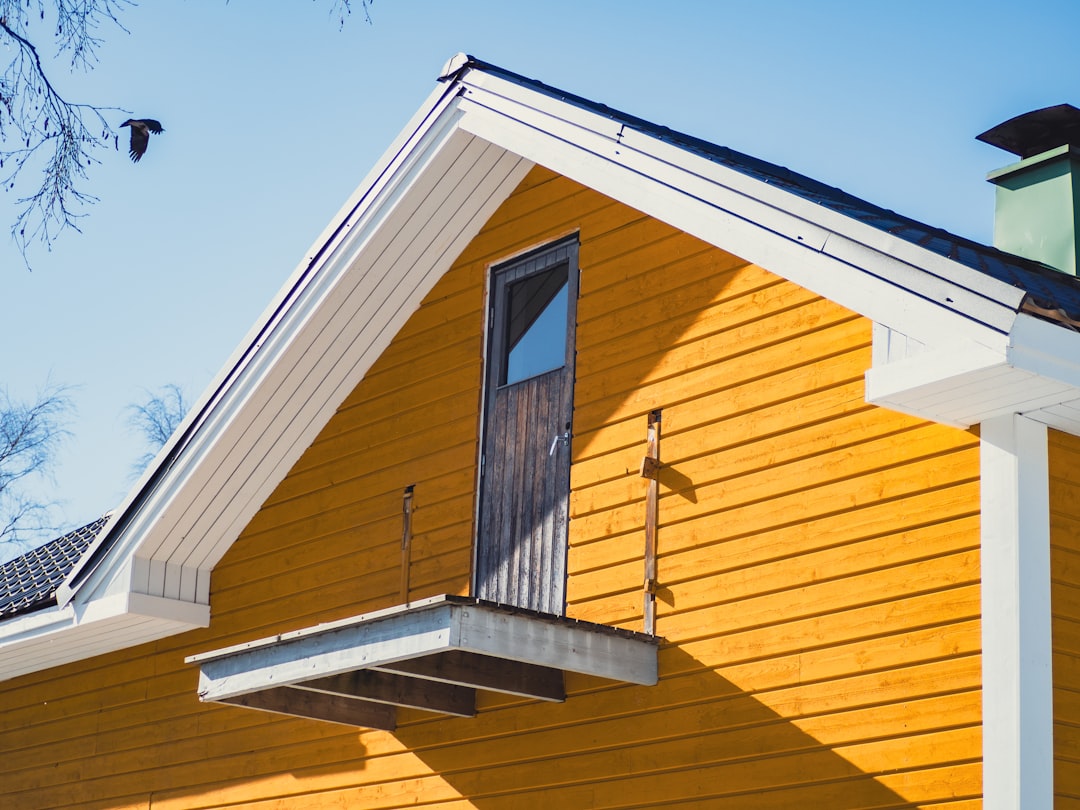
A recent project involved a three-story Victorian with 420 linear feet of intricate trim. The project required scaffolding and high-build acrylic paint, with a total cost of $7,408.
• Condition: Moderate peeling, minor dry rot
• Access: 35-foot peak requiring scaffolding
• Finish: Historic-approved high-build acrylic
1. Initial Walk-Through: Captured footage and damage notes
2. AI Estimate: Computed labor, materials, and equipment costs
3. Client Approval: Secured digital signature
4. Execution: Completed within budget and timeframe
• Early identification of issues prevented delays
• Scheduling scaffolding mid-week reduced costs
• Weather monitoring ensured proper curing
