

Create an itemized estimate for your project, with materials, labor, and quantities you can review and edit.
Create my estimateStart a 7-day free trial. Sign up, then enter your project details.
For Jacksonville flooring installation crews planning 2026 work, budget floor roller equipment hire in the range of $15–$35 per day, $45–$95 per week, and $140–$240 per month for a standard 75–100 lb linoleum/vinyl floor roller (segmented steel). Local availability is usually good through national rental networks (for example, Sunbelt’s flooring solutions footprint in Jacksonville) plus tool-rental counters and independent yards; however, all-in equipment hire cost typically moves more from rental terms (minimum hours, weekend billing, delivery windows, damage waiver) than from the base day rate itself. Jacksonville-specific site access (downtown towers, hospital corridors, and restricted delivery times) can add meaningful logistics cost even on a small tool rental.
| Vendor | Daily Rate | Weekly Rate | Review Score | Website |
|---|---|---|---|---|
| Tucker Rental (Tucker Equipment Rental & Sales) | $19 | $38 | 8 | Visit |
| DIY Rental (Jacksonville) | $20 | $50 | 9 | Visit |
| Sunbelt Rentals (Flooring Solutions – Jacksonville) | $25 | $75 | 9 | Visit |
| Herc Rentals (Flooring Solutions) | $25 | $70 | 8 | Visit |
Local price reference points (not a quote; verify at time of order): Tucker Equipment Rental and Sales (Jacksonville) shows a linoleum roller at $19 daily and $38 weekly on its rental listing. A 2026 published rental brochure from another U.S. rental yard lists a 100 lb vinyl floor roller at $15 day/weekend, $45 for 5 days, and $60 for 7 days, which is directionally consistent with what many coordinators see for this class of flooring tool. Other published rate cards commonly land between $15/day and $29/day with weekly pricing around $50–$80 and 4-week pricing around $160–$170 depending on the shop’s time bands and weekend rules.
Planning assumptions behind the 2026 ranges above: 1) standard 75–100 lb roller with handle and transport wheels (or provision to move it safely), 2) single-location use, 3) normal wear, returned clean and dry, 4) no hot-shot delivery, and 5) damage waiver either declined under a master rental agreement (MRA) or carried as a typical percentage add.
Even though a floor roller looks simple, the equipment hire cost changes with spec and job constraints. For Jacksonville flooring installation, the biggest cost drivers are typically (a) roller weight (75 lb vs 100 lb vs 150 lb), (b) segmented vs smooth drum design (segmented heads handle minor subfloor variation better), (c) whether transport wheels are included (reduces handling time and potential floor damage), and (d) whether you must pair it with a hand roller for cove base edges, corners, and under-casework. If the roller must be delivered into a controlled environment (healthcare, data center, occupied commercial space), your “small tool” equipment hire can also pick up added compliance handling (delivery windows, protective wrap, indoor route constraints) that effectively raises the cost per day.
Jacksonville-specific considerations that show up on invoices: humid coastal air and frequent rain events increase the likelihood of wet loading/unloading and the need for dry return condition documentation (avoid cleaning/oxidation disputes). Heat can compress schedules and push after-hours returns (which can trigger an extra day). And downtown/riverfront projects often require tight delivery windows that can convert a low-cost pickup rental into a higher-cost delivered rental once standby time is included.
Floor roller equipment hire is commonly billed using one or more of these structures (confirm which applies before issuing the PO):
Operational note for flooring installation: the roller is typically needed at specific “press” points (immediately after placement within adhesive working time, and sometimes a second pass). That means you can often reduce equipment hire days by scheduling roller use into a defined window rather than keeping it “just in case” for the entire install.
When budgeting floor roller equipment hire costs in Jacksonville, include allowances for common add-ons that can exceed the base day rate on short rentals:
Documentation reduces cost disputes: require at-return photos (roller head, axle area, handle/wheels, and serial/asset tag), plus a signed off-rent time stamp. This is a low-effort control that prevents paying an extra day due to processing delays.
Because a 100 lb roller is awkward to transport, Jacksonville crews often choose delivery even though the tool itself is inexpensive. Delivery can dominate total equipment hire cost if not managed:
If you’re coordinating multiple flooring installation areas across Jacksonville, it is often cheaper to rent two rollers for 1–2 days (parallel crews) than to stretch one rental across 4–5 days with idle time and repeated deliveries.
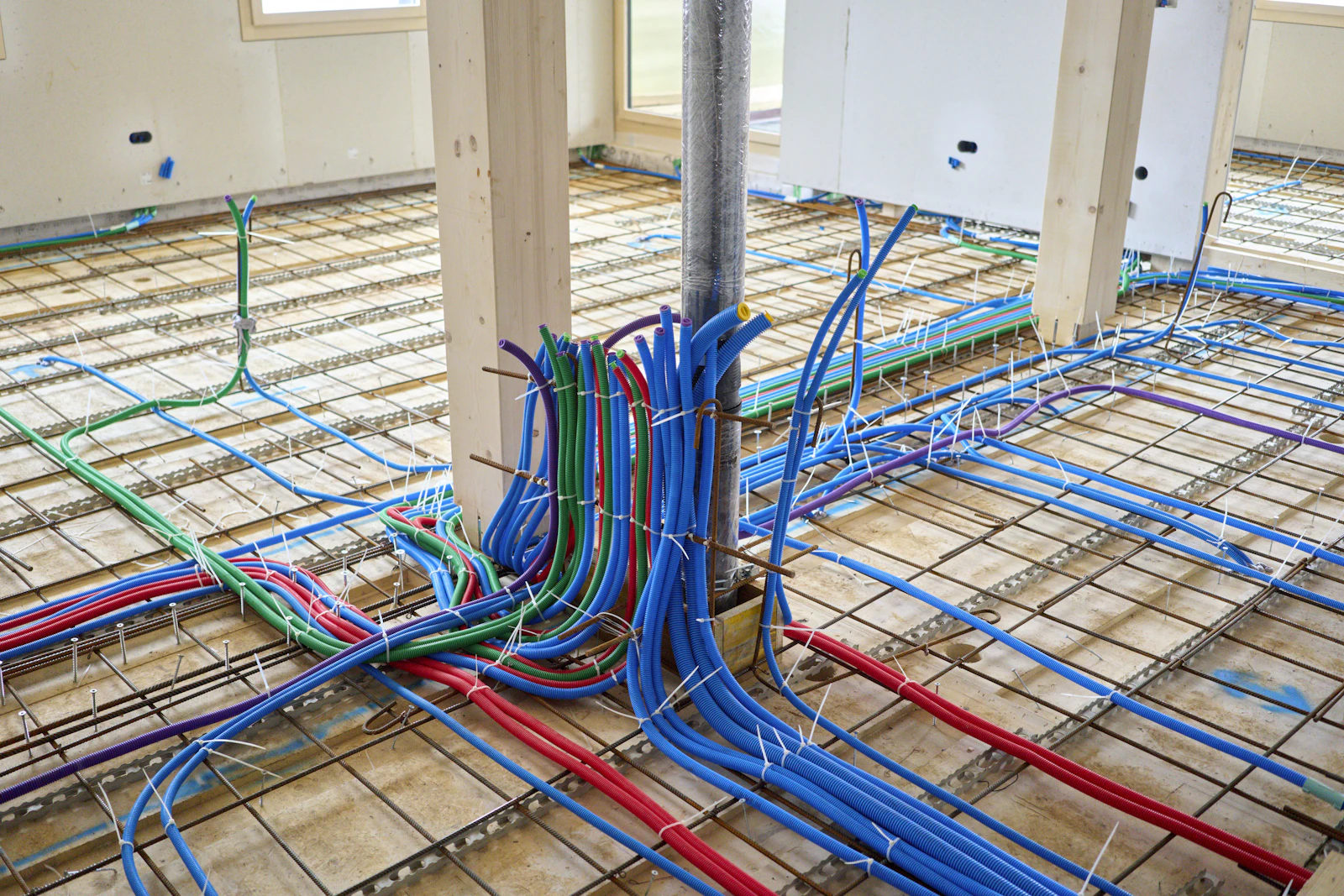
Example scenario (numbers for estimating only): A GC is sequencing sheet vinyl and LVT transitions across an occupied medical build-out on the Southside of Jacksonville. Install area is 9,000 sq ft split across 3 phases, with adhesive requiring immediate rolling and a second pass. The site only accepts deliveries 6:00–8:00 a.m., and returns must be picked up before 2:00 p.m. due to corridor controls. The coordinator rents (1) 100 lb segmented floor roller and (1) hand roller for edges for a compressed 2-day window, and adds delivery to avoid manual handling risk.
Why this matters: in this scenario, the logistics and contract adders can outweigh the roller’s day rate. That’s why Jacksonville equipment hire budgets for small flooring tools should always carry a delivery/terms allowance instead of assuming “walk-up daily rate” is the all-in cost.
Use this quick worksheet to build a defensible floor roller equipment hire estimate for Jacksonville flooring installation (no tables; line items you can paste into a bid worksheet):
Rental coordinators can reduce floor roller hire cost overruns by enforcing a simple PO-to-off-rent process:
For equipment managers, buying can beat equipment hire when usage is frequent and logistics are expensive. As a rule of thumb, if you expect to rent a floor roller for more than 8–12 day-rentals per year (or you frequently pay delivery each way), ownership may reduce cost and scheduling friction. However, ownership only pencils if you can (1) store it dry, (2) move it safely (100 lb), and (3) keep handles/wheels together to avoid replacement costs. If your Jacksonville work is mostly one-off tenant improvements, hire usually remains the lowest-risk option.
Published rate cards across multiple U.S. rental counters continue to show that 75–100 lb floor roller rentals are generally low-dollar items (often $15–$29 per day) but are frequently subject to adders and time-band structures. For Jacksonville specifically, having at least one local benchmark on file (for example, Tucker Rentals’ posted daily/weekly pricing) helps validate estimates and negotiate fair terms under a broader flooring tools package. The practical takeaway for 2026: treat floor roller equipment hire as a terms-and-logistics cost problem, not a “shop the day rate” problem—because delivery windows, off-rent cutoffs, and cleaning/condition disputes will determine whether your invoice is $40 or $240.
Continue with estimating workflows, reviewed plan quantities, or cost guides organized by topic.