

Framing is the structural backbone of every home in North Texas. Whether you’re building a contemporary infill in Bishop Arts or a sprawling ranch in Plano, accurately estimating lumber, hardware, and crew hours is crucial. Current framing costs in Dallas range from $7 to $16 per square foot, depending on materials and labor. Our platform provides precision, speed, and local expertise, delivering AI-generated estimates and invoices in real time.
• Lumber prices fluctuate weekly—sometimes daily—across the DFW market.
• Local wind-load and foundation requirements add unique hardware costs.
• City inspections demand code-compliant fasteners and bracing details.
• Labor availability shifts with the booming residential market, altering crew rates.
Missing any of these variables can erode profit margins or delay closing dates. Our solution pulls live material costs, crew rates, and schedule data instantly.
1. Open the app and start a voice session.
2. Describe the wall length, height, plate type, and sheathing while you walk the slab.
3. Our engine references ICC and Dallas local amendments to verify code compliance.
4. Within seconds, receive a line-item estimate—stud counts, top plates, anchors, nails, and crew hours included.
5. Approve with one tap to generate a branded invoice or push the data to your preferred accounting software.
This flow eliminates back-office paperwork, allowing supers and trade partners to stay focused on production.
• Lightning-fast takeoffs: Blueprint PDFs upload for automated wall framing quantities.
• Consistent margins: Live price feeds lock in vendor quotes before placing orders.
• Fewer change orders: AI cross-checks spec revisions against the original estimate.
• Integrated scheduling: Sync framing start dates with roofing, HVAC, and inspections to compress build cycles.
Climate and Code
Dallas straddles Tornado Alley, so framers must account for additional hold-downs, strap ties, and blocked wall panels. Our platform references up-to-date wind-load tables to ensure the right hardware is included from day one.
Lumber Market Volatility
Southern Yellow Pine is the dominant species in the region, but price swings of 20% or more occur during storm seasons. Our supplier API refreshes every four hours, so your estimate always reflects today’s unit cost—not last month’s average.
Labor Rates
The Dallas-Fort Worth workforce remains tight. By factoring in current trade wages, our platform helps you budget realistic crew costs and avoid schedule gaps caused by underbidding labor.
• Pre-cut studs off-site with generated cut lists to reduce waste on the slab.
• Order hardware kits bundled per elevation; the app organizes SKUs automatically.
• Use blueprint takeoffs to flag window king-stud locations for faster layout.
• Schedule rough-in walk-throughs in the app so electricians and plumbers validate chase space before sheathing.
• Track real-time variance reports; highlights over-runs on studs, sheathing, or man-hours the moment they occur.
A local custom builder uploaded plans and initiated a voice estimate while touring the lot. In under 12 minutes the system produced:
• 2,140 linear feet of 2×6 exterior walls
• 1,860 linear feet of 2×4 interior walls
• 27 engineered beams with hardware
• Labor schedule synced with the roofer’s availability
The framing crew hit site four weeks later and finished two days ahead of schedule. Variance from estimate to actual lumber usage: 1.8%.
1. Book a free demo at CountBricks.com.
2. Upload your latest residential plans.
3. Walk your slab, speak your scope, and let our AI handle the math.
From starter homes to luxury estates, our platform keeps Dallas builders on time, on budget, and on code—every single frame.
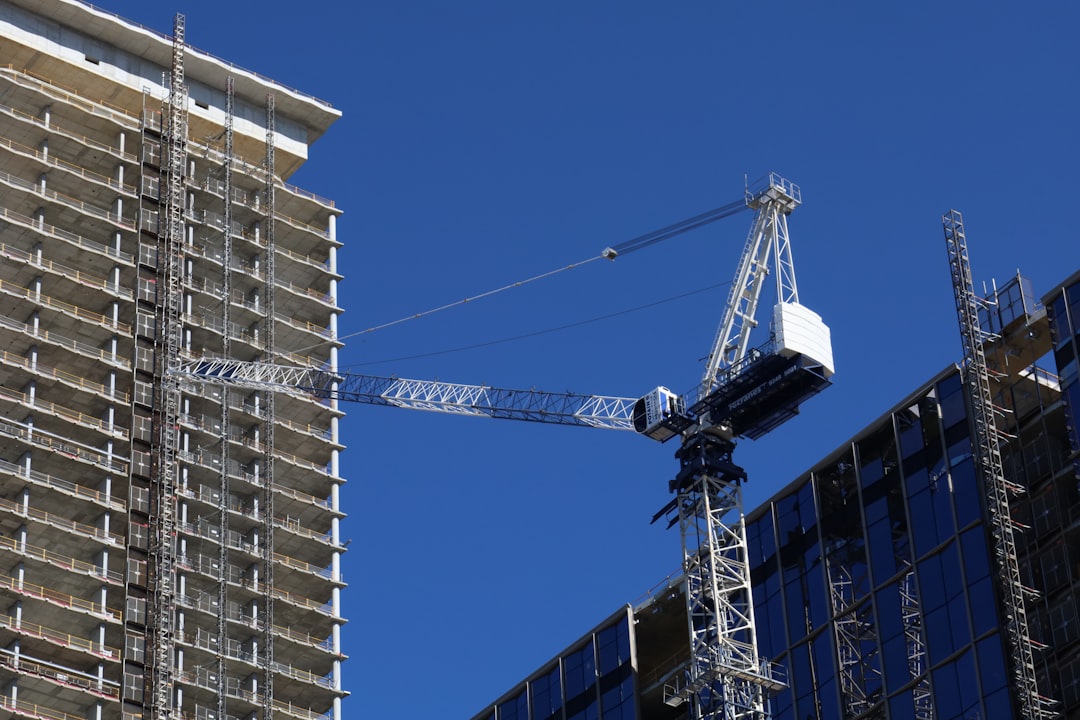
Interior walls often get less attention than exterior shear panels, yet they dictate drywall waste, MEP pathways, and overall acoustics. Our platform gives Dallas builders an edge by breaking down every interior frame component in granular detail.
• 62% Lumber (studs, plates, blocking)
• 18% Fasteners and adhesives
• 15% Labor
• 5% Miscellaneous hardware and layout consumables
Because interior walls outnumber exterior walls in linear footage, even a 3% material overage can wipe out thousands of dollars. Our platform combats this by assigning SKU-level waste factors to each wall type. When you upload your plan set, the AI tags wet walls, chase walls, and non-bearing partitions, then applies the correct stud spacing and header details automatically.
During a recent 25-unit townhome project in Uptown, our platform identified that moving from 16-inch to 24-inch stud spacing on select non-bearing walls would save 4,100 studs without compromising code. The builder re-routed savings into upgraded insulation, boosting HERS ratings and market appeal.
• Use variance alerts to catch framing crews who over-cut plates or overlook nail pattern specs.
• Generate room-by-room wall reports; electricians love knowing stud locations before drill day.
• Leverage the platform’s change-order module to update homeowner layout tweaks without derailing the schedule.
From the first top plate to the final drywall inspection, our platform equips Dallas teams with data-driven framing workflows that protect budgets and accelerate closings. Book your personalized walkthrough at CountBricks.com and frame with confidence.
