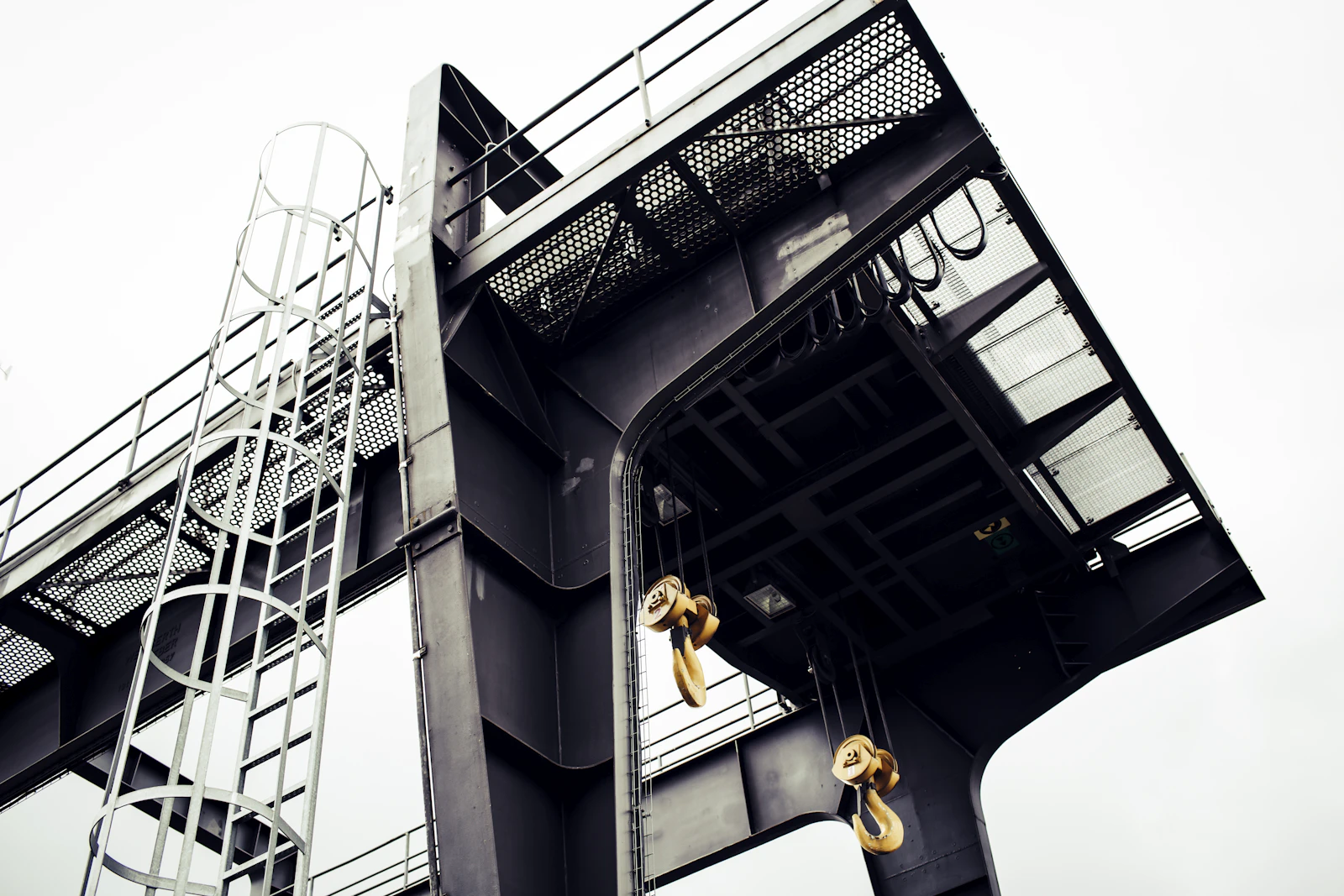
For San Antonio generator installation work in 2026, a portable gantry lift (often rented as a “gantry crane”) typically budgets in the $125–$225/day, $395–$750/week, and $950–$2,150/month planning range depending on rated capacity (2-ton vs 3–5 ton), span, adjustable height, material (aluminum vs steel), and whether a chain hoist/trolley is included. Published reference rates in the broader rental market show 2-ton class gantries commonly advertised around $116–$145/day, $360–$435/week, and $900–$1,295/4-weeks, with some listings calling out damage-waiver add-ons and “4-week” billing conventions rather than true calendar months. In San Antonio, rental coordinators often source these through national rental houses with material-handling fleets plus local industrial tool/rigging suppliers—so the real cost hinges on accessories, delivery windows, off-rent rules, and indoor handling constraints more than the base day rate.
| Vendor |
Daily Rate |
Weekly Rate |
Review Score |
Website |
| United Rentals |
$223 |
$493 |
9 |
Visit |
| Sunbelt Rentals |
$505 |
$589 |
9 |
Visit |
| Herc Rentals |
$373 |
$959 |
8 |
Visit |
Gantry Lift Rental Rates San Antonio 2026
Assumptions used for these 2026 planning ranges: portable/knockdown gantry lift for material handling (not a permanent installed overhead crane), typically adjustable height with a manual push trolley track; capacity shown is the gantry’s rated capacity (your hoist/trolley/slings must match); rates shown are “bare equipment” before taxes/fees; and generator installation may require inside placement and dust control that adds handling time and accessory rentals.
2-ton (4,000–4,400 lb) portable gantry lift—typical San Antonio budget range:
- Daily: $125–$225/day (some markets advertise $116–$145/day as a baseline reference).
- Weekly: $395–$750/week (baseline references commonly show $360–$435/week).
- Monthly / 4-week: $950–$2,150 per month equivalent (baseline references commonly show ~$900–$1,295 per 4-weeks).
3–5 ton portable gantry lift—typical San Antonio budget range (less commonly stocked):
- Daily: $250–$450/day
- Weekly: $850–$1,500/week
- Monthly / 4-week: $2,400–$4,200/4-weeks
Capacity reality check for generator installation: a 2-ton gantry is often appropriate for positioning smaller standby units, subassemblies, mufflers, radiators, or transfer components. For larger commercial/industrial generators, the limiting factor is rarely the base rate—it’s capacity, headroom, and floor loading. If your pick weight is above 4,000 lb (or your lift plan requires a safety factor that drives a bigger frame), budgeting should pivot to a higher-capacity gantry or a mobile crane/telehandler approach.
What Drives Gantry Lift Equipment Hire Cost on Generator Installation?
Rental coordinators usually see the final gantry lift equipment hire cost shift due to operational requirements rather than the published base rate:
- Span and leg clearance: A 12 ft span frame is typically cheaper than a 16–20 ft frame, but generator skids and housekeeping pads can force a wider stance that pushes you into specialty frames.
- Height adjustments and headroom: Mechanical rooms, canopies, and door headers can cap your usable hook height. Adjustable-height frames help, but a “low headroom” need can increase sourcing time and delivery coordination.
- Hoist included vs. not included: Some rental listings explicitly state a chain hoist is not included, while other listings include a 2-ton chain hoist in the rental. This single scope detail can swing your weekly spend by a meaningful percentage.
- Indoor handling rules: Hospitals, data rooms, and finished interiors commonly require floor protection (Ram Board/ply) and clean wheels, adding cleaning/handling charges and extra labor hours.
- Assembly labor expectations: A gantry may arrive knockdown. If you need “set-and-ready” service, expect labor line items instead of a simple dock pickup.
Hidden-Fee Breakdown for Gantry Lift Equipment Hire
For 2026 budgeting in San Antonio, the “all-in” cost typically includes several predictable adders. These vary by supplier policy, but coordinators should carry allowances for the following:
- Damage waiver / rental protection: commonly 10%–15% of rental charges; some published references show 9.9% damage waiver.
- Delivery and pickup (local): $150–$300 each way within a typical 15–25 mile metro radius; add $3.50–$6.00 per mile outside the standard zone.
- Minimum transport charge: $120–$200 minimum even if mileage is short (common when routing a flatbed or box truck with liftgate).
- Inside delivery / carting to final location: $95–$175 (or $120–$160/hr in 1-hour minimum blocks) if the vendor provides labor to move components from dock to mechanical room.
- After-hours / weekend delivery window: $175–$350 surcharge for Saturday delivery, badging delays, or delivery/pickup outside normal cutoff times.
- Late return / holdover: budget 1/5 of weekly rate per extra day or $50–$125/day depending on contract terms.
- Cleaning fee: $95–$250 if returned with concrete slurry, mud, paint overspray, or adhesive residue on casters.
- Missing/damaged components: allowances like $25–$45 per missing pin/bolt kit and $150–$350 for a damaged caster assembly can protect the closeout.
Accessories and Rigging Add-Ons That Commonly Apply
A gantry lift rental rarely stands alone on a generator installation. The following equipment hire adders are common in San Antonio field conditions where access, headroom, and floor protection matter:
- Chain hoist (manual) 1–2 ton: $35–$65/day or $90–$175/week depending on lift height (e.g., 10–25 ft chain).
- Geared trolley / push trolley (rated): $15–$35/day or $45–$95/week.
- Synthetic slings: $8–$20 per sling/day (or sold), with common “missing sling” backcharges of $30–$60 each.
- Shackles (screw pin / bolt type): $6–$18 each/day (or sold). For rentals, add a $25–$50 each loss/damage allowance.
- Spreader bar: $45–$120/day where generator skid pick points require load distribution.
- Machinery skates (for final positioning): $55–$140/day depending on capacity; many installs need these more than extra gantry capacity.
- Toe jack set (for cribbing/roll-in): $65–$160/day.
- Floor protection package: carry $150–$450 (ply/ram board/tape) if the GC expects the rental coordinator to include it.
Delivery, Site Access, And Off-Rent Rules That Change Cost in San Antonio
San Antonio logistics can influence equipment hire cost outcomes materially—especially when the work term is generator installation and the equipment must reach a specific pad or indoor room. Cost-impacting constraints to confirm on the PO and delivery ticket include:
- Delivery cutoffs and off-rent timing: Many suppliers require off-rent notice before a morning cutoff (often 9:00–10:00 AM) to stop billing for the next day. Miss the cutoff and you may buy an extra day even if the gear is idle.
- Downtown access and loading restrictions: Central San Antonio sites can require smaller vehicles, staged deliveries, or specific dock appointment windows—driving inside delivery/cartage charges.
- Base/security protocols: Work near secured facilities can create waiting time. If a driver sits for badge clearance, some suppliers bill detention at $75–$125/hr after a free window.
- Heat and asphalt performance: Summer heat can soften asphalt; if your gantry is rolling on asphalt rather than concrete, consider wider wheel/floor protection and expect slower moves (more labor hours if vendor-assisted).
- Return condition documentation: Require pickup photos of each frame part, beam, trolley, pins, and casters. This reduces missing-component backcharges at closeout.
Example: One-Week Gantry Lift Hire for a Rooftop-Adjacent Generator Room
Scenario constraints: A 2,800 lb component needs to be lifted and moved laterally 8 ft inside a mechanical room with a 9 ft-6 in ceiling; access is through a 6 ft double door; no forklift access inside; work is scheduled Monday–Thursday, with contingency into Friday.
Budget example (no tables; typical allowances):
- 2-ton portable gantry lift equipment hire: $525/week (planning number within the $395–$750/week range).
- 2-ton chain hoist: $140/week.
- Trolley (rated): $65/week.
- Delivery + pickup (standard metro): $220 each way = $440.
- Inside delivery/cartage (dock to room, 1-hour minimum): $145.
- Damage waiver at 12% on rental items: ~$88 (applied to $730 of rental charges).
- Floor protection allowance: $250.
- Closeout contingency for cleaning/missing hardware: $150.
Example total planning budget: approximately $1,858 before tax (and before any contractor labor). The biggest swing factors are delivery/inside handling and whether the hoist/trolley are already in your kit.
Budget Worksheet (Gantry Lift Equipment Hire)
- Gantry lift rental (2-ton): ____ days at $____/day (or ____ weeks at $____/week)
- Chain hoist (rated) rental: ____ days/weeks at $____
- Trolley rental: ____ days/weeks at $____
- Rigging accessories allowance (slings/shackles/spreader): $120–$450
- Delivery charge allowance: $150–$300
- Pickup charge allowance: $150–$300
- Out-of-zone mileage allowance: ____ miles at $3.50–$6.00/mi
- Inside delivery/cartage allowance: $95–$175 (or $120–$160/hr)
- Damage waiver allowance: 10%–15% of rental
- Weekend/after-hours surcharge allowance: $175–$350
- Cleaning/return condition allowance: $95–$250
- Loss/damage contingency (pins/casters/beam hardware): $150–$500
Rental Order Checklist
- PO includes: gantry capacity, beam span, max/min height, caster type, and whether trolley is included
- Confirm whether chain hoist is included or separate (and confirm chain length)
- Specify delivery address + exact on-site contact + phone, plus dock appointment requirements
- State required delivery window and any “must arrive by” cutoff (avoid standby/detention)
- Ask for off-rent cutoff time (e.g., 9:00–10:00 AM) and required notice method (email/portal/call)
- Confirm who assembles/disassembles; if vendor does it, confirm hourly rate and minimum hours
- Require pre-delivery condition photos and pickup condition photos (reduce closeout disputes)
- Return requirements: cleaned casters, all pins/hardware counted, beam/trolley tagged, slings accounted for
- Document jobsite constraints: door widths, hallway turns, floor finish protection, and overhead obstructions
Practical takeaway for San Antonio equipment managers: treat gantry lift hire as a “system” rental (frame + hoist + trolley + rigging + handling). The lowest day rate is rarely the lowest final invoice on generator installation work.
How to Decide Between Gantry Lift Hire and a Mobile Crane for Generator Installation
Cost control starts with matching the lifting method to the actual pick plan. A gantry lift is cost-effective when you can roll the load on a controlled surface and your pick weights are within the frame’s rated capacity with adequate headroom. However, if the generator installation requires setting a skid over a wall, lifting from a truck, or landing onto an elevated housekeeping pad with limited roll path, a mobile crane or boom truck can reduce schedule risk—even if the day rate is higher.
- Gantry lift equipment hire commonly wins when: indoor moves, short vertical lift, repeated small picks, and limited outdoor staging.
- Crane hire can win when: you need a single critical pick, the path is obstructed, or you must lift from delivery truck to final pad without intermediate handling.
If you do compare options, compare all-in costs: crane minimum hours (often an 8-hour day or 3–4 hour minimum), operator, rigging crew, traffic control, and mobilization/demobilization—versus gantry delivery/inside handling, accessory rentals, and added labor time to assemble/move/disassemble.
Cost Controls That Matter in 2026: Billing Conventions, Weekend Rules, and Off-Rent Timing
Two rentals with the same “weekly rate” can invoice differently depending on billing rules. For gantry lift equipment hire costs, tighten these items before you release the PO:
- 4-week vs monthly billing: Many suppliers price “month” as 4 weeks (28 days). If your project schedule is calendar-month based, carry a buffer of +2–3 days per month to avoid holdover billing.
- Weekend billing: Some branches bill Saturday/Sunday as full days; others offer a weekend rate when picked up Friday and returned Monday. Carry a 15%–25% weekend premium allowance if your schedule is uncertain.
- Off-rent procedure: Require written off-rent confirmation. If you off-rent after cutoff (commonly 9:00–10:00 AM), budget one extra day.
- Standby/detention risk: If your site requires an escort or badge check, confirm driver wait-time policy; after a free window, detention can run $75–$125/hr.
Generator Installation-Specific Adders: Floor Protection, Cleanliness, and Final Positioning Tools
San Antonio generator installation work often happens in finished facilities (healthcare, education, municipal), where indoor protection and cleanliness become real line items. Typical cost adders that show up on equipment hire closeout include:
- Non-marking caster requirement: if standard casters are not acceptable, a specialty option can add $20–$60/day or a one-time upcharge.
- Dust-control consumables: carry $35–$90 for plastic, tape, and entry mats if you are responsible for the means and methods.
- Return-condition cleaning: avoid the $95–$250 cleaning fee by specifying “wipe-down and caster cleaning” in your closeout plan and documenting condition at pickup.
- Final positioning equipment hire: machinery skates ($55–$140/day) and toe jacks ($65–$160/day) can be the difference between a 2-hour set and a 2-day struggle—often cheaper than upsizing the gantry.
Risk and Compliance Items That Can Change Hire Cost
Even when the equipment rates look straightforward, compliance requirements can add cost (or prevent delays that cost more):
- Rated capacities and compatibility: confirm gantry rating, hoist rating, trolley rating, and rigging WLL all align to the lift plan; mismatches can force last-minute swaps and expedited delivery charges.
- Training and site rules: some sites require documented operator/rigging competency; if you must bring in a vendor for setup or a qualified rigger, carry $120–$185/hr with a 2-hour minimum.
- Documentation package: request serial/asset ID on the delivery ticket and keep component counts (A-frames, beam, trolley, pin kits). Missing-part disputes are one of the most common sources of unexpected cost.
2026 Planning Guidance for San Antonio: Contingencies That Keep the Invoice Predictable
For 2026 budgeting, a practical approach is to set the base gantry lift hire using the daily/weekly/monthly ranges, then add job-specific allowances that reflect how San Antonio projects actually close out:
- Schedule contingency: carry +1 day per week of rental exposure when the generator start-up date is uncertain (commissioning delays can keep the gantry on site).
- Logistics contingency: carry $200–$400 for re-delivery/re-pickup risk if access is blocked, keys are not available, or escorts are delayed.
- Accessory contingency: carry $150–$300 for last-minute rigging changes (extra slings, spreader, skates) when field conditions differ from drawings.
Bottom line: The controllable portion of gantry lift equipment hire costs is usually not the advertised rate—it is the coordination: confirm inclusions (hoist/trolley), lock delivery windows, document off-rent, and treat indoor handling as a scoped cost line for generator installation.