

Understanding the current gutter cleaning costs is crucial for construction professionals to provide accurate estimates and schedule maintenance efficiently. On average, gutter cleaning costs range from $0.50 to $2.50 per linear foot, depending on factors like roof height and debris level. For a 200-linear-foot system, this translates to $150 to $500. Staying informed about these costs helps avoid overestimating and ensures competitive pricing.
Single-story homes with straightforward access typically cost $0.50 – $1.50 per linear foot. Two-story properties with steeper pitches range from $0.75 – $2.00 per linear foot due to additional ladder setups and safety gear. CountBricks' live database updates every 24 hours, ensuring pricing reflects current regional labor trends and material mark-ups.
DIY Costs
Homeowners typically budget $50–$120 for a DIY session, including ladder rental, gloves, debris bags, and possible gutter scoop purchases. Hidden expenses may include lost personal time, higher injury risk, and disposal fees.
Professional Costs
Hiring a professional averages $150–$300, offering crew efficiency, insured labor, and preventive inspections. Professional maintenance can reduce secondary water damage claims by 38%.
In snow-prone regions, autumn demand spikes once leaves start to fall, increasing costs by 10%-15%. Midsummer offers lower rates. AI tools can flag off-peak discounts and suggest ideal booking windows.
Bundling services can lower your overall invoice by 12% on average.
For a two-story, 220-foot system with maple leaves, labor costs $1.00 per linear foot, totaling $330. Equipment and debris hauling add $70, making the total $400. Adding gutter guard installation at $7.00 per foot can eliminate future clogs.
Plan effectively with accurate, real-time estimates and professional recommendations. Create your free account at CountBricks.com today.
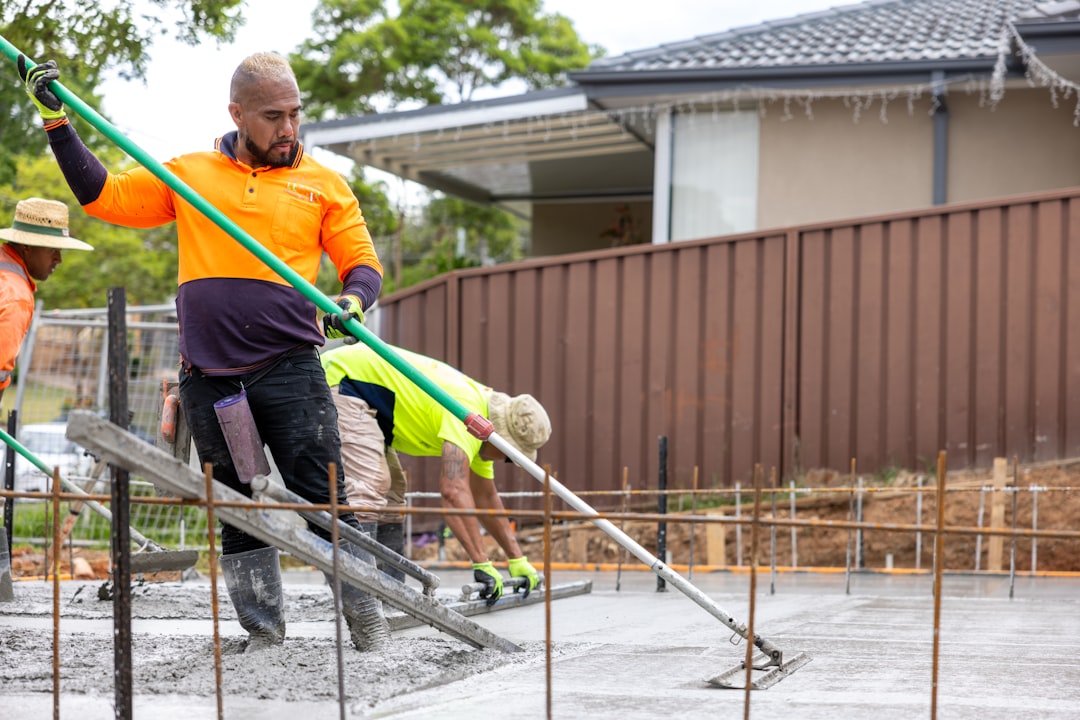
The Reynolds family reduced their gutter maintenance costs from $900 to $495 annually by enrolling in a Preventive Maintenance Plan. Smart scheduling, equipment optimization, and guard installation contributed to these savings.
1. Smart Scheduling: Adjusting cleaning times reduced urgency fees by 12%.
2. Equipment Optimization: A vacuum-assist system reduced labor hours, saving $180 per visit.
3. Guard Installation: Stainless-mesh guards reduced cleaning frequency, with a payback period of 1.8 years.
4. Continuous Monitoring: Maintenance logs provided insurance discounts.
Outcome
Total yearly spend dropped significantly, and water-related repairs were eliminated. The savings are now allocated towards a deck renovation.
For similar results, visit CountBricks.com.
