

Professional Guide to Gym Floor Refinishing Costs

Profile image of author
James Miller
Head of Sales

Understanding Gym Floor Refinishing Costs for Trade Professionals

Refinishing a gym floor in a residential setting involves several factors that influence the overall cost. For construction trade professionals, understanding these elements is crucial for accurate budgeting and project planning. On average, refinishing a 400 sq ft hardwood gym floor costs between $3.25 and $6.00 per square foot, totaling approximately $1,300 – $2,400. This guide provides a detailed breakdown of costs and strategies to manage expenses effectively.

Average Residential Gym Floor Refinishing Cost

In most single-family homes, the cost of refinishing a gym floor varies based on the scope of work:

  • Light buff and re-coat: $1.00 – $2.00 per sq ft
  • Full sand, stain, and poly finish: $3.25 – $6.00 per sq ft
  • Board replacement and custom court lines: $7.00 – $10.00 per sq ft

Key Cost Drivers for Gym Floor Refinishing

1. Floor Condition

Minor surface scratches may only require a screen and re-coat, reducing labor costs. However, deep gouges necessitate full sanding to bare wood.

2. Wood Species

Maple and white oak are popular choices for their durability. Harder woods require additional sanding, increasing labor by 10 – 15%.

3. Finish Choice

  • Water-based poly: fast cure, low odor, $45-$60 per gallon
  • Oil-based poly: warm tone, longer life, $30-$45 per gallon
  • High-performance conversion varnish: commercial-grade durability, $80-$110 per gallon

4. Logo or Court Striping

Adding custom designs like basketball key lines can add $250 to $1,000 depending on complexity.

5. Furniture and Equipment Moving

Handling fees apply if equipment remains in the room, typically 1 labor hour per 100 lb item.

Breaking Down the Estimate Process

Using advanced AI tools, professionals can capture square footage, wood species, finish type, and special graphics in real time. This allows for a transparent, itemized budget that reflects regional labor rates and material costs.

Step-by-Step Process

  • Open the mobile app and start a voice session.
  • Walk the gym, noting dimensions and damage.
  • The AI recommends sanding depth and finishes.
  • Receive an itemized cost sheet and PDF quote within 90 seconds.
  • Approve the quote and schedule crews directly.

Cost-Saving Strategies for Professionals

  • Refinish during seasonal sales for discounts on materials.
  • Opt for water-based finishes to reduce drying time and labor costs.
  • Combine board replacement with sanding to minimize mobilization.
  • Use low-VOC sealers to avoid additional accommodation costs.

Frequently Asked Questions

How long will the gym be out of service?

Typically, a 400 sq ft gym requires 3 days for refinishing. Water-based systems can reduce this to 48 hours.

Is dust containment included?

Standard specifications include HEPA vacuums and zip-wall containment to keep adjacent areas clean.

Can I add rubber inlays?

Yes, rubber inlays can be added for $4-$6 per linear foot.

Case Study: Maple Gym Revival

A recent project involved refinishing a 500 sq ft maple gym, resulting in a $2,650 estimate for a full sand, water-based poly, and half-court lines. The project was completed in 48 hours, saving 12% compared to regional averages.

Next Steps

For precise gym floor refinishing costs, start a free voice estimate or consult with a specialist today.
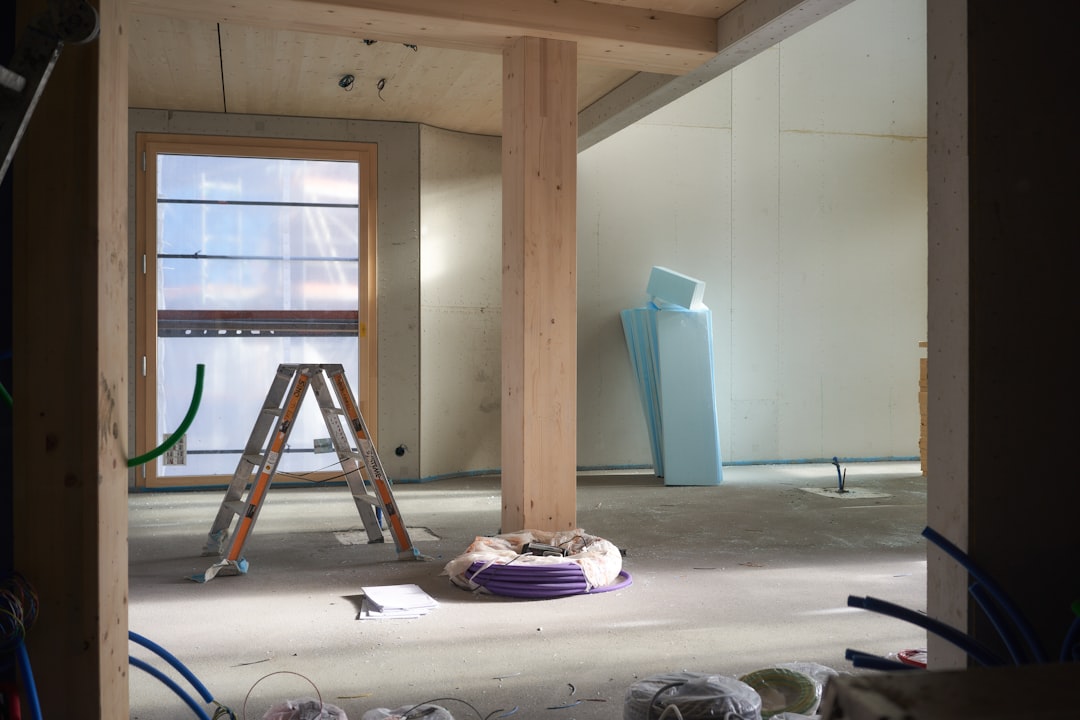
Our AI app can generate costed estimates in seconds.

CountBricks gym floor refinishing cost guide for homes

Enhancing Gym Floor Performance Beyond Cost

While cost is a significant factor, enhancing the performance and safety of gym floors is equally important. Construction professionals can add value-driven enhancements to extend the life of sports surfaces.

Popular Add-Ons

  • Shock-absorbing underlayment: Reduces joint stress by 20%, costing $1.25 – $1.75 per sq ft.
  • UV-blocking topcoat: Protects against fading, adding $0.35 per sq ft.
  • Integrated power grommets: Conceals cords, costing $150 per grommet.

Pro Tips for Durability

  • Use felt sliders under weights to prevent dents.
  • Maintain 35 – 55% relative humidity to prevent cupping.
  • Recoat high-traffic areas every 18 months.

Quality Assurance Checklist

  • Moisture testing before sanding.
  • Logged abrasive sequences.
  • Verified finish film thickness.

All data syncs to your portal for maintenance planning.

Get a Smarter Estimate

For accurate estimates and flawless finishes, book a virtual walkthrough today.
