

Heated driveway installations can range from $12 to $28 per square foot, depending on the system type and site specifics. For a typical 1,000 sq ft driveway, expect costs between $12,000 and $22,400. These systems offer a significant return on investment by reducing labor and material costs associated with snow removal.
Ice-slicked concrete, endless shoveling, and surprise salt stains are headaches every construction professional knows. Heated driveway installation eliminates those winter woes by melting snow the moment it lands. Using smart controls and energy-efficient coils, the surface stays clear, safe, and curb-appeal ready all season. This convenience is brought to life with end-to-end construction expertise, AI-powered estimating, and a streamlined build process.
• Hydronic systems circulate a water-glycol blend through PEX tubing beneath the driveway. A high-efficiency boiler heats the fluid, delivering even warmth across the slab.
• Electric systems rely on durable resistance cables embedded in concrete or asphalt. Low-voltage sensors activate the grid only when moisture and freezing temps are detected.
Both options are designed after analyzing site slope, power availability, and energy goals.
Modern controls integrate with weather apps, allowing pre-heat cycles before a storm. Programmers sync the thermostat with home automation hubs, giving residents mobile control and real-time energy insights.
1. Voice Consultation: Speak with an estimator via an AI call platform. While you describe goals, the software generates preliminary takeoffs, material lists, and cost ranges in seconds.
2. On-Site Assessment: The construction team verifies dimensions, drainage, and power sources. Laser scans feed directly into pricing tools for refined estimates.
3. Sub-Base Preparation: Crews excavate to frost depth, install geotextile fabric, and compact a gravel base for even heat dispersion and slab stability.
4. Tubing or Cable Layout: Certified technicians secure PEX loops or electric mats according to the engineered plan. Spacing, anchor type, and loop length are documented in the project portal.
5. Sensor and Control Wiring: Moisture and temperature probes are routed into the control panel location, ensuring automatic activation only when needed.
6. Concrete or Asphalt Pour: Finishers place a high-performance mix designed for thermal cycling. Expansion joints are sealed to prevent water intrusion.
7. Commissioning & Training: After cure, pressure-test hydronic loops or ohm-test cables, then walk homeowners through app setup and maintenance best practices.
• Driveway size and thickness directly influence tubing or cable length and concrete volume.
• Hydronic systems have higher upfront hardware costs yet lower long-term energy rates when tied to high-efficiency boilers.
• Electrical capacity upgrades may be required; permitting and utility coordination are essential.
Using AI estimators, each variable appears in a transparent line item. Professionals can toggle finishes, control packages, and energy sources to see instant price updates before signing.
Voice-to-quote workflows shave days off traditional bidding. Accurate in minutes means construction starts sooner and winter downtime shrinks.
Masons specialize in curb-facing projects where aesthetics matter. Edge treatments, color integrals, and decorative saw cuts integrate seamlessly with the heating grid.
• Design engineering under one roof
• Permit filing and inspections handled by project admins
• Post-installation support with 24/7 monitoring
By melting snow on demand, heated driveways reduce chemical runoff from salt and sand. Optimized sensor logic runs only when conditions require, lowering annual operating costs up to 30% compared with always-on systems.
• Annual glycol check or cable resistance test keeps warranties intact
• Seal joints every two years to block de-icing chemicals from infiltrating the slab
• Monitor energy reports via the homeowner dashboard to spot irregularities early
Discover how easy winter can be. Schedule a voice consultation and receive an AI-generated estimate in minutes. From blueprint takeoff to final walkthrough, a heated driveway installation elevates comfort and property value.
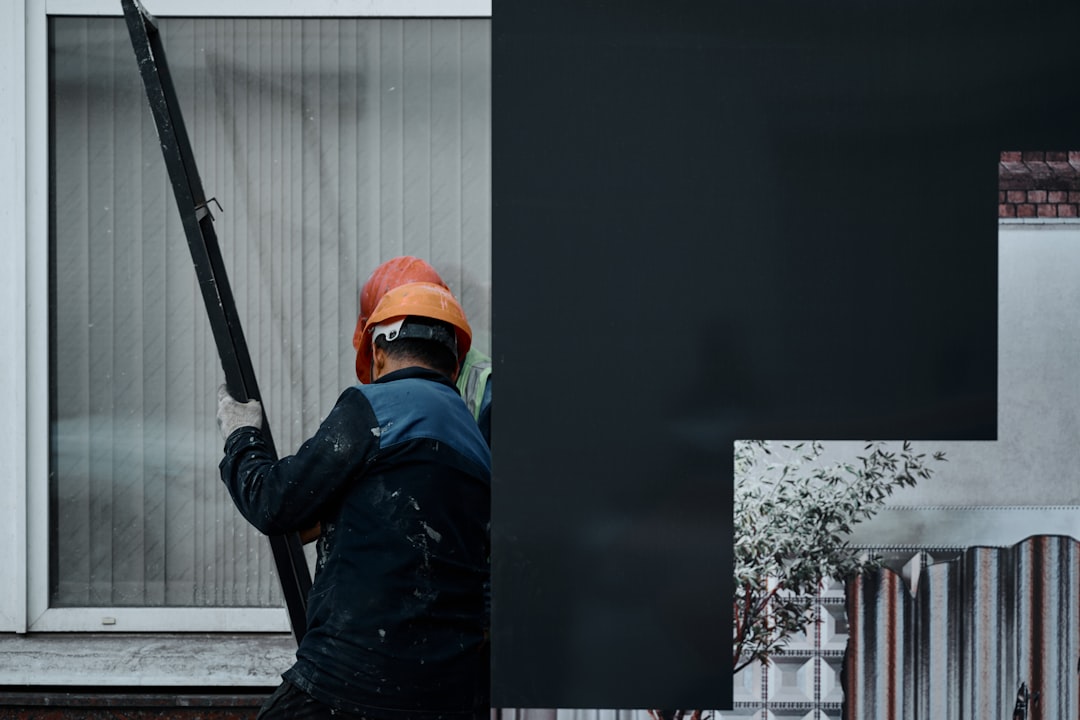
When the Carson family grew tired of predawn snow removal duty, they turned to professionals for a turnkey heated driveway solution. An AI estimator delivered a voice-generated quote 11 minutes after the initial call. The project covered 900 sq ft of stamped concrete, integrated with an energy-efficient hydronic loop.
• 18% cost reduction compared with traditional bidding thanks to real-time material pricing
• Installation completed in four working days—two days faster than the neighborhood average
• Mobile app alerts allow the Carsons to preheat the drive from their phone while returning from ski trips
• Plan electrical or boiler upgrades early to avoid mid-project delays
• Choose a concrete mix with air entrainment for freeze-thaw durability
• Incorporate perimeter insulation to keep heat where it belongs
• Opt for Wi-Fi controls to monitor energy use and adjust settings remotely
• Partner with a single contractor for design, permits, and build to streamline accountability
1. Explore system options
2. Upload an existing driveway sketch or request a free laser scan
3. Book a 15-minute voice consultation and receive an instant AI estimate
4. Approve the digital proposal and select a start date from the live scheduling calendar
Winter arrives every year—so does the chance to make your life easier. Turn that opportunity into a flawless heated driveway installation that boosts safety, resale value, and daily comfort.
