

The cost of roof trusses can represent up to 12% of a new home’s structural budget. Current prices range from $7,500–$35,000 depending on home size and complexity. Because lumber prices, labor availability, and span requirements shift month to month, 'average' numbers rarely stay average for long. This guide explains what drives house trusses prices, how to keep bids competitive, and where advanced estimating tools can cut weeks from your schedule.
Scissor, raised-heel, or attic trusses introduce added webbing, plate counts, and engineering time. A simple fink truss might run $3–$5 per board foot per board foot, while an attic truss of the same span often doubles that number.
• Southern yellow pine remains the most common, but hurricane-prone regions may require No. 1 dense lumber, raising board-foot cost by 18–30%
• Engineered wood (LVL or LSL top chords) can add strength at a premium of $3.50–$9.25 per linear foot per linear foot
Longer clear spans mean deeper trusses, heavier webs, and additional bracing hardware. A 24-foot span at 6:12 pitch may price out at $100–$300 per truss per truss; stretch that to 40 ft at 10:12 and you can exceed $500 per truss.
While trusses are factory-built, on-site setting costs vary:
• Urban markets with union rigging crews can run $25–$75 per hour
• Rural areas with non-union carpenters average $25–$75 per hour
• Crane rental fluctuates $300–$1,000 per day depending on geography
Oversized loads travel on specialty trailers with escort fees. Tight infill lots can require a larger crane or multiple delivery phases.
Because every plan is unique, think in ranges:
• 1,200–1,600 sq ft ranch: $6,460–$8,500 for materials and setting
• 2,000–2,400 sq ft two-story: $7,500–$35,000
• 3,000 sq ft custom with steep pitch: $7,500–$35,000
1. Optimize Truss Spacing: Moving from 24 in OC to 19.2 in OC can reduce quantity by up to 20% while retaining code compliance.
2. Combine Deliveries: Schedule wall panels and trusses on the same truck to cut freight fees.
3. Use Raised-Heel Only Where Needed: Transition back to standard heels in non-insulated attic areas.
4. Lock Lumber Early: Alerts you when futures pricing dips, letting you pre-buy at the bottom.
• Rounding dimensions up 'for safety'—round to the nearest ⅛-inch so you only pay for actual lumber
• Forgetting gable ladders—add them automatically
• Over-engineering plate sizes—cross-check span tables against local code to prevent overspend
Lumber volatility makes a 30-day quote risky. Notify when:
• Material prices shift more than 5%
• Labor rates update in your county
• The permit office issues a new snow or wind load requirement
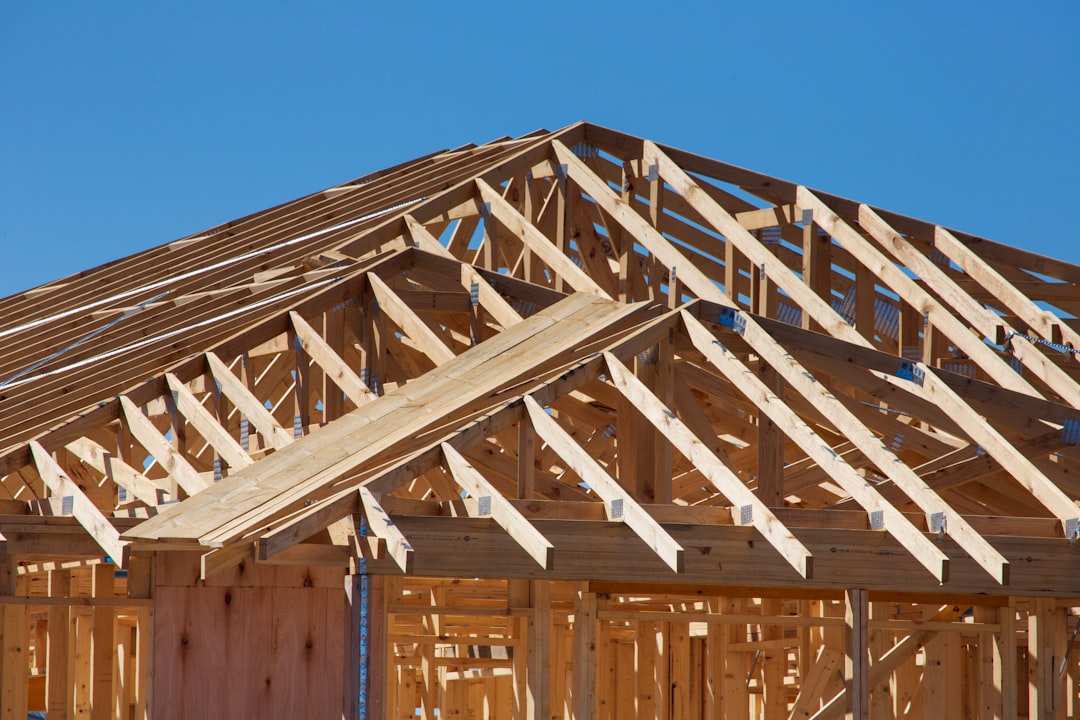
A Louisville builder recently partnered on a 2,200 sq ft Craftsman home. Initial supplier quotes pegged house trusses prices at $16,500. By optimizing truss spacing and heel heights, the revised package was $6,460–$8,500—a 17% reduction without compromising structural integrity.
• Align Crane Day with Weather: High winds can idle a crane and add standby fees.
• Bundle Material Negotiations: Combine floor deck, sheathing, and trusses for better mill pricing.
• Automate Change Orders: Speak changes into your phone. Recalculate truss spans and issue an updated quote before the meeting ends.
1. Pre-Construction Budgeting: Quickly test multiple roof concepts to spot the most cost-effective design.
2. Procurement: Generate purchase orders that mirror your live estimate, eliminating re-keying mistakes.
3. Field Coordination: Share the 3D truss layout with the crew so everyone sees bearing points and bracing locations.
