

For construction professionals, understanding the cost of installing GFCI outlets is crucial. The price can vary significantly based on factors like wiring conditions, local codes, and labor rates. Typically, the cost ranges from $130–$300 per outlet, with potential increases in areas with higher labor costs or complex installations. When multiple outlets are installed simultaneously, the cost per outlet can decrease to $110–$180.
Across the U.S., a single 15-amp GFCI receptacle installation typically lands between $130 and $300. In regions with higher labor rates, complex wiring, or outdated panels, the total can rise toward $350. When multiple outlets are tackled in one visit, per-outlet pricing drops, often to $110–$180 each.
1. Outlet Location – Kitchens and bathrooms are usually straightforward. Attics, crawl spaces, or detached garages demand more labor, nudging costs up.
2. Panel Capacity – If the service panel is full, adding a breaker or sub-panel adds material and labor.
3. Wiring Condition – Aluminum or cloth-wrapped wire needs pigtails or replacement, which adds time.
4. Local Code Updates – Some municipalities now require tamper-resistant and weather-resistant units in specific rooms.
5. Quantity – Bundling five or more outlets in one trip reduces travel and setup charges.
GFCI (Ground-Fault Circuit-Interrupter) outlets cut power in milliseconds when they sense imbalances, preventing shocks around water sources. Current national code demands them in kitchens, bathrooms, laundry rooms, unfinished basements, exterior walls, and garages. Skipping them risks fines and, more importantly, occupant safety.
While purchasing a GFCI device for under $15–$50 might seem cost-effective, professional installation ensures code compliance and safety. Licensed electricians provide warranties on labor and parts, and their expertise can prevent costly mistakes.
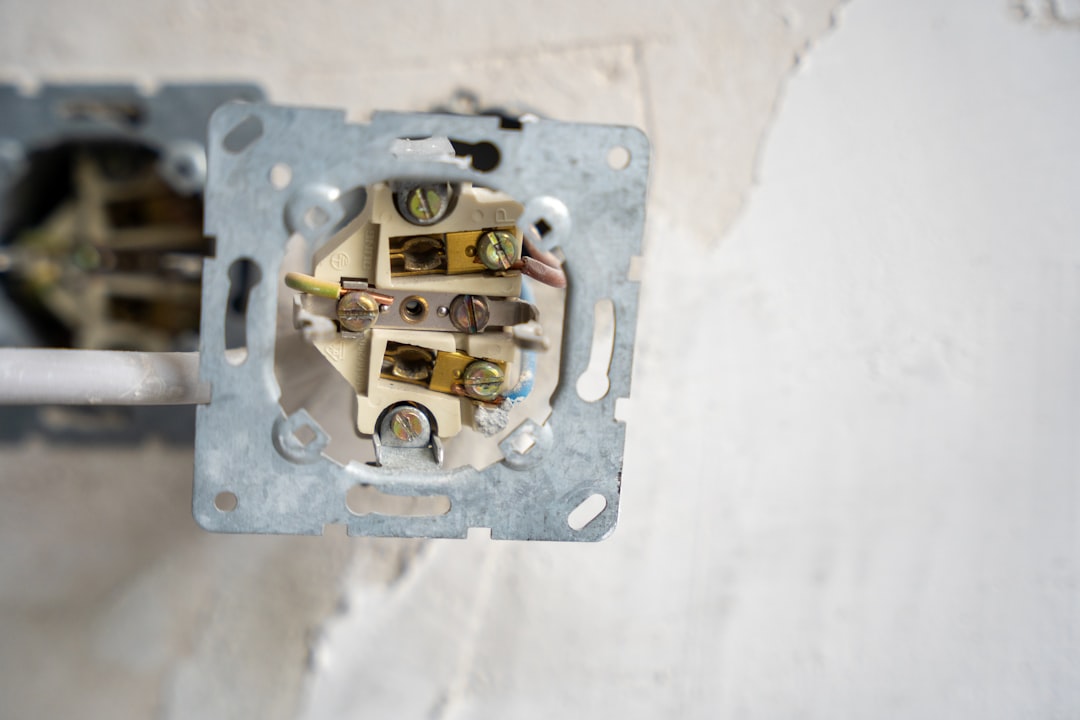
Upgrading outlets is rarely a stand-alone task in residential construction. Most clients tackle GFCI installations while remodeling a kitchen, finishing a basement, or adding an exterior living space. Bundling these tasks can maximize savings.
