

In 2026, exterior house painting costs range between $2.00 and $6.00 per square foot, with total project pricing typically from $1,800 to $4,600 for average homes. Larger or complex projects may run from $6,000–$12,000+, depending on prep intensity and access. Labor costs are typically $1.00 to $3.00 per square foot or $25 to $100 per hour per painter. Labor often represents 70–85% of total costs, making precise labor modeling crucial for accurate contractor bidding.
Here’s a breakdown of the current professional exterior painting labor benchmarks:
| Unit | Rate Range | Notes |
|---|---|---|
| Per square foot (total) | $2.00–$6.00 | Includes labor, materials, prep, and coats; varies by region and home complexity (homeadvisor.com) |
| Labor per square foot | $1.00–$3.00 | Painters charge per sqft for application and prep labor (homeadvisor.com) |
| Hourly labor rate | $25–$100 | Varies by crew experience, region, task complexity (homeadvisor.com) |
Contractors can protect their margins and win bids by doing the following:
Use this framework to project crew cost per project:
Precise labor modeling helps bid competitively while maintaining margins—focus on trade-specific cost accuracy, not consumer fluff.
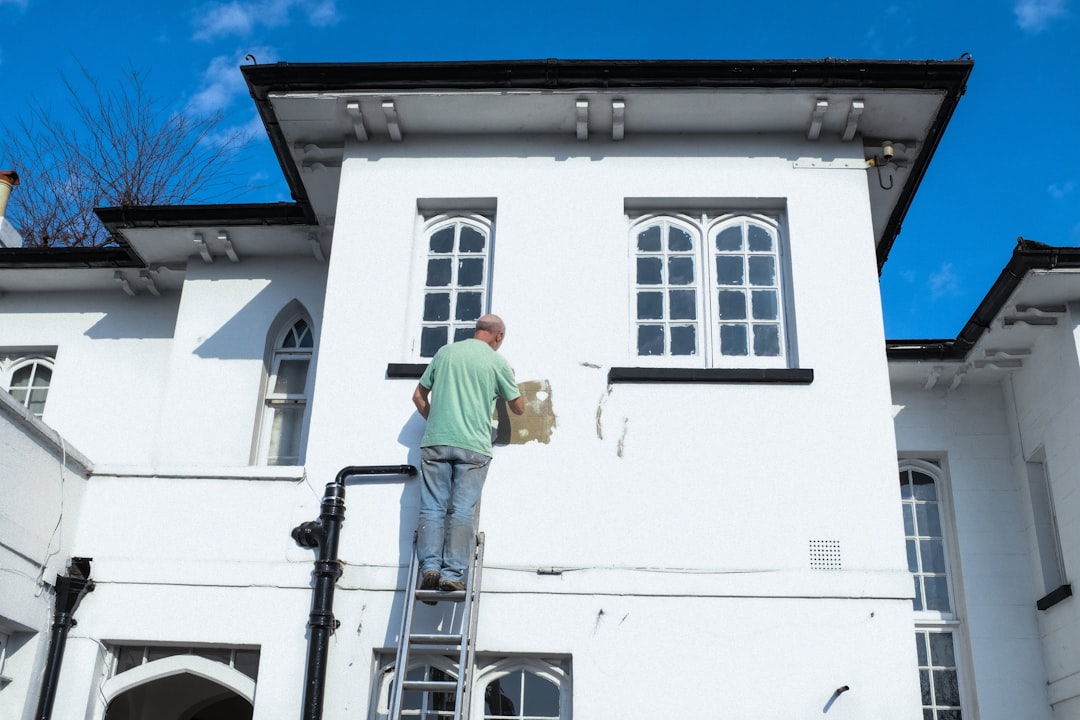
This section provides contractor-level guidance to refine exterior painting crew labor estimates and avoid over-pricing labor in bids:
1. Validate hourly vs. sqft rates with local crews. Hourly labor often ranges from $25–$100; per-sqft estimates should reflect prep, access, and multiple coats—typically $1–$3 per square foot labor only (homeadvisor.com).
2. Break out line-item for high-impact tasks. Specify separate amounts for power-washing, caulking, scraping at $0.50–$2.50/sq ft, and trim work per linear foot.
3. Track crew productivity. Log square footage completed per painter-hour on each job to refine labor rate assumptions.
4. Use conservative contingencies, not inflated rates. Instead of quoting $3 or more per square foot, apply a realistic baseline and a small contingency percentage for unknowns.
5. Avoid YMYL-promotion language. Keep estimates factual and focused on trade needs—lean, accurate, transparent cost modeling rather than marketing copy.
These practices help contractors optimize crew deployment, improve bidding accuracy, and stay competitive in 2026 exterior painting markets.
