

Accurately estimating the amount of paint required for a garage door is crucial for construction professionals. A typical single-car garage door requires approximately 1 gallon of paint, while a double-car door may need up to 2 gallons. This ensures efficient use of materials and cost-effectiveness. Our AI-driven tools provide precise calculations tailored to your project's needs.
Single-car doors range from 80 to 110 square feet, while double-car doors can be 160 to 220 square feet. Panel designs like raised or recessed styles increase surface area, requiring more paint.
Switching from dark to light colors often requires additional coats. Typically, two coats are recommended for optimal coverage.
Steel and aluminum doors need less paint but require a high-bonding primer. Wood doors absorb more paint, necessitating a 20% increase in quantity.
Using an airless sprayer may increase paint usage by 10% due to overspray, while rollers and brushes are more efficient for specific areas.
1. Measure the door's width and height to determine the area. 2. Adjust for panel recesses by multiplying by 1.1. 3. Divide by the paint's spread rate (typically 350 sq ft/gal). 4. Multiply by the number of coats needed.
In Los Angeles, factors like humidity and sun exposure affect paint longevity. Use fade-resistant acrylic enamel and UV-blocking primers, planning for a spread rate of 300 sq ft/gal.
Component Cost: Premium exterior acrylic enamel: $30–$80 per gallon. Bonding primer: $20–$50 per gallon. Masking materials: $5–$9 per door. Labor: 2–3 hours for a single door, 4–5 for a double. Total cost for a single 8 x 7 door ranges from $200–$500.
1. Clean and prepare the surface. 2. Mask surrounding areas. 3. Apply primer and paint coats. 4. Finish with touch-ups and cleanup.
If significant damage is present, consider replacement. Our tools provide a detailed analysis to help make informed decisions.
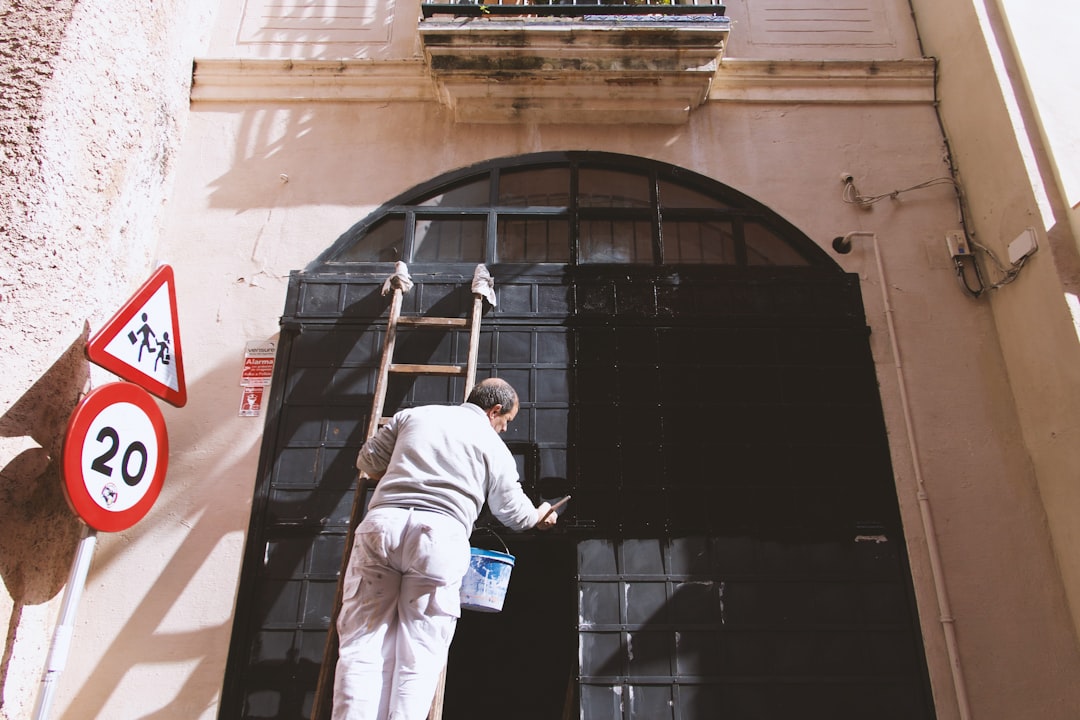
A Pasadena contractor used CountBricks to accurately estimate paint needs for a 9 x 7 steel garage door. The precise calculation saved time and resources, allowing the team to complete additional tasks and increase profitability.
Dark-to-light color changes increase paint use by 14%. Sprayer application reduces labor costs by 40%. South-west facing doors fade faster, suggesting maintenance plans for recurring revenue.
CountBricks streamlines project management by linking paint specifications to digital blueprints, enhancing efficiency across trades.
