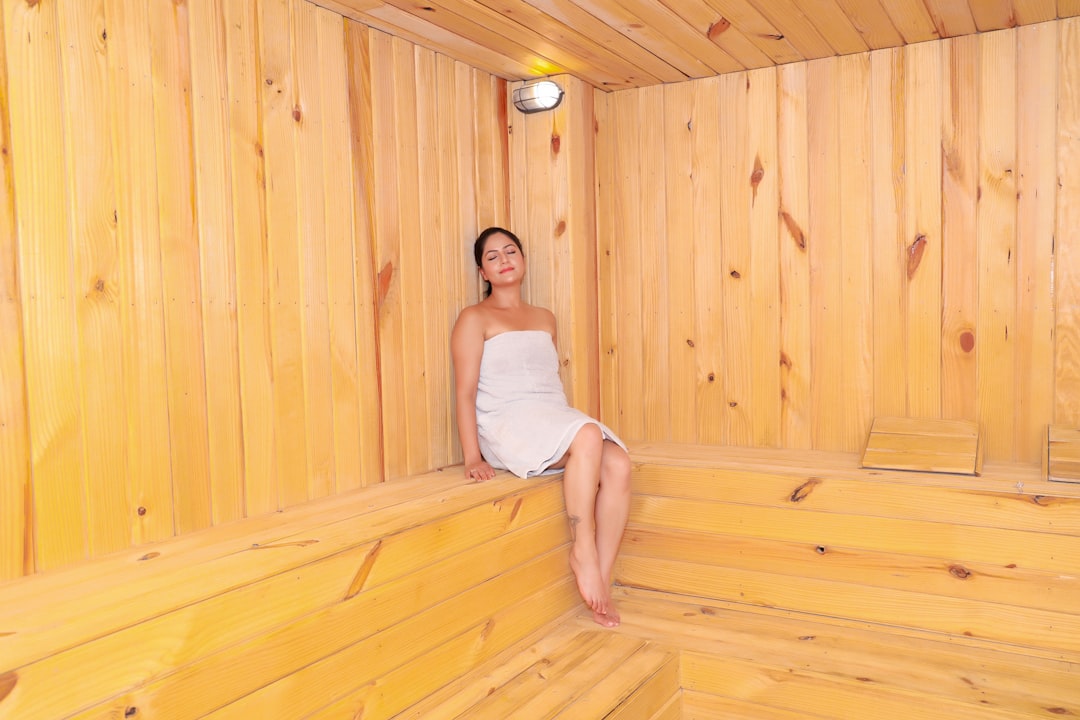
Professional Sauna Installation Costs & Insights
Price source: Costs shown are derived from our proprietary U.S. construction cost database (updated continuously from contractor/bid/pricing inputs and normalization rules).
Eva Steinmetzer-Shaw
Head of Marketing
Understanding Sauna Installation Costs for Trade Professionals
Installing a sauna involves various factors that influence the overall cost. For trade professionals, understanding these elements is crucial for accurate project estimation. The cost to install a sauna can range significantly based on size, heat source, materials, and site conditions. Here’s a detailed breakdown to guide your next project.
Current Cost Overview
- DIY sauna kit: $4,500 – $7,500
- Mid-range custom cedar sauna: $12,000 – $18,000
- Premium steam/sauna combo: $25,000 – $40,000+
Trade professionals often work within the mid-range category. Accurate estimates require consideration of live material pricing, local labor rates, and compliance with current codes.
Key Factors Influencing Sauna Installation Costs
1. Size and Capacity
The size of the sauna directly impacts material and labor costs. A larger sauna requires more lumber, insulation, and ventilation, increasing the overall expense.
2. Heat Source Options
Electric heaters are popular due to their ease of installation and maintenance. Wood-burning stoves and infrared panels offer alternatives but come with additional requirements and costs.
3. Material Selections
- Framing lumber: $3 – $4 per sq ft
- Interior cladding: $5 – $7 per sq ft
- Benches & trim: $40 – $60 per linear foot
- Doors & glazing: Starting at $600
- Lighting & controls: $250 – $400 each
4. Site Preparation and Utilities
Site conditions can significantly affect costs. Basements with existing electrical panels are more cost-effective compared to complex integrations requiring extensive modifications.
Sample Sauna Installation Estimate
Here’s a sample estimate for a 6' x 8' electric sauna:
- Demolition & prep: $1,200
- Framing, insulation & vapor barrier: $2,900
- Cedar cladding & benches: $4,100
- Electric heater & controls: $1,600
- Dedicated circuit & rough-in: $1,200
- Ventilation fan & ducting: $700
- Tempered glass door: $850
- Finish carpentry & detailing: $1,350
- Final cleaning & commissioning: $400
Total Investment: $14,300
Why Choose Professional Installation?
Precision Estimating
Utilize AI-driven tools for precise estimates, reducing manual errors and ensuring compliance with local codes.
Integrated Blueprint Takeoffs
Advanced tools read architectural drawings, providing accurate material and labor cost assessments.
Code-Compliant Construction
Ensure all installations meet or exceed local building codes, with thorough inspections and permit management.
Turnkey Solutions
- Single point of contact
- In-house skilled trades
- Regular progress updates
Frequently Asked Questions
Installation Timeline
Most projects complete in 7-10 days, with complex integrations taking up to three weeks.
Ventilation Requirements
Proper ventilation is essential to manage moisture and maintain warranty coverage.
Financing Options
Explore financing options with regional lenders for qualified projects.
Case Study: Efficient Sauna Installation Under $15K
The Larsen family transformed their basement into a sauna for under $15,000. By leveraging existing utilities and selecting cost-effective materials, they achieved their dream sauna efficiently.
Cost-Saving Strategies
- Utilized existing electrical circuits
- Opted for cost-effective materials
- Maximized existing structural elements
Project Timeline
- Day 1: Demolition and prep
- Day 3: Framing and inspection
- Day 5: Electrical rough-in
- Day 7: Bench and door installation
- Day 9: Final testing and orientation
Project Outcomes
- Final cost within 1.9% of estimate
- Minimal increase in utility bills
- Increased property value
Professional Tips
- Consider a Wi-Fi thermostat for convenience
- Ensure adequate bench depth for comfort
- Install a fresh-air intake vent
For more insights and custom estimates, visit CountBricks.com.