

Accurate cost estimation is crucial for residential construction professionals. Current rates for residential builds range from $150–$300 per square foot, depending on location and materials. This guide will help you navigate the complexities of estimating costs effectively.
• Scope Definition: Ensure clear drawings and specifications.
• Quantity Takeoff: Capture every material from blueprints.
• Material Pricing: Use live cost feeds from suppliers.
• Labor Rates: Include crew productivity and overheads.
• Contingency and Profit: Adjust buffers as needed.
1. Start a new project in your estimating software.
2. Upload plans and let AI handle scaling and recognition.
3. Generate takeoffs and review assemblies.
4. Populate material prices in real-time.
5. Select labor types and apply productivity factors.
6. Add contingencies and mark-ups.
7. Create a detailed cost breakdown and suggested sell price.
8. Convert to a branded quote document.
9. Send to clients or export for invoicing.
• Site Access: Affects equipment efficiency and labor hours.
• Custom Finishes: Can significantly increase material costs.
• Market Volatility: Monitor material price fluctuations.
• Weather Delays: Include realistic program buffers.
• Regulatory Changes: Account for compliance costs.
Analyze past project data to refine future estimates. Regular reviews can improve gross margins significantly.
• Build a library of assemblies for quick access.
• Record site notes and attach photos for accuracy.
• Use simulators to test price sensitivity.
• Lock in supplier quotes to protect margins.
• Sync estimates with scheduling tools for cashflow management.
Provide clear, itemized documents that enhance client trust and shorten approval cycles.
Handle variations efficiently to ensure no revenue is lost. Use tools that update quantities and pricing instantly.
Accurate estimating is essential for profitability in residential construction. Utilize advanced tools to streamline the process and ensure project success.
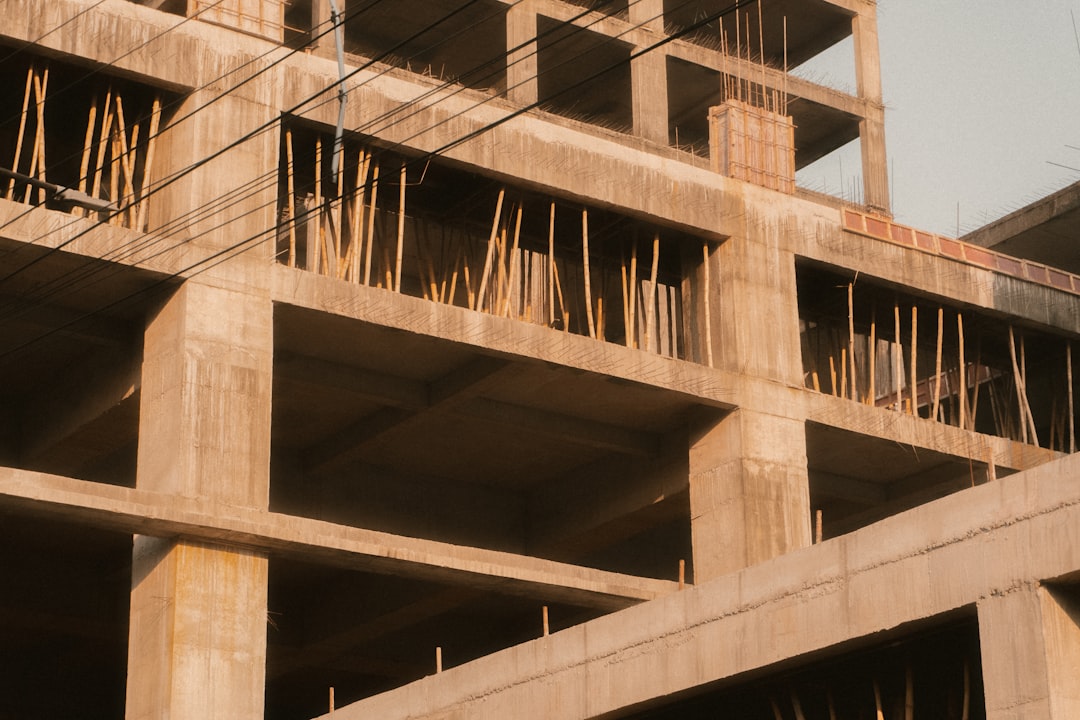
During the Elm Street renovation, unexpected issues arose. Quick updates in estimating software saved time and protected margins.
• Termite damage required additional materials.
• Client upgrades increased costs.
• Regulatory changes affected project scope.
1. Rapid recalculations of materials and labor.
2. Locked in supplier prices to avoid cost spikes.
3. Generated variation documents for client approval.
The project finished slightly over budget, but approved variations covered the additional costs, maintaining profitability.
• Always include contingencies in estimates.
• Use historical data for accurate labor predictions.
• Communicate changes promptly to maintain client trust.
