

Installing a gas dryer line is a critical task in residential construction, requiring precision and adherence to safety standards. The cost for professional installation typically ranges from $760 to $1,650 per opening, depending on the complexity and materials used. This guide provides a comprehensive overview for construction professionals, ensuring efficient and code-compliant installations.
• Ensures energy efficiency and reduces utility costs
• Complies with local building codes and safety standards
• Minimizes risks of carbon monoxide leaks and insurance claims
Proper installation enhances client satisfaction and project profitability.
Adhering to the International Fuel Gas Code (IFGC) and local amendments is crucial. Key requirements include:
• Use of CSST or black iron pipe sized for BTU demand
• Installation of an accessible shut-off valve within 6 feet of the appliance
• Inclusion of a sediment trap to capture debris
• Use of approved flexible connectors
• CSST or ½-in black iron pipe
• Pipe cutter or threader
• Pipe wrench set
• Yellow Teflon gas-thread tape
• Bubble leak-detection solution
• Shut-off valve, sediment trap, and flexible connector
• Manometer for pressure testing
Utilize digital tools to plan the layout and estimate costs accurately.
Ensure the main gas valve is closed and verify zero pressure before proceeding.
Measure and cut the pipe, ensuring proper clearances and connections.
Secure all connections with appropriate materials and techniques.
Conduct a thorough pressure test to ensure system integrity.
Complete the installation with a final leak check and system commissioning.
• Incorrect pipe sizing
• Missing sediment traps
• Over-tightening connections
For complex installations or if encountering outdated systems, consult a licensed professional.
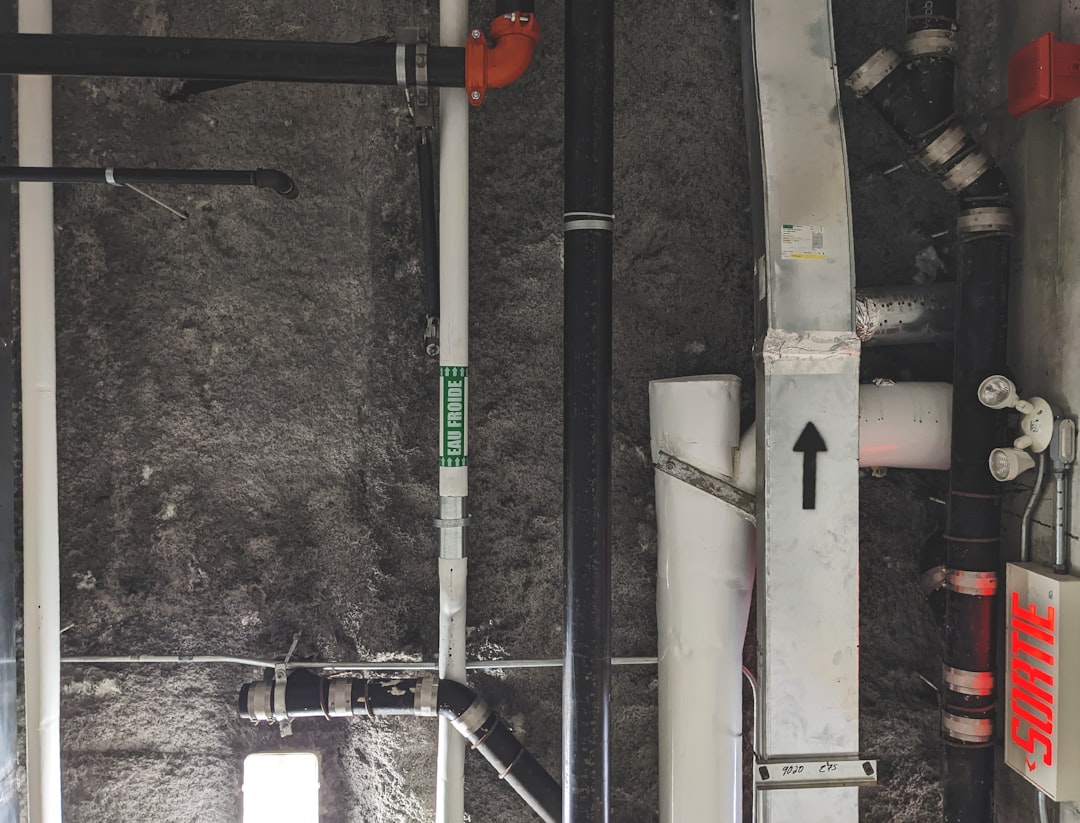
A recent project in El Paso involved installing gas lines for a 22-unit townhouse development. By utilizing advanced planning tools, the project reduced installation time by 35%, saving significant labor costs.
• Label connectors to prevent mix-ups
• Document installation with photos for records
• Use digital logs for audit trails
Consider future upgrades like outdoor kitchens or tankless water heaters when planning gas line installations.
Explore professional solutions and tools to enhance your gas line installation projects.
