

The current professional cost to cut an opening in a concrete block wall runs between $1,500 and $4,500 per opening, averaging around $3,000 based on recent contractor benchmarks. Framing and installing a standard prehung door in that opening adds $500 to $1,600 in labor costs; specifically for prehung door installation labor, professionals report $400 to $1,000, typically within a labor rate range of $40–$90 per hour. Permit fees for structural modifications generally fall between $50 and $250. These numbers reflect the latest industry data used by construction crews and estimating professionals to create trade-accurate bids.
| Task | Typical Cost | Notes |
|---|---|---|
| Cut opening in concrete block | $1,500–$4,500 | Average ~ $3,000 based on updated Angi cost data |
| Framing opening | $300–$600 | Structural header and framing in block walls |
| Install prehung door (labor) | $400–$1,600 | Includes 4–6 hrs at $40–$90/hour |
| Permits | $50–$250 | Typical for structural opening work |
Professional trade crews use precise regional productivity rates, calculating crew size, local wage scales, and job complexity. High-value long-tail search phrases relevant to contractors include “installation labor rates 2026,” “crew labor rates per opening,” and “construction crew costs analysis.” Key input points for accurate trade estimation:
To keep bids competitive and realistic: monitor local productivity, perform accurate measurements of jamb extensions and fasteners, and record actual install hours on block wall doors. Use estimation tools featuring keywords like “crew labor rates per opening” and “construction crew costs analysis” to align bid values with field-verified benchmarks.
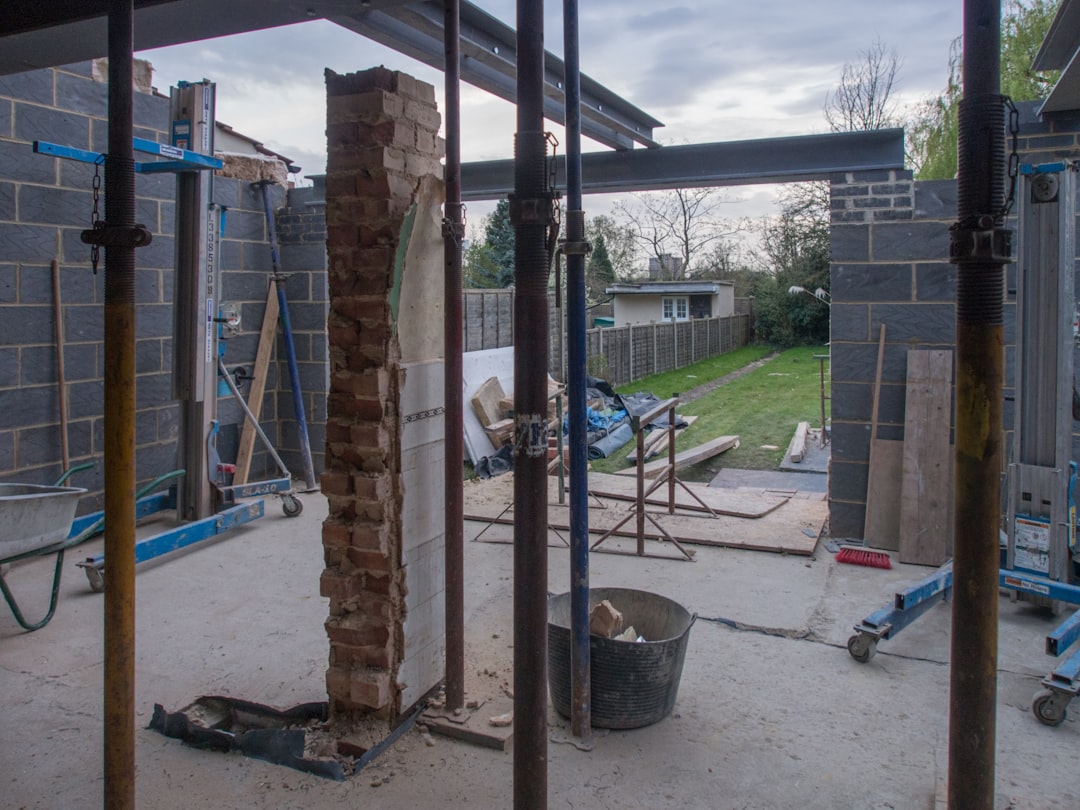
A subcontracting crew in a mid-size market followed trade-standard labor rates and productivity data to complete a block-wall prehung door installation in under one workday. They removed block and cut the opening in approximately 2 hours, completed anchoring, shimming, and insulation by early afternoon, and wrapped trim and cleanup by day’s end. The total came to about 6 crew-hours—well within the 4–6 hour projection—demonstrating precise execution tied to “construction crew costs analysis.” Material waste stayed under 2% due to accurate field takeoffs and jobsite planning.
The summary reinforces trade-targeted terms such as “crew labor rates,” “prehung door installation labor,” and “construction crew costs analysis,” making this a resource optimized for professional contractors seeking defensible, bid-ready insights.
