

Installing can lighting in residential projects involves several cost components. As of February 2026, the average cost for installing recessed lighting ranges from $125–$300 per fixture, depending on the complexity of the installation and regional labor rates. Key components include:
Recessed can lights offer a sleek ceiling line and energy-efficient illumination, making them a preferred choice for contractors. Mastering the installation process is crucial for efficiency and client satisfaction. CountBricks provides real-time voice estimating, AI blueprint takeoffs, and up-to-date material pricing to streamline your projects.
Optimize Your Workflow: Upload floor plans to CountBricks to generate AI-driven lighting layouts, including fixture counts, wire runs, and labor hours. Ensure you:
1. Turn off power at the panel and verify with a tester.
2. Use chalk lines based on AI layout.
3. Drill pilot holes and check clearance.
4. Pull home-run cable to the first housing location.
5. Cut openings with a 6-inch hole saw.
6. Insert IC-rated housing and secure clips.
7. Daisy-chain cables between cans.
8. Strip conductors and connect wires.
9. Connect switch leg and splice neutrals.
10. Install a dimmer rated for LED load.
11. Snap in LED trims and restore power.
12. Walk through zones and controls with the homeowner.
• Over-cut drywall: Use exact cutout sizes.
• Overloading circuits: Calculate total wattage and breaker size.
• Forgetting vapor barriers: Use IC-AT housings with gasketed trims.
CountBricks provides live pricing and applies regional labor rates. A typical retrofit might include:
• California Title 24 requires airtight, high-efficacy can lights.
• Maintain 3-in clearance from insulation for non-IC housings.
• NEC 314.27 mandates accessible junction boxes.
After estimate approval, export the task list to your project dashboard:
Will can lights lower ceiling height? No, they sit inside the joist bay.
Can I mix warm and cool LEDs? Consistent color temperature is recommended.
Do I need attic access? Retrofits can be done from below.
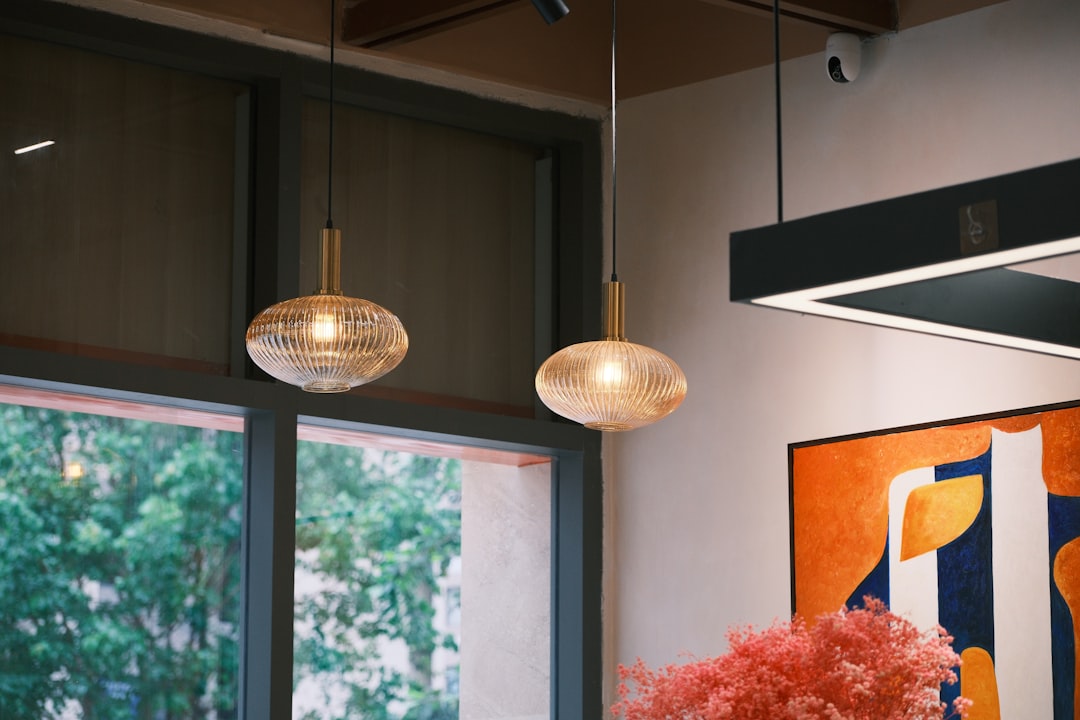
A Pasadena homeowner desired vintage charm with modern lighting. CountBricks identified 12 optimal fixture locations, preserving exposed beams, and generated a materials list swiftly.
1. Day 1 Morning – Rough-in wiring completed.
2. Day 1 Afternoon – Housings set, inspection photos uploaded.
3. Day 2 – Trim, dimmer programming, and walkthrough.
The project closed 11% under budget due to efficient material use. The homeowner praised the even light distribution.
