

In coastal regions, concrete block homes are favored for their durability and energy efficiency. Installing prehung doors in these structures presents unique challenges; however, with the right method, it becomes a straightforward process. This guide is crafted for construction professionals aiming for efficient and precise installations, reducing expensive callbacks. Today’s market pricing for prehung door installations varies from $1,900 to $3,600 per door, influenced by specifications and local labor costs.
| Component | Cost |
|---|---|
| Door and hardware | $500 to $1,600 |
| Masonry demo and lintel installation | $300 to $600 |
| Buck framing and flashing | $300 to $600 |
| Door setting, foam, trimming, finishing | $50 to $250 |
| Permit, waste disposal, contingency | $50 to $250 |
| Total | $3,000 ±5% |
1. Measure the existing rough opening and mark the proposed cutting line accurately to minimize installation errors.
2. Ensure correct door swing, handing, and threshold height for compliance and accessibility.
3. Confirm header dimensions; typically, a lintel is essential above new openings in block walls.
• Submit permit applications early to avoid project delays.
• Ensure the power is off in the work zone and check for hidden wiring before cutting.
• Use appropriate safety gear like eye, ear, and respiratory protection during demolition.
• Diamond masonry saw or angle grinder with segmented blade
• SDS rotary hammer with 3/8" and 1/2" bits
• 2x treated lumber or PVC extensions
• Non-shrink grout or foam backer rod
• Polymer-modified thinset or construction adhesive
• 1/4" x 3-1/4" concrete screws
• Level, shims, and waterproof flashing membrane
1. Score the perimeter using a diamond blade to cut through the block.
2. Drill relief holes at corners to avoid over-cutting.
3. Carefully remove block sections with a sledge and chisel.
1. Install temporary supports under the course above the opening.
2. Dry-fit the lintel—precast or poured-in-place—ensuring an 8" bearing length.
3. Grout solidly around lintel ends, allowing appropriate cure time per mix instructions.
• Secure treated lumber or PVC bucks using screws every 8" on center.
• Ensure framing is plumb and square for optimal door function.
• Seal the exterior interface with polyurethane sealant.
1. Apply self-adhesive flashing at the sill, extending 6" up the jambs.
2. Overlap jamb flashing above the sill membrane.
1. Dry-fit and adjust the door to verify the reveal.
2. Apply sealant at the sill pan.
3. Insert the door, using shims behind hinges and strikes as needed.
• Utilize backer rod or low-expansion foam in gaps between the jamb and block.
• Secure interior casing to the buck; ensure the exterior trim covers the flashing flange.
• Skipping lintel installation can cause structural issues. Ensure it's part of your plan.
• Over-tightening screws can distort the jamb. Adhere to manufacturer's torque specifications.
• Inadequate waterproofing can damage the door. Incorporate comprehensive flashing in your plan.
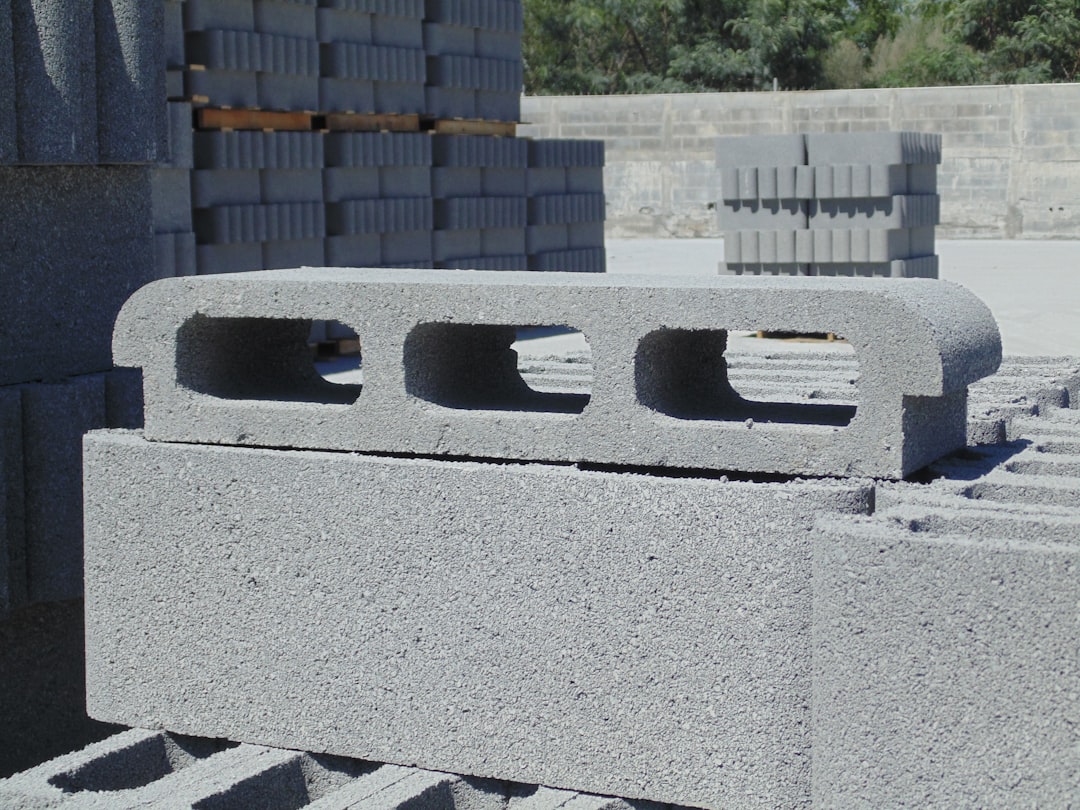
A San Diego homeowner required a wider access door to a pool deck, involving a 3068 prehung French door in a concrete block wall. Initial estimates ranged between $1,500 to $4,500 and $1,500 to $4,500. Utilizing an AI-enhanced takeoff tool from CountBricks, a more cost-effective solution was achieved.
• Detailed takeoff included lintel and flashing specifications, enhancing accuracy.
• Real-time updates provided transparent costs for doors and hardware. Labor rates adapted for two-person crews and waste disposal.
1. Pre-cutting of the opening commenced early, ensuring smooth workflow.
2. Lintel and buck framing executed and validated via photo documentation.
3. Installation and finishing of the door were completed efficiently on the second day.
Total cost: $3,060—yielding a savings of nearly $2,000 compared to traditional bids.
• Plan meticulously for any block cutting that might impact flooring levels.
• Implement stainless steel fasteners in coastal environments to prevent corrosion.
