

In coastal regions, hurricane shutters are a critical component for safeguarding properties against severe weather. For construction professionals, accurately estimating the cost of hurricane shutter installation is essential. Costs can vary significantly based on shutter type, opening sizes, labor rates, and local code requirements. As of February 2026, typical installation costs range from $650 to $1,200 per opening. This guide provides insights into the key cost drivers and how to optimize your estimates using advanced tools.
Different shutter types come with varying costs and installation complexities. Roll-down shutters, for instance, offer convenience but require motors and tracks, while accordion shutters are more space-efficient. Here are some average material costs:
These costs include hardware but exclude labor.
Standard windows are straightforward, but custom openings like oversized sliders or arched windows require additional materials and labor. Identifying these early can prevent budget overruns.
Labor constitutes 30-50% of the total installation cost. Rates vary by region, with skilled installers in coastal areas like New York charging $45 to $100 per hour. Consider factors like certification levels and union status when estimating labor costs.
Compliance with local building codes can add 5-10% to project costs. This includes specific fastening patterns and impact-rated products. Ensure your estimates account for these requirements to avoid delays.
Projects in urban areas may incur additional costs for equipment and traffic control, ranging from $1,000 to $2,500. Proper planning can mitigate these expenses.
For a 4' × 5' opening using manual roll-down shutters, the estimated costs are:
Utilize AI-driven tools for precise estimates and efficient project management:
Motorized shutters typically add a 20-30% premium due to additional components like motors and wiring.
Yes, many projects are financed through renovation loans, with integrated payment schedules for cash flow management.
Adjust estimates in real-time using mobile inputs to maintain project margins.
Accurate cost estimation is crucial for successful hurricane shutter installations. By understanding key cost drivers and utilizing advanced tools, construction professionals can deliver projects on time and within budget.
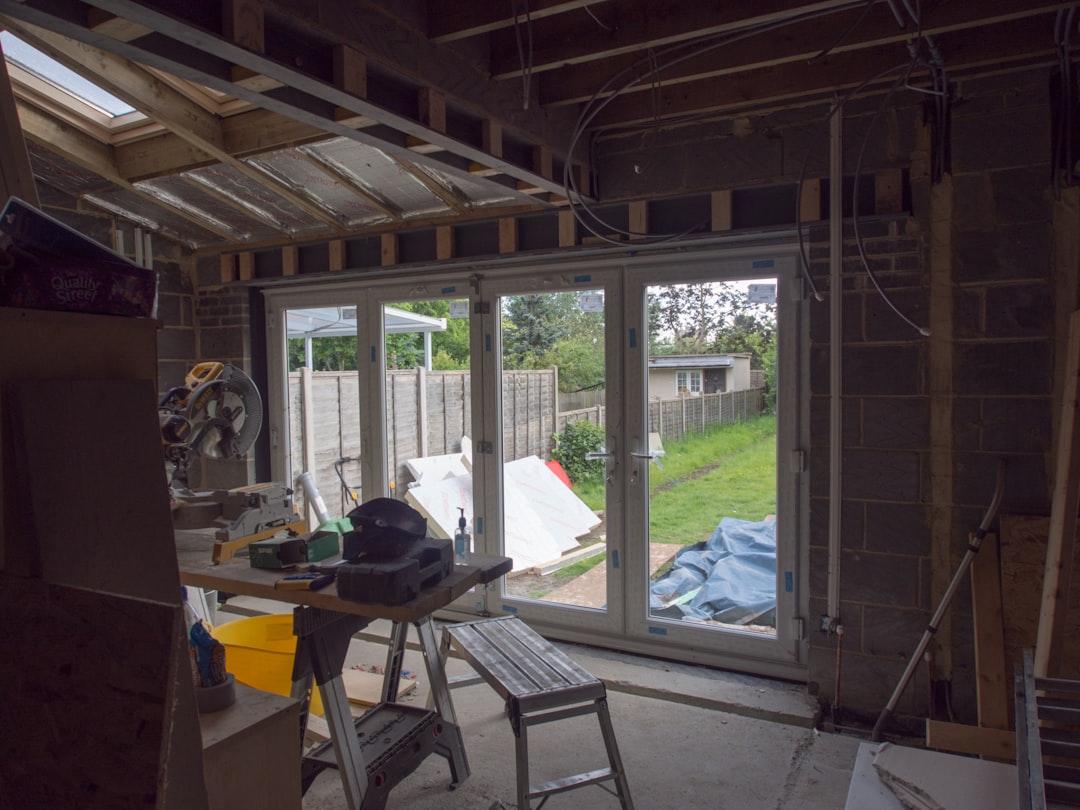
A recent project involved installing roll-down shutters on a 1,900 sq ft coastal bungalow. The project highlighted the efficiency of using advanced estimating tools to manage costs and timelines effectively.
For more success stories, visit CountBricks.com.
