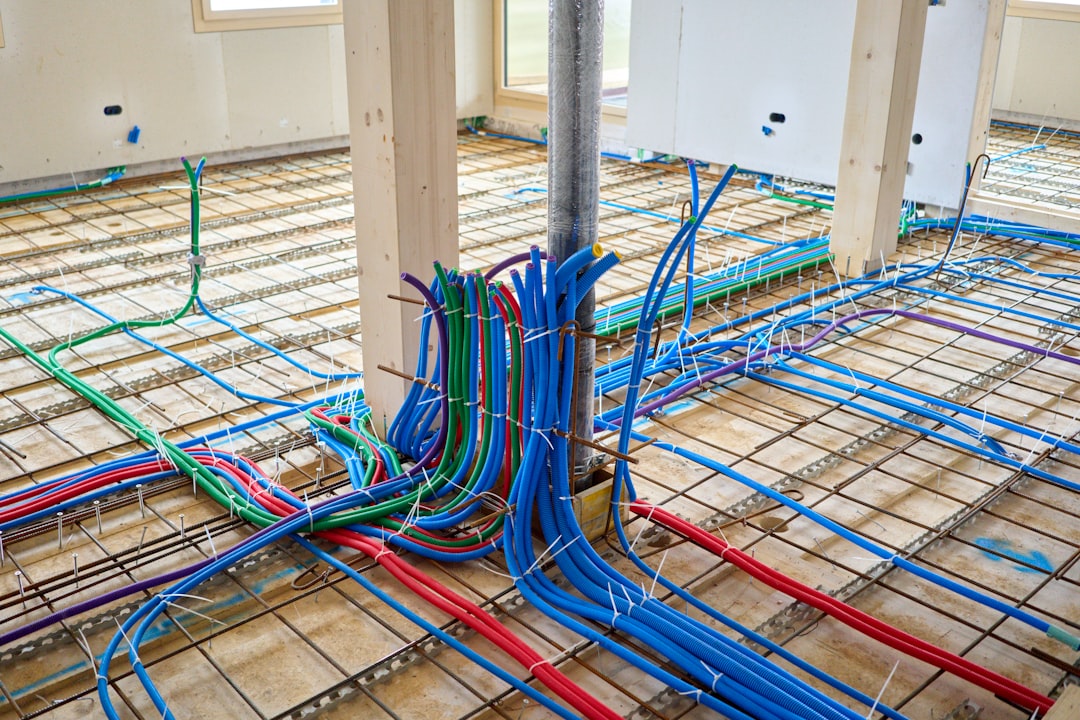
Professional Guide to Hydronic Radiant Heating Costs
Price source: Costs shown are derived from our proprietary U.S. construction cost database (updated continuously from contractor/bid/pricing inputs and normalization rules).
Eva Steinmetzer-Shaw
Head of Marketing
Comprehensive Analysis of Hydronic Radiant Floor Heating Costs
For construction professionals, understanding the intricacies of hydronic radiant floor heating costs is crucial for accurate project budgeting and client consultations. This guide explores cost determinants and offers strategies for efficient system implementation. Accurate cost projections lead to successful project outcomes.
Key Factors Influencing Operational Costs
Identifying and leveraging key cost determinants can significantly enhance system efficiency and economic viability.
- Energy Source: Choices between natural gas, propane, electricity, and heat pumps substantially affect operational costs. Analyze current energy tariffs for precision in cost forecasting.
- Boiler Efficiency: Transitioning a boiler from 80% to 95% AFUE can considerably reduce energy expenses and boost operational efficiency.
- Floor Covering and Insulation: Using tile can improve thermal efficiency, whereas carpets require higher operating temperatures. Effective insulation further diminishes heat loss.
- System Zoning & Controls: Employing smart thermostats and zoned controls can lower energy consumption and operating costs.
Estimated Operating Costs
| System Type | Monthly Cost (Peak Winter) |
|---|
| Gas Boiler (94% AFUE) | $100–$140 |
| Heat Pump (COP 3.0) | $80–$110 |
| Propane Boiler (90% AFUE) | $180–$220 |
Annual expenses range from $0.50–$1.50 per sq ft per square foot, depending on system selection and usage levels.
Leveraging AI for Cost Calculation
- Input project specifications to obtain in-depth analyses and instant cost evaluations.
- Select energy sources to engage live pricing integrations.
- Verify utility costs to receive seasonally adjusted forecasts.
Analyzing Cost Benefits
Beyond installation costs, understanding lifecycle efficiencies can result in energy savings of up to 40% over ten years.
Case Study: Enhanced Savings in Boston Brownstone
A retrofit using a 95% AFUE boiler led to a 39% annual savings, showcasing substantial benefits for construction professionals aiming to maximize project value.
Professional Tips for Cost Savings
- Adopt advanced insulation standards to reduce heat loss.
- Apply outdoor reset controls to enhance efficiency in milder climates.
- Utilize variable-speed pumps to achieve energy savings.
- Optimize tubing placement under insulated materials.
- Perform regular maintenance to maintain peak system efficiency.
FAQs
Integration with Renewable Energy: Pairing with renewable energy sources like solar panels lowers operation costs further.
Partial Installations: Design zoning strategies for targeted, efficient installations.
Maintenance Costs: Equivalent to conventional systems, with annual expenditures around $100–$300.
Next Steps for Professionals
For bespoke cost assessments or installation services, visit CountBricks.com for resources tailored to industry professionals.
From Estimation to Execution: Maximizing Efficiency
Understanding hydronic radiant floor heating costs is crucial, but optimizing implementation ensures project success. CountBricks provides professional-grade tools and workflows for seamless execution.
Streamlining Project Execution
- Enhance tubing layouts with precise digital takeoffs to reduce waste and errors.
- Align purchasing orders with exact material necessities for strict cost management.
- Set distinct crew-hour benchmarks for punctual project completion.
Enhancing On-Site Efficiency with Digital Solutions
- Access and revise project data instantly via mobile devices.
- Validate tasks in real-time for optimal workflow efficiency.
- Document progress through photography to create comprehensive records.
Improving Project Accuracy
Refining efficiency and accuracy significantly validates projects, resulting in notable cost savings and heightened reliability in complex construction endeavors.
Discover Our Platform
To explore more about CountBricks, schedule a demo at CountBricks.com.