

For construction professionals, determining the installation costs of engineered hardwood floors is crucial for project planning. Current costs range from $6 to $12 per sq ft per square foot installed, depending on various factors. This guide explores the key elements affecting these costs and how to optimize them for your projects.
• Engineered hardwood consists of a hardwood veneer over a plywood or HDF core, allowing for wider boards that remain stable.
• The layered construction reduces material waste, making it 20-30% cheaper than solid hardwood options like oak or maple.
• Installation costs are influenced more by subfloor preparation, fastening methods, and site logistics.
1. Floor Area: Costs scale with square footage.
2. Plank Thickness & Width: Thicker layers may require more robust fasteners.
3. Subfloor Condition: Leveling and moisture barriers can add 10-15% to costs.
4. Installation Method: Options include floating click-lock (lowest labor), glue-down, and nail-down (highest labor).
5. Trim & Transitions: Includes baseboards and stair nosings.
6. Waste Allowance: Plan for 5-8% overage.
• Materials: $3 to $6 per sq ft for mid-grade options.
• Labor: $3 to $8 per sq ft, varying by method and region.
• Full-scope projects: $6 to $12 per sq ft installed.
Regional variations, such as in the San Francisco Bay Area, can affect these ranges.
1. Voice Capture: Describe your project scope using the CountBricks app.
2. Instant Takeoffs: Upload blueprints for quick measurements.
3. Live Pricing: Access up-to-date material costs.
4. Regional Labor Rates: Apply local journeyman rates for accuracy.
5. Automated Quotes: Generate detailed proposals instantly.
• Prevent Budget Surprises: Accurate costs help plan other project elements.
• Build Client Trust: Transparency in estimates strengthens relationships.
• Protect Margins: Real-time pricing prevents unexpected cost spikes.
• Choose Click-Lock Planks: Reduce labor costs by up to 30%.
• Bundle Projects: Combine tasks to minimize overhead.
• Opt for Pre-Finished Boards: Save time on site finishing.
• Schedule Off-Peak: Take advantage of lower labor rates in off-seasons.
Floating installations may be suitable for simple layouts, but complex systems require professional expertise. CountBricks connects you with vetted installers.
1. Discovery Call: Capture goals and budget.
2. Digital Takeoff: Quick AI measurements.
3. Proposal Review: Interactive cost breakdown.
4. Material Procurement: Timely ordering.
5. Installation & QC: Track progress with the CountBricks app.
6. Invoice Automation: Streamlined billing process.
• Estimates align with NWFA standards.
• Moisture checks prevent issues.
• Project data archived for future use.
Whether managing a small update or a large-scale project, CountBricks provides the tools needed for precise cost management. Visit CountBricks.com to explore our services.
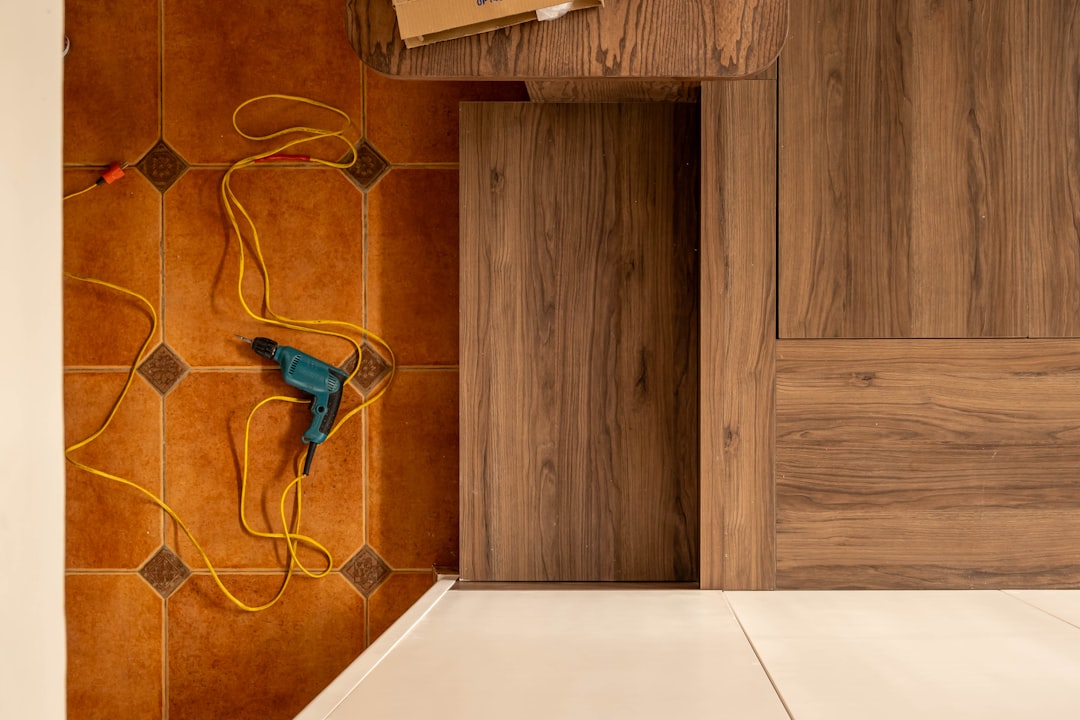
A San Francisco homeowner utilized CountBricks to replace 1,200 sq ft of carpet with engineered oak, showcasing our platform's efficiency.
• The client used the app to specify room sizes and plank preferences.
• AI processed the data, identifying four rooms and a hallway totaling 1,245 sq ft.
1. Materials: $5.50 per sq ft for click-lock planks, $0.60 for underlayment, $3.50 for trim.
2. Labor: $6.50 per sq ft, including carpet disposal.
3. Subfloor Prep: Added vapor barrier at $1.20 per sq ft due to moisture.
The proposal was $10 to $16 per sq ft, aligning with the client's budget. The contractor secured the project with transparent estimates and digital tools.
• Real-time data prevents delays.
• Click-lock saved significant labor time.
• AI reduced administrative workload by 70%.
From small updates to extensive renovations, CountBricks offers the precision and speed required in today's market. Visit CountBricks.com to learn more.
