

CountBricks Guide to Installing Attic Fan in Homes

Profile image of author
James Miller
Head of Sales

Professional Guide to Installing an Attic Fan

Installing an attic fan is a strategic move for construction professionals looking to enhance energy efficiency and prolong roof life. Current installation costs range from $300 to $900, depending on fan type and installation complexity. This guide provides insights into the cost factors, installation workflow, and how AI technology can optimize the process for trade professionals.

Importance of Attic Fans in Construction

Energy Efficiency – Proper ventilation can reduce cooling costs by up to 30%.

Roof Longevity – Lower attic temperatures prevent shingle damage and moisture issues.

Comfort Improvement – Balanced airflow eliminates hot spots in upper floors.

For new builds, integrating attic fans during the framing stage can streamline electrical rough-ins, offering a seamless addition to construction projects.

Key Cost Considerations

  • Fan Type – Options include solar, electric, and smart hybrid models.
  • Installation Location – Roof-mounted fans require additional weatherproofing.
  • Electrical Access – May need a dedicated line for safety.
  • Attic Size – Larger spaces require higher CFM ratings or multiple fans.
  • Local Codes – Compliance with regional ventilation and thermostat standards is crucial.

CountBricks' AI technology provides precise estimates by considering these variables alongside current material costs and labor rates.

Step-by-Step Installation Process

1. Site Assessment

Our project manager conducts a thorough site walkthrough, capturing measurements via our mobile app.

2. AI Blueprint Analysis

Digital plans are analyzed to map out joist spacing, electrical routes, and roof pitch.

3. Material and Labor Pricing

Real-time supplier data ensures accurate pricing for all components.

4. Permit and Code Compliance

Our system verifies compliance with local codes and rebate eligibility.

5. Installation Execution

  • Crew briefing and safety protocols.
  • Roof opening and flashing installation.
  • Fan motor and housing installation.
  • Thermostat wiring and electrical testing.
  • Final calibration and inspection.

6. Project Close-Out

Receive a comprehensive digital package with photos, warranties, and energy projections.

How AI Enhances Estimating Accuracy

Traditional estimates often rely on outdated methods. CountBricks uses AI to provide accurate, real-time proposals by analyzing:

  • Fan availability and lead times.
  • Labor productivity benchmarks.
  • Permit fees and inspection schedules.

This ensures a precise proposal before the contractor leaves the site, with real-time adjustments for upgrades.

Avoiding Common Installation Pitfalls

  • Undersized Fans – AI ensures correct CFM matching.
  • Poor Flashing – Verified installation steps prevent leaks.
  • Code Violations – Built-in checks flag issues early.
  • Unexpected Electrical Costs – Accurate assessments prevent surprises.

Enhance Your Construction Projects

Installing an attic fan is a valuable upgrade for energy efficiency and comfort. Whether retrofitting or integrating into new builds, CountBricks offers a streamlined process from estimate to installation. Visit CountBricks.com for more information.
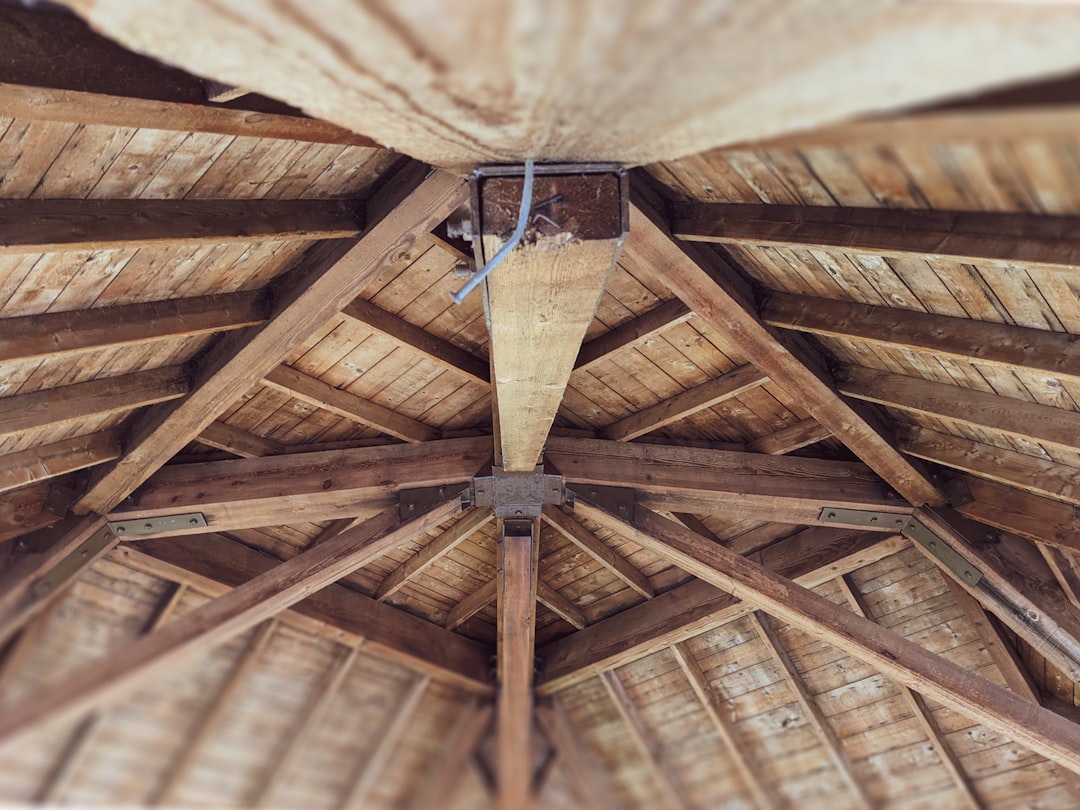
Our AI app can generate costed estimates in seconds.

CountBricks Guide to Installing Attic Fan in Homes

Case Study: Efficient Attic Fan Installation

A Buffalo homeowner faced high attic temperatures. CountBricks provided a voice estimate and selected a 1,600 CFM solar hybrid fan, resulting in a fixed-price contract without a site visit.

Installation Highlights

  • Crew arrived with pre-pulled permits and fan kit.
  • Roof deck opened and sealed by 10 a.m.
  • Electrical tie-in completed without additional breakers.
  • Fan operational by 2 p.m., reducing attic temperature by 21°F.

Performance Outcomes

  • 18% reduction in HVAC runtime.
  • Estimated payback in 2.4 summers.
  • Digital close-out package and rebate form provided.

Field Tips

  • Ensure adequate passive intake vents.
  • Pre-assemble fan housing for steep roofs.
  • Install humidistats in cold climates.

Next Steps

For efficient attic ventilation, leverage CountBricks' workflow. Request a voice estimate at CountBricks.com and secure a reliable crew for your project.
