

Cabinet pulls, knobs, and hinges might look like small details, yet they shape how homeowners experience kitchens, baths, and built-ins. The right hardware improves ergonomics, boosts property value, and completes the design vision. For residential builders, remodelers, and custom millwork shops, precise installation protects margins and schedules. Leveraging AI-driven estimating, voice-controlled takeoffs, and real-time material pricing can make installing cabinet hardware profitable and predictable.
Component Cost:
1. Verify cabinet overlay, stile width, and panel thickness with digital field sheets.
2. Choose hardware style and finish; compare live costs inside your dashboard.
3. Mark drill locations using printable templates adjusted to each pull length.
4. Pre-drill pilot holes at 3/32" to prevent wood splitting and ensure screw bite.
5. Drive mounting screws flush; labor calculators assume 25 seconds per screw for accurate scheduling.
6. Check alignment with a laser level; update any variance in the punch-list tool.
• Measure from a single datum line across the entire run to avoid “stair-step” hardware.
• Use a self-centering bit when drilling through shaker rails—reduces chip-out and speeds installation.
• Upsize screws to 8-32 on extra-wide pulls over 12" for long-term rigidity.
• Offer homeowners a sample board; AI adds the board cost to your allowance automatically.
• Log every finish selection in the mobile app to eliminate change-order disputes.
Field teams sometimes rely on tape measures and sticky notes, leading to misaligned rows. Voice entry captures dimensions hands-free and syncs them instantly to the office.
Designer pieces can require six-week shipping. Alerts during estimating when a SKU carries extended lead time, letting you propose in-stock alternates before the homeowner signs.
Extra bath vanities or mudroom lockers added late often derail budgets. Change-order modules recalculate labor and material on the spot, ensuring you stay profitable.
Traditional rule-of-thumb labor is 2-5 minutes per pull. Refined further:
These granular figures feed directly into your proposal, eliminating profit-eating underestimates.
Ordering 10% extra “just in case” ties up cash. AI cross-checks door and drawer counts against packages per box, rounding only to the nearest full pack and displaying real-time subtotal savings.
The platform isn’t just for hardware:
A custom builder managed 356 brushed brass pulls across a 4,200-sf renovation. Using voice takeoffs, the superintendent generated a hardware schedule in 12 minutes, saving two hours of manual counting. Live pricing shaved $1,140 off the original allowance, and drill templates reduced field install time by 18%.
Ready to upgrade how you approach installing cabinet hardware? Book a demo or start a free trial to create your first AI-powered estimate and experience friction-free hardware installs on your next residential project.
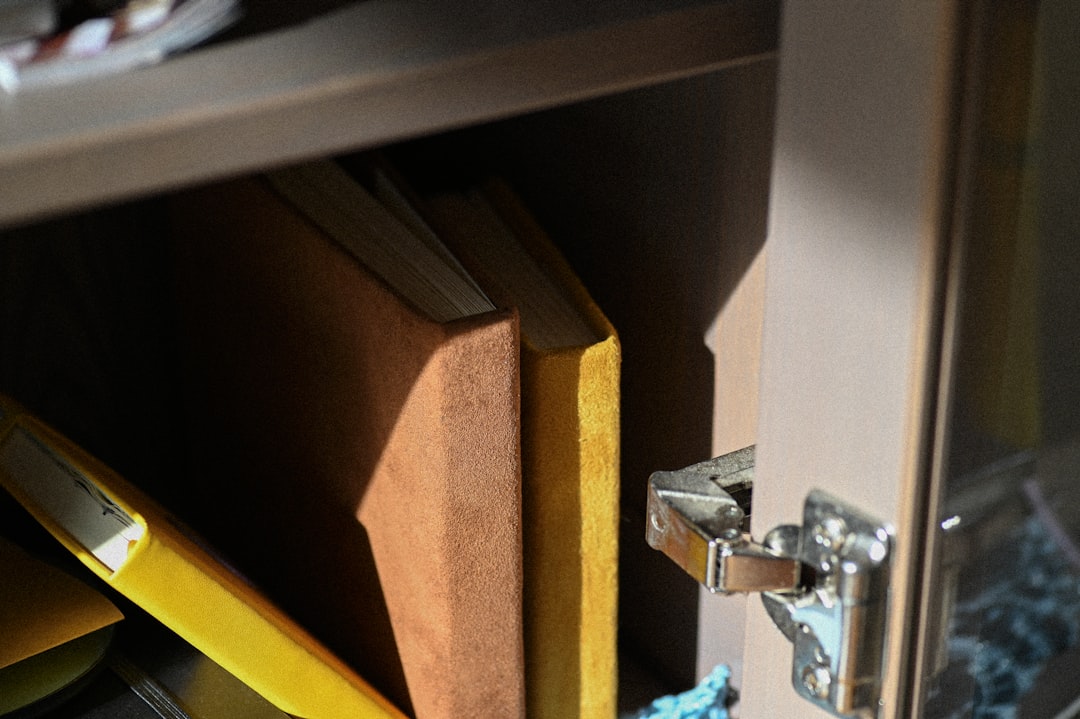
Residential construction isn’t limited to the kitchen perimeter. Mudroom lockers, built-in wardrobes, and basement bars all demand precision hardware placement. Adapting to each space, translating unique elevations into accurate takeoffs and labor budgets is crucial.
• Mudrooms: Hardware must withstand heavy use and wet gloves. Cost databases flag corrosion-resistant finishes and adjust labor for thicker beadboard panels.
• Wardrobes: Tall doors require center-line pulls. The platform auto-adds a second installer for oversized doors when labor exceeds OSHA’s 50-lb solo lift guideline.
• Entertainment Built-ins: Push-to-open latches eliminate visible pulls. Recalculates install time because latches require mortising—often overlooked during bidding.
1. Client portal presents 3D renderings of each hardware style on actual cabinet models, reducing indecision meetings by 45%.
2. Homeowners sign off digitally; selections feed straight to purchase orders, eliminating transcription errors.
3. Post-installation, the homeowner receives a maintenance guide branded with your logo, fostering long-term referrals.
• Cabinet fabricators receive QR-coded drill maps, ensuring factory and field teams share identical data.
• Interior designers can comment on finish selections within the platform, creating a single source of truth.
• Service technicians access installed hardware SKUs through the mobile app, speeding warranty replacements.
Dashboards track key performance indicators:
Teams leveraging these insights report up to 22% labor savings and 17% higher client satisfaction scores across multi-phase residential builds.
Installing cabinet hardware is just one of dozens of finish-stage tasks optimized. From tile square-footage to lighting schedules, the same AI engine accelerates every estimate and protects every margin.
