

For construction professionals, accurately estimating home theater installation costs is crucial. In 2026, the typical cost ranges from $10,000–$60,000, depending on the project's complexity and location. This guide provides a detailed breakdown of costs, helping you provide precise quotes and avoid overestimating.
• Screens and projectors or large-format TVs
• Surround-sound receivers, speakers, subwoofers, and in-wall wiring
• Source components such as streaming devices, Blu-ray players, and gaming consoles
• Smart control hubs, lighting dimmers, and acoustic treatments
Typical range: $4,000–$25,000 depending on screen size and audio ambitions.
Skilled labor is essential for a successful installation. Tasks include framing, electrical work, low-voltage cabling, insulation, drywall, painting, and finish carpentry. Accurate task lists and labor hours are crucial for precise estimates.
Typical range: $3,500–$12,000, influenced by room size, ceiling height, and existing wiring conditions.
• Demolition of existing finishes
• Framing risers for tiered seating
• Acoustic panel installation and sound-proofing
• HVAC modifications for quiet airflow
• Custom cabinetry for components and media
Typical range: $2,500–$15,000, with sound isolation often being the biggest variable.
For a 250-square-foot room, the national median cost is around $20,000. In areas like Los Angeles, costs can be 8–12% higher due to labor rates and permitting.
1. Walk the space with your phone and describe desired features.
2. AI transcribes and tags every material and task in real time.
3. A complete, itemized quote appears in your inbox before you leave the room.
• Upload PDFs to CountBricks.com
• Automated detection quantifies wall area, wiring runs, and fixture counts
• Costs pull from live material databases for up-to-date estimates
• Pre-wire during larger renovations to avoid opening finished walls later
• Use in-ceiling Atmos speakers instead of costly on-wall arrays
• Opt for acoustical paint behind fabric panels rather than full wall-to-wall treatments
• Combine HVAC and sound isolation work orders to reduce mobilization fees
• Choose dimmable LED strips instead of integrated fiber-optic star ceilings
Invest in areas that enhance the experience, such as front-firing subwoofers, quality AVRs, and professional acoustic calibration.
Permits: Municipalities often require low-voltage and structural permits for seat risers.
Ventilation: Adding sound insulation can trap heat, requiring additional ventilation solutions.
Furniture: Power-reclining chairs and floor outlets add to costs.
Network Upgrades: Ensure robust Wi-Fi for 4K streaming.
Consider phased construction schedules and milestone billing to manage cash flow effectively.
• AI estimates reduce pre-construction time by 65%
• Voice-first interface minimizes site visits
• Integrated invoicing aligns subs, suppliers, and clients
• Specialized crews ensure quality outcomes
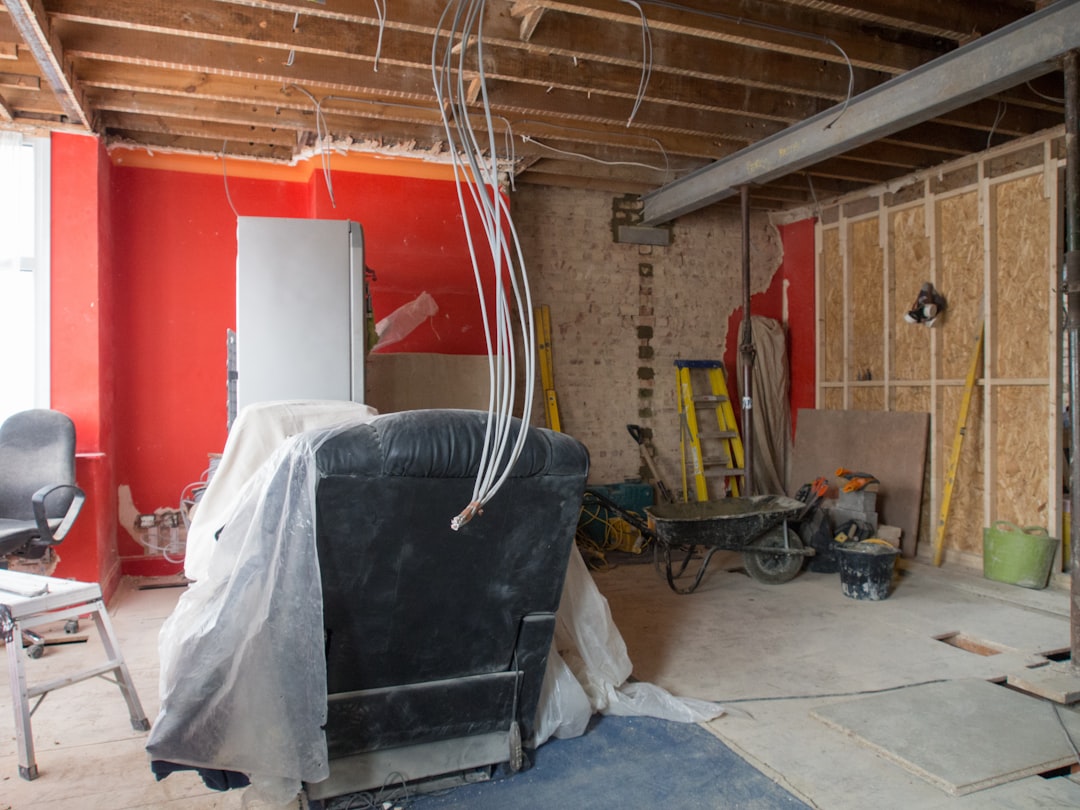
In Pasadena, a garage conversion project was estimated at $32,400, with final costs aligning closely. Here's the breakdown:
• Equipment: $14,800 for a 120-inch ALR screen, 4K projector, and 7.2.4 Atmos system
• Labor: $8,950 for framing, electrical, HVAC, and carpentry
• Room Build-Out: $6,700 for acoustic insulation and seating riser
• Contingency & Permits: $1,950 for structural bracing and inspections
1. Early Sound Planning: Avoid costly after-the-fact acoustic panels.
2. HVAC Efficiency: Use mini-splits for quiet cooling.
3. Phased Purchasing: Lock hardware prices to avoid inflation spikes.
• Allocate 10% of the budget for furnishings and décor.
• Consider ultra-short-throw projectors for limited ceiling height.
• Bundle electrical and low-voltage scopes to reduce labor hours.
Every project is unique, but leveraging AI and real-time pricing ensures efficient and accurate estimates. Start your project today at CountBricks.com.
