CountBricks Metal Frame Basement Solutions | Residential
Price source: Costs shown are derived from our proprietary U.S. construction cost database (updated continuously from contractor/bid/pricing inputs and normalization rules).
Eva Steinmetzer-Shaw
Head of Marketing
Build Smarter: The Rise of the Metal Frame Basement
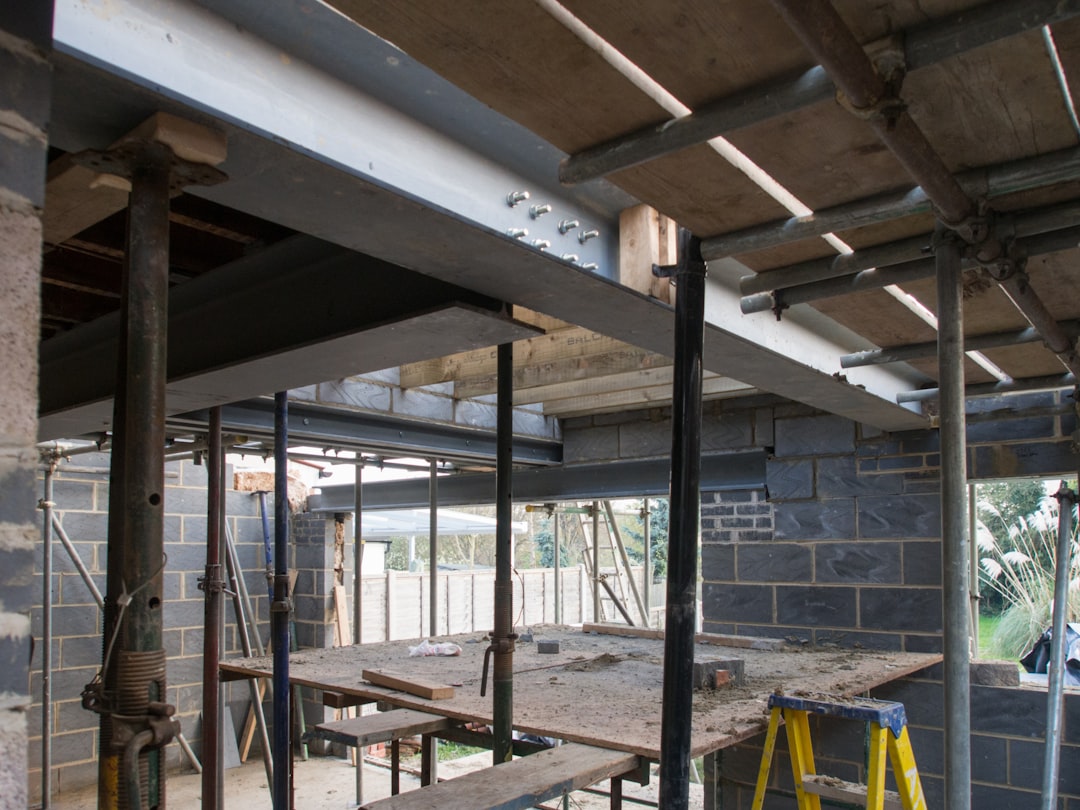
Metal frame basements are gaining traction among construction professionals due to their durability and efficiency. With costs ranging from $9.25–$15.50 per square foot, including fasteners and light-gauge headers, metal framing offers a moisture-resistant and stable solution. This article explores the advantages of metal framing, installation workflows, and cost considerations for trade professionals.
How CountBricks Streamlines Every Phase
1. AI Blueprint Takeoffs in Minutes
Upload your plans to CountBricks and receive precise takeoffs in seconds, eliminating manual counting and reducing budget overruns.
2. Live Material Costing
Stay updated with real-time pricing from local steel suppliers, ensuring your quotes reflect current market conditions.
3. Voice-Driven Field Estimates
Use the CountBricks app to generate detailed proposals on-site, including labor and material costs.
4. Instant Document Generation
Deliver professional proposals quickly, enhancing client trust and project transparency.
Why Metal Outperforms Wood Below Grade
- Dimensional Stability: Steel studs maintain their shape, preventing drywall cracks.
- Mold Resistance: Metal eliminates the organic material mold needs to grow.
- Fire Safety: Non-combustible framing enhances safety and may reduce insurance costs.
- Lightweight Handling: Easier logistics with metal studs compared to lumber.
- Cleaner Finish: Pre-punched holes facilitate neat electrical and plumbing installations.
Cost Breakdown: What Professionals Need to Know
Average costs for metal frame basements range from $9.25–$15.50 per square foot. Factors influencing costs include steel gauge, ceiling height, insulation type, and site access.
Sample 1,200-Sq-Ft Basement
- Framing & Track: $11,100–$16,800
- Insulation & Vapor Control: $2,800–$5,400
- Fasteners, Adhesives, Misc.: $525–$875
- Total Framing Package: $14,425–$22,675 before drywall
Installation Workflow with CountBricks Crews
Pre-Construction
- Virtual kickoff to review goals and code requirements.
- Site laser scan for custom track shims.
Day-by-Day Schedule
- Layout: Install bottom track with concrete anchors.
- Wall Framing: Stand studs, plumb, and secure.
- Utility Rough-ins: Use factory knockouts for wiring and plumbing.
- Insulation & Air Seal: Apply insulation and seal penetrations.
- Quality Walkthrough: Use augmented checklists to ensure quality.
Frequently Asked Questions
Will a metal frame basement feel colder?
No, with proper insulation, metal frames perform as well as wood in thermal tests.
Can I hang heavy shelving on steel studs?
Yes, with added plywood backing or structural stud gauges.
Is galvanic corrosion an issue?
Proper detailing and coated studs prevent corrosion.
Counting the Environmental Impact
Metal framing is eco-friendly, with recycled content and recyclability, contributing to green certifications.
Ready to Frame Your Future
For durable and efficient basement solutions, explore metal framing with CountBricks. Visit CountBricks.com for more information.
Case Spotlight: Smith Family Basement Refresh
The Smiths transformed their basement with a metal frame solution, achieving a mold-resistant and energy-efficient space. CountBricks delivered a fixed-price quote quickly, and the project was completed 40% faster than traditional methods.
Project Highlights
- AI takeoff provided a quote within hours.
- 1,050 linear feet of track and studs installed efficiently.
- Moisture sensors integrated for ongoing monitoring.
Performance Results
- Humidity reduced significantly without dehumidifiers.
- Improved wall R-value over code minimums.
- No warranty claims after 18 months.
Pro Tips from the CountBricks Field Team
- Use a cold-cut saw for clean cuts.
- Apply acoustical sealant to reduce sound transfer.
- Specify self-tapping screws for ease of installation.
- Label panels with QR codes for efficient assembly.
Next Steps
Interested in metal framing for your project? Visit CountBricks.com to schedule a consultation and explore our portfolio.