

For Atlanta-area footing work in 2026, plan mini excavator equipment hire costs (compact excavator rental rates) in these working ranges, assuming a modern rubber-track machine delivered to a typical metro site with standard 8-hour/day utilization: $300–$525/day, $900–$1,650/week, and $2,600–$4,400/28-day month for the most common 3–4 ton class used for residential and light commercial footing trenches. Smaller 1–2 ton units can price lower when access is tight, while 5–6 ton units price higher but reduce cycle time in Atlanta’s dense clay and mixed fill. Major providers that frequently service Atlanta include national fleets (e.g., United Rentals, Sunbelt, Herc) plus regional independents; your final hire rate is typically driven more by availability, transport distance, and attachments than by the logo on the machine.
| Vendor | Daily Rate | Weekly Rate | Review Score | Website |
|---|---|---|---|---|
| Sunbelt Rentals (Atlanta) | $225 | $795 | 8 | Visit |
| United Rentals (Atlanta) | $280 | $750 | 8 | Visit |
| Herc Rentals (Atlanta) | $289 | $786 | 9 | Visit |
| Talisman Rentals (Metro Atlanta) | $495 | $1 535 | 9 | Visit |
“Mini excavator” can mean anything from a micro unit that fits through a gate to a 6-ton class compact excavator with hydraulic auxiliary flow. For digging footings, Atlanta estimators typically target the 3.5–4 ton class because it balances reach, trench depth, and spoil handling without requiring full lowboy logistics. Home Depot’s 3.5–4 ton category (delivery-only in many markets) highlights typical capability around ~11 ft dig depth and ~7,900 lb operating weight, which aligns well with many footing trench requirements when the site has reasonable swing clearance and spoil stacking room.
From a cost-control standpoint, your first scoping decision should be: Is the excavator only digging, or also placing stone, moving forms, handling rebar bundles, and cleaning trench bottoms? If you need material handling, budget for a hydraulic thumb and confirm the coupler/aux plumbing before dispatch—retrofits, swap-outs, and “wrong attachment” re-deliveries are a common hidden cost driver in metro Atlanta.
Use these as planning bands for equipment hire cost estimates (not guaranteed quotes). National pricing guides commonly place 3–4 ton minis around $350–$500/day, $1,000–$1,500/week, and $2,500–$3,800/month, with smaller micros and larger 5–6 ton units bracketing above and below that range. For 2026 Atlanta planning, many contractors add a 5%–12% escalation allowance versus older “rule-of-thumb” numbers due to transport, labor, and fleet utilization pressures—especially during spring/early summer when grading and foundation work peaks.
Atlanta-specific note: when projects are inside I-285 (or require timed downtown/West Midtown delivery), the transport component can be a larger share of total hire cost than on exurban sites. If you can accept a wider delivery window (e.g., “deliver any time between 7:00–11:00”), you can often avoid premium dispatch or redelivery fees.
Mini excavator hire pricing rarely fails because the base day rate was wrong—it fails because the job absorbs “extras” that weren’t carried in the estimate. For digging footings in Atlanta, cost swings commonly come from (1) transport and access constraints, (2) runtime/overtime rules, (3) attachment packages, and (4) cleaning/return condition in red clay or wet-weather conditions.
Budget transport as its own line item even if a supplier “includes” it in a quote—because a change order often unbundles it. Typical planning allowances for metro Atlanta mini excavator delivery/pickup are:
Operational constraints that affect cost in Atlanta include narrow residential streets, HOA gate restrictions, and limited laydown space on infill lots. If your drop zone is on a slope or requires a winch-off/assist, confirm that in advance—special handling often costs more than a standard tilt-deck unload.
Most large rental contracts define “one shift” as 8 hours/day, 40 hours/week, and 160 hours/4 weeks. When you exceed those thresholds, overtime is typically billed by a contract formula rather than “free.” For example, Herc’s published method ties excess use to fractions of the base charge (e.g., 1/8 of the daily for daily rentals, 1/40 of the weekly for weekly rentals, and 1/160 of the 4-week charge for 4-week rentals). Translate that into estimating terms: if your day rate is $420, each overtime hour can price at roughly $52.50/hr (420 ÷ 8) plus taxes/fees, depending on contract language.
Practical estimator tip: footing crews often want to “finish the trench” late to keep inspection on track. Carry an overtime allowance such as 2 extra hours/day for 2 days (4 overtime hours total) if the schedule is tight or if weather is forecast. That single decision can add $200–$300 to a short-term hire—cheaper than losing a day to re-mobilize, but expensive if it wasn’t carried.
A base mini excavator rental often includes one general-purpose bucket, but the job rarely stays “base.” For digging footings, common adders (planning ranges) include:
If the footing scope includes rock or old concrete (common on Atlanta tear-down/rebuild sites), a breaker may be required. Published rental guides show mini-excavator-class hydraulic hammers commonly priced around $170–$245/day and $510–$735/week depending on size/energy class.
Even when you’re only hiring the machine (no operator), your account can be charged for refuel, cleaning, or missing accessories. Carry explicit allowances:
Atlanta’s clay soil is a real cost driver: packed tracks increase machine load, reduce travel efficiency, and raise cleaning time. On tight inspection schedules, crews often wash down at end of day; if washout is restricted (many urban sites), you may need a contained washout plan or a vacuum service to stay compliant—another indirect cost that follows the equipment hire decision.
To keep mini excavator hire costs predictable, separate “base rent” from “contract charges.” Typical planning allowances you’ll see in Atlanta accounts include:
Marketplace and broker models frequently define rental time around shifts. BigRentz describes a week as five 8-hour shifts over seven calendar days, and a month as twenty 8-hour shifts over a 28-day period—useful when explaining to PMs why “we only used it 3 days” still converts to a weekly minimum in certain scenarios.
Similarly, DOZR notes 8-hour/day assumptions and illustrates how an extension decision on Monday can trigger additional full-day charges; the takeaway is to plan extensions before cutoffs and align field intent with billing structure.
Scenario: 24 ft × 40 ft single-story addition in East Atlanta. Continuous footing trench: 18 in wide × 24 in deep, plus two pier pads. Site constraints: narrow driveway (one vehicle wide), limited spoil area, and deliveries must avoid school pickup traffic. You choose a 3.5–4 ton mini excavator with a 24 in bucket and add a hydraulic thumb for handling roots and small demo debris.
Planned hire total (equipment-related): about $2,332 before taxes/administrative fees. If the job slips and you keep the unit into a 6–7 day window, you should re-price to a weekly rate early; converting at the right time is one of the biggest controllable levers in mini excavator equipment hire costs.
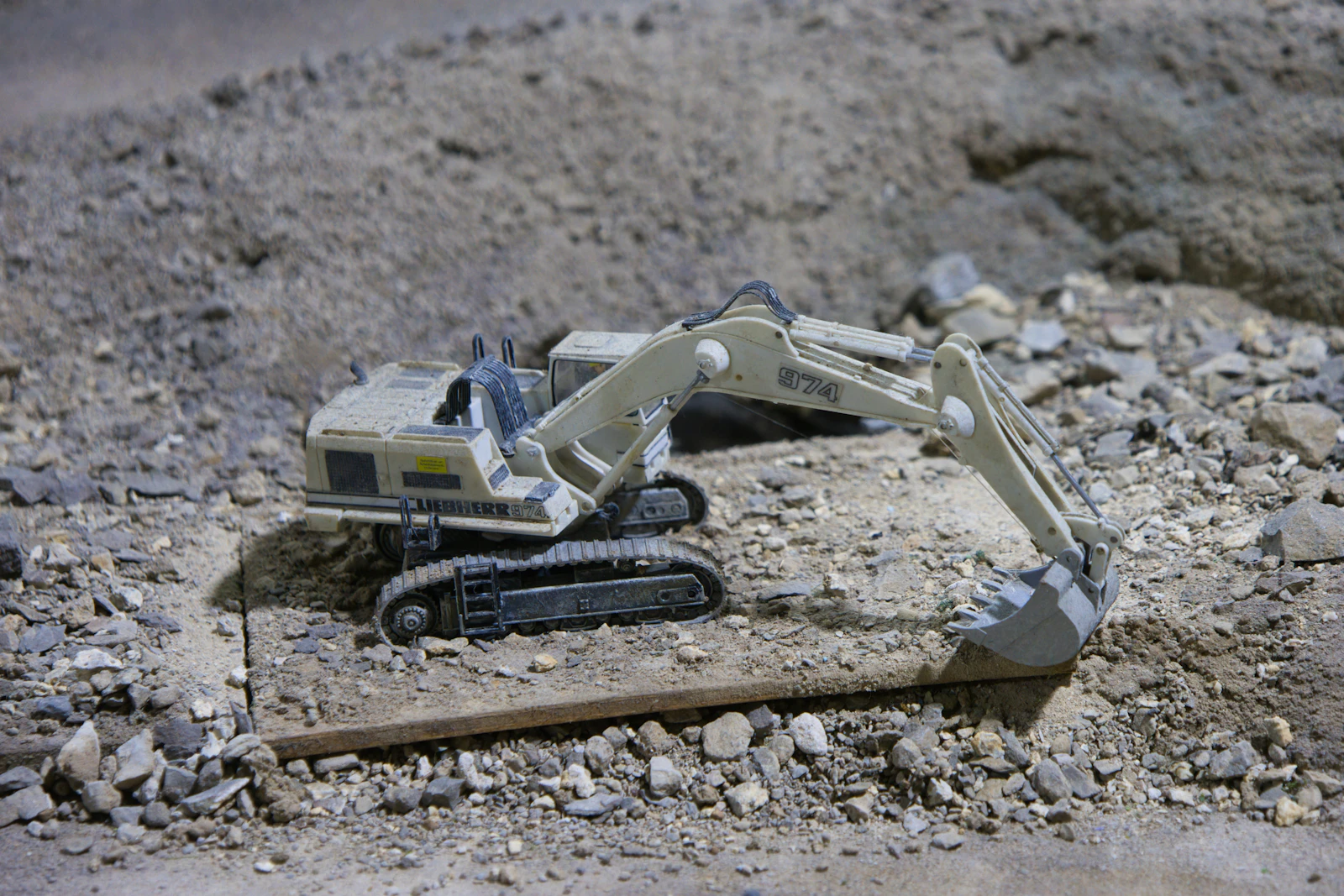
Atlanta footing work frequently combines tight access, mixed soils, and aggressive schedules driven by inspections. These realities affect equipment hire costs because they change the total billed time and the probability of chargeable events (redelivery, cleaning, overtime, and attachment swaps).
Inside the Atlanta metro core, dispatch reliability is often constrained by peak traffic. If your crew can only accept delivery in a narrow window, carry a premium allowance of $50–$150 for time-specific dispatch or anticipate a higher base delivery charge. Conversely, if you can accept a broader window, you reduce the chance of a missed delivery and a $100–$250 redelivery/dead-haul type charge. The practical control is site readiness: confirm access width, overhead clearance, and a stable drop zone before the truck rolls.
For footing work, it’s common to “hold” the mini excavator for backfill or to clean up after forms are stripped. That convenience can be expensive if the rental converts into a longer billing period. Two tactics help:
Where contracts are shift-based (8/40/160), align the PM and superintendent on what counts as “a week.” BigRentz and other marketplaces commonly describe a week as five 8-hour shifts, and a 28-day month as twenty 8-hour shifts—helpful language when reconciling invoices.
If you’re tracking mini excavator hire costs to the activity level, attachments should be evaluated by whether they reduce labor hours or prevent rework. For example:
Also confirm “small parts” that can become chargebacks: bucket pins, retaining clips, tooth hardware, and hydraulic quick-connect dust caps. A missing pin kit can be billed at $25–$90 depending on the supplier and machine.
From a rental coordinator perspective, the biggest invoice surprises tend to be coverage gaps and administrative charges, not the day rate. Carry the following planning placeholders in your 2026 Atlanta hire estimates (then replace with contract-specific numbers):
Overtime billing can also intersect with coverage—Herc’s published guidance shows excess use billed by fractions of the base time charge (e.g., 1/8 of daily per extra hour), so if a superintendent runs extended shifts to meet concrete placement dates, the invoice can increase even when the machine never leaves the site.
Atlanta’s climate and soils create predictable cleaning risk. Summer storms can turn excavations into mud quickly, and red clay packs into tracks and undercarriages. To keep hire costs stable:
Local consideration: on many infill sites, there is no legal/approved washout area. If you cannot wash the machine down on-site, plan to spend $40–$90 on disposable track-out protection materials (or rent a small pressure washer separately) to reduce cleaning exposure.
Digging footings is production-driven. A smaller unit may be cheaper per day but more expensive per footing due to cycle time and spoil handling. In Atlanta clay or mixed fill:
Use this rule when estimating: choose the smallest machine that meets depth/reach and access requirements without creating handwork, overtime, or schedule risk.
Two macro points matter for 2026 planning: (1) rental availability tightens during grading/foundation season, and (2) transport and labor costs can push delivered prices up faster than the posted day rate. Nationally, DOZR’s data-driven guidance highlights that “mini excavator” pricing spans a wide band (often cited around $150–$400/day depending on size/market), and that switching from daily to weekly typically improves effective cost when the work runs longer than a few days. Use that as a sanity check when reviewing Atlanta quotes: if a daily is low but delivery, waiver, and attachments are high, your all-in may still land in the expected national band.
Finally, if you are purchasing through an online marketplace or a national fleet portal, remember that many systems display day/week/28-day rates and then apply transport and protection charges separately—so carry those as explicit estimate lines rather than assuming “all in.”
