

For mini excavator equipment hire in Austin (planned for 2026), budget $225–$575/day, $850–$2,150/week, and $2,450–$5,650/28-day month for the machine only, assuming a standard 8-hour shift, normal wear, and no operator. Austin marketplace averages can sit in the low-$400s/day depending on class and availability, and daily pricing frequently tightens in peak construction months. These planning ranges align with published rate sheets for comparable mini excavator classes (e.g., $200–$550/day examples by model/weight). In Austin, national providers such as United Rentals, Sunbelt Rentals, and Herc Rentals (plus regional CAT dealers and independents) typically quote by day/week/28-day “month,” then layer on hauling, protection plans, and shift-hour rules that materially change the true hire cost.
| Vendor | Daily Rate | Weekly Rate | Review Score | Website |
|---|---|---|---|---|
| United Rentals | $410 | $1 230 | 9 | Visit |
| Sunbelt Rentals | $390 | $1 170 | 9 | Visit |
| Herc Rentals | $370 | $1 110 | 7 | Visit |
| EquipmentShare | $385 | $1 155 | 7 | Visit |
| The Home Depot Rental | $360 | $1 080 | 9 | Visit |
2026 planning assumptions (use on estimates/POs): one day = one 8-hour shift, one week = five 8-hour shifts, one month = twenty 8-hour shifts over 28 days. Many online catalogs also present “monthly” as 28 days. Taxes, environmental fees, consumables, delivery, attachments, and overtime hours are not included in the base rate.
Machine-only hire ranges by common mini excavator class (Austin, 2026 planning):
Reality check using published single-line examples: one documented rate sheet example for a Bobcat 331 mini excavator shows $432/day, $1,219/week, $2,695/month. Use these as calibration points when reviewing Austin quotes that appear out of band.
Basement waterproofing (or below-grade perimeter waterproofing/drainage) drives mini excavator rental decisions differently than open-site trenching. The cost is often dominated by access constraints (machine size and delivery method), spoil handling (where you can stage soil), and return-condition requirements (clay/mud cleanout). In Austin specifically, plan for: (1) expansive clays that stick to tracks and increase cleaning time/fees; (2) limestone/caliche pockets that can trigger a breaker/rock bucket adder; and (3) tight urban lots and congestion that increase dry-run risk and narrow delivery windows (often missed when the crew is waiting on locates or homeowner access).
Most rental contracts assume one-shift use in the base day/week/4-week rate (commonly 8 hours/day, 40 hours/week, 160 hours/4 weeks). If you exceed that, overtime is frequently billed using a fraction of the base rate (e.g., 1/8 of the daily charge per extra hour on a daily rental, and 1/40 of the weekly charge per extra hour on a weekly rental).
Example (overtime math you can use on a quote review): if the mini excavator is $400/day, overtime at 1/8/day is $50/hour. Two extra hours/day for three days adds $300 to the ticket (2 hrs × 3 days × $50/hr), before taxes/fees.
Estimator note: for waterproofing digs, overtime happens when the excavation stays open and you push daylight to get membrane + drain + backfill completed. Decide early whether you want (a) longer planned rental duration at base shift rates, or (b) fewer days plus overtime hours.
Hauling is where “cheap daily rates” get expensive. Delivery policies vary by market, but some providers describe “local delivery” as commonly 25–50 miles depending on the market and hauler availability. For Austin budgeting, use one of these allowance styles on your estimate (confirm at order):
Austin-specific delivery considerations: (1) jobs near Central Austin often require tighter delivery windows to avoid neighborhood restrictions and school traffic; (2) if your trench is in a backyard with limited gate width, you may need a smaller class machine and/or a different unload location; (3) if the site is on a slope with limited turnaround, request the hauler’s minimum turning radius and confirm whether a pilot car or additional spotter time is required (commonly billed at $85–$140/hour in practice when third-party hauled).
Basement waterproofing work typically needs at least one trenching bucket plus a grading bucket; rock conditions can require a breaker. Use these 2026 adders as planning allowances (verify availability and coupler style):
Quick coupler note: if the mini excavator is not already equipped with a compatible coupler, you can lose half a day swapping buckets manually and risk a return-condition dispute. Confirm coupler type and pin grabber condition before dispatch.
For excavator-class rentals, you should expect to provide proof of contractor’s equipment insurance (or accept a protection plan) depending on the supplier and program. For waterproofing work next to an occupied structure, also align on who owns: (1) utility locate compliance and potholing, (2) ground protection mats to protect flatwork/landscaping, and (3) vibration control if you are breaking caliche near a foundation wall.
Practical Austin control: if your work is in heat advisories, plan operator breaks and idling management; higher idle hours can push you into overtime shift billing and can become a dispute point if the contract is meter-hour based.
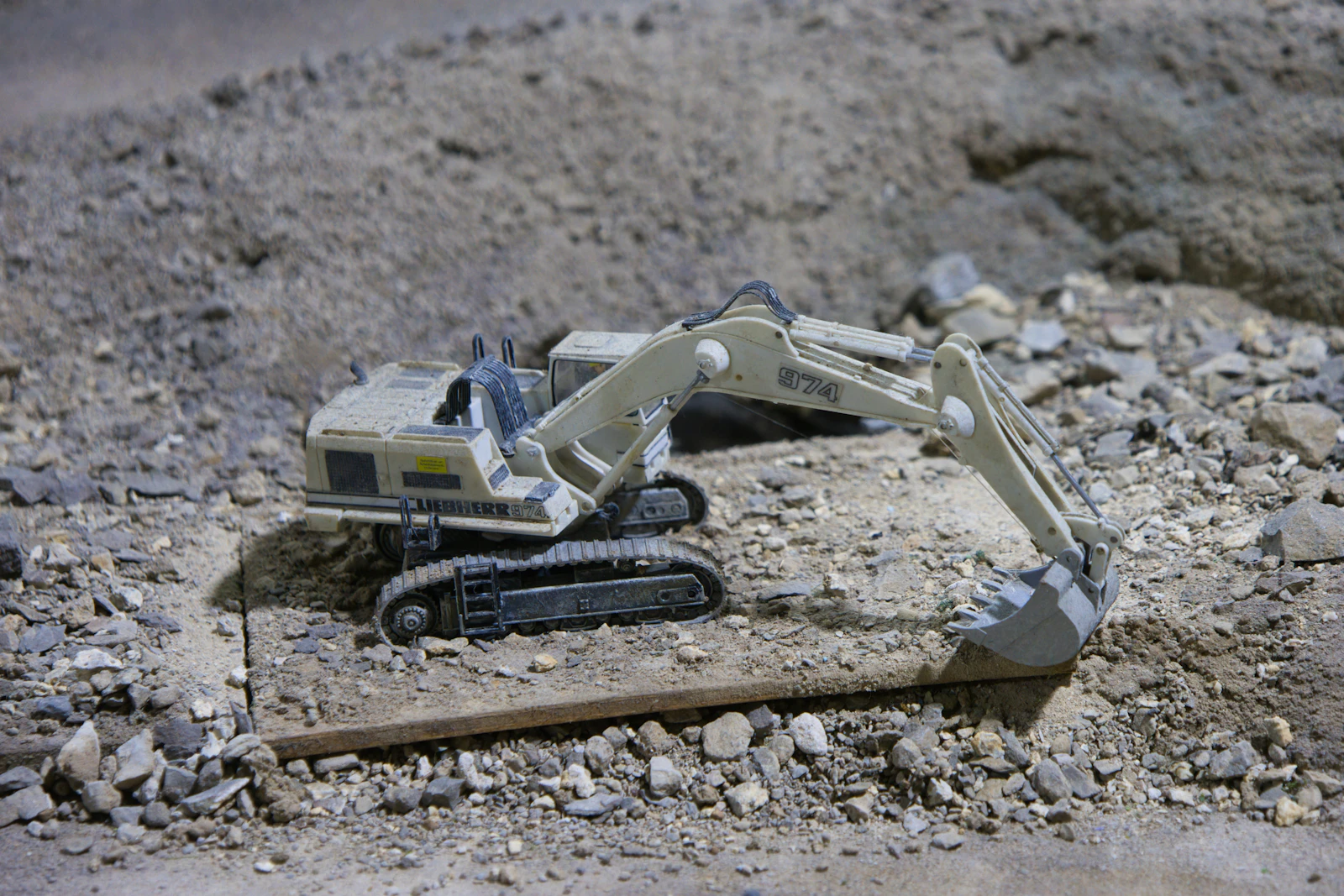
Scenario: 1 residential waterproofing perimeter trench along ~60 linear feet of foundation, 6–7 ft deep, tight side yard access (gate 42 in), spoils staged on driveway with protection, work scheduled Thursday–Saturday.
Operational constraint that changes total cost: if the rental house requires off-rent notification by 2:00–3:00 PM and your backfill runs late Saturday, you may be billed an extra day (often wiping out the perceived savings of choosing daily rates over weekly).
To keep mini excavator hire costs predictable on waterproofing work in Austin, treat the “machine rate” as only ~50%–70% of the final ticket. The balance is usually hauling, attachments, protection plans, and shift-hour exposure. If you are comparing quotes, normalize them to the same basis (8-hour shift, same attachment set, same round-trip hauling miles, same fees) before you choose a supplier. Also remember that online catalogs often display daily/weekly/monthly rates after you enter a ZIP code and “monthly” may be a 28-day period.
