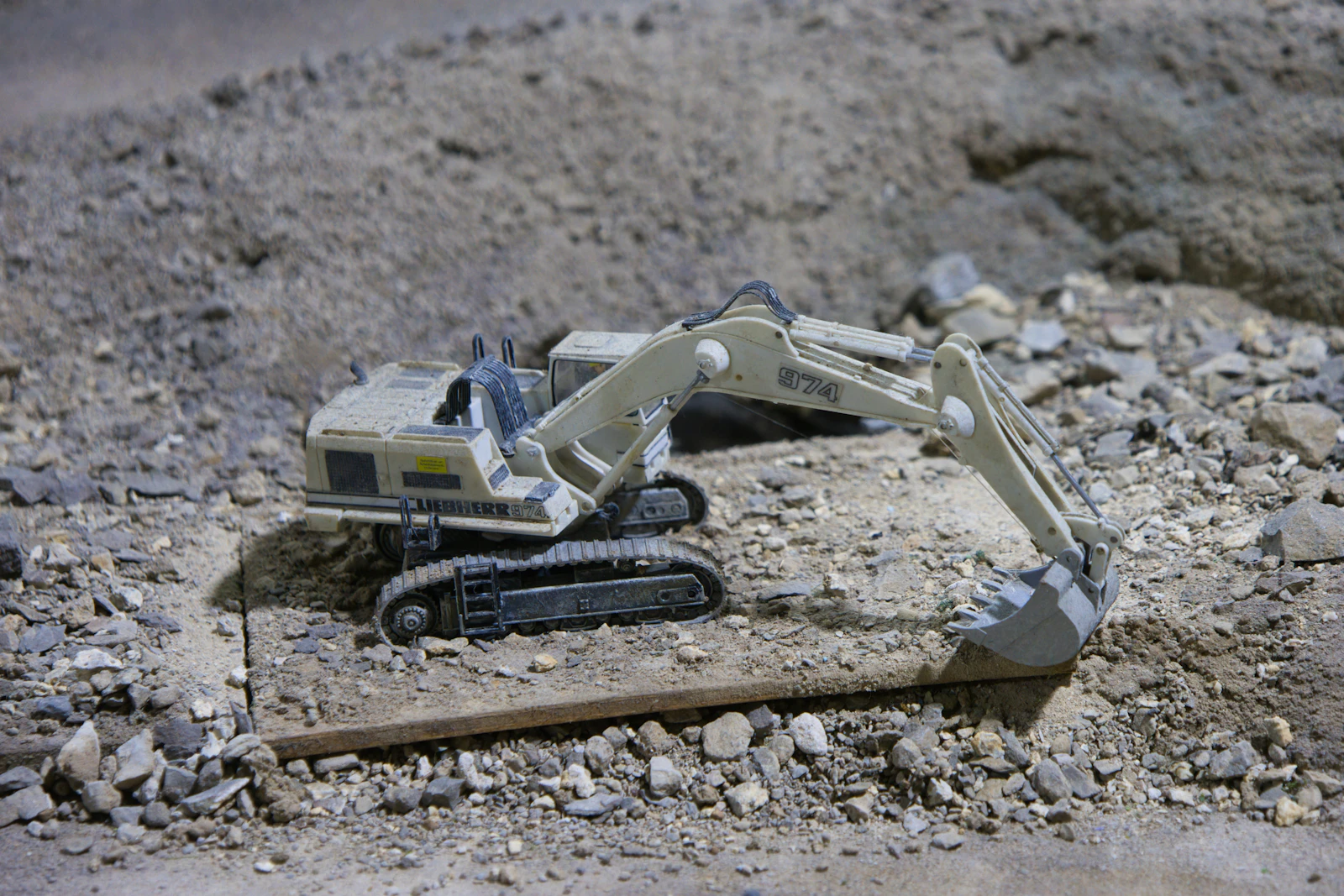
Mini Excavator Rental Rates in Austin (Daily/Weekly) — 2026 Costs
Construction Cost Hub – Austin
Price source: Costs shown are derived from our proprietary U.S. construction cost database (updated continuously from contractor/bid/pricing inputs and normalization rules).
Eva Steinmetzer-Shaw
Head of Marketing
For commercial tenant improvement (TI) work in Austin, 2026 budgeting for mini excavator equipment hire typically lands in the following planning bands (machine-only, before tax/fuel/attachments): $250–$475/day, $950–$1,650/week, and $2,400–$3,900 per 4-week for common 3–6 ton compact units, with tighter access or higher-spec (cab/zero-tail-swing) packages trending toward the top of the range. In the Austin market, rental coordinators frequently source these units through national fleets (e.g., United Rentals, Sunbelt Rentals, Herc Rentals) as well as regional independents and broker networks; actual hire cost moves most on delivery logistics, engine-hour exposure, and attachment package (thumb/breaker/auger) rather than the base day rate alone.
| Vendor |
Daily Rate |
Weekly Rate |
Review Score |
Website |
| United Rentals |
$280 |
$750 |
9 |
Visit |
| Sunbelt Rentals |
$225 |
$795 |
8 |
Visit |
| Herc Rentals |
$425 |
$1 220 |
8 |
Visit |
| EquipmentShare |
$255 |
$730 |
6 |
Visit |
Mini Excavator Rental Rates Austin 2026
The rate ranges below are structured the way most equipment hire MSAs are written for compact earthmoving: 1 day = 1 shift (commonly 8 engine hours), 1 week = 5 shifts, and “monthly” = a 4-week/28-day billing period (often 20 shifts). Always confirm the billing calendar and included hours on your quote and PO notes.
2026 Austin planning ranges by typical mini excavator class (bare machine):
- 1–2 ton micro/mini excavator (tight interior courtyards, alley access): $225–$350/day, $850–$1,250/week, $2,100–$3,100 per 4-week (often open canopy, minimal options).
- 3–4 ton mini excavator (most TI utility trenching and small pads): $275–$425/day, $1,000–$1,500/week, $2,400–$3,500 per 4-week.
- 5–6 ton mini excavator (grease interceptors, deeper trenching, harder dig): $325–$475/day, $1,200–$1,650/week, $2,900–$3,900 per 4-week.
Reality-check against published/market signals: Austin mini excavator daily pricing commonly clusters around the mid-$300s depending on class and availability; published rate sheets also show compact units around $350–$400/day, $1,050–$1,200/week, and $2,400–$2,600 per month for a zero-tail-swing package. Use those as anchors, then adjust for your TI constraints (downtown access, night delivery, attachments, and surface protection).
What Drives Mini Excavator Equipment Hire Costs on Austin TI Sites?
In commercial TI, the total mini excavator hire cost in Austin is usually driven by a short list of jobsite constraints that force you to rent a “more expensive than necessary” configuration, or to pay extra days because off-rent isn’t clean:
- Access and tailswing: For strip centers and downtown retrofits, reduced/zero tailswing often avoids barricade rework and flagged pedestrian routes, but it can add a noticeable premium versus a standard unit of similar weight.
- Cab vs. canopy: Enclosed cab (HVAC, improved dust control) can be a cost-effective “risk reducer” for Austin summer heat and for TI sites running near occupied tenant spaces; expect higher hire cost and stricter cleaning expectations.
- Machine weight class and transport method: Once you push into heavier minis (10,000–12,000 lb), the transport carrier (tilt-bed vs. larger rollback/lowboy) and delivery windows can change, which is where hidden costs start.
- Soil/rock conditions in Austin: Limestone and hard caliche can make a “standard bucket only” package unrealistic. When a tooth bucket, ripper, or breaker becomes mandatory, your attachment adders (and wear exposure) can exceed the base day rate on short scopes.
- Engine-hour exposure: Many agreements treat 8 engine hours/day as the included “shift.” If your TI schedule forces extended hours (e.g., night work to avoid customer traffic), overtime hour charges can materially change the line item.
Attachments And Add-Ons That Change Mini Excavator Hire Pricing
For TI scopes, attachments are often where estimators under-carry. Plan the attachment package the same way you plan labor: by task, by day count, and by deliverability.
- Additional buckets: Many programs include one bucket; extra trenching/smooth buckets commonly carry $25–$60/day per bucket (or a weekly equivalent).
- Hydraulic thumb: For demolition debris handling and selective removals, budget $50–$95/day (or specify “machine must arrive with thumb installed” to avoid field delays).
- Hydraulic breaker/hammer: For limestone, old concrete stoops, or thickened slab edges, budget $175–$325/day plus a wear/consumables clause in some agreements (bit/shank wear can be excluded).
- Auger drive + bits: For sign footings or fence relocations, budget $150–$250/day for the drive and $25–$45/day per auger flight/bit depending on diameter.
- Coupler/quick-attach: If you’re swapping bucket-to-breaker-to-auger, a coupler can reduce labor and risk; budget $20–$40/day if it isn’t already on the unit.
- Surface protection: For TI deliveries across finished paving, pavers, or sensitive sidewalks, carry $75–$180/day for ground protection mats (often billed separately from the excavator hire).
Hidden-Fee Breakdown
To keep mini excavator equipment hire costs predictable on Austin TI projects, treat the “hidden fees” below as standard estimating allowances unless your quote explicitly includes them.
- Delivery / pick-up (flat vs. mileage): Common structures include $150–$250 each way within a short radius, or a base + mileage model such as $120 each way + $3.00–$4.00 per loaded mile. Also watch for a $200–$300 minimum round-trip delivery even on short hauls.
- Delivery windows and cutoffs: Downtown Austin deliveries may require early windows (e.g., 7:00–9:00 AM) or pre-staging approvals. Missed appointments can trigger $75–$175 re-dispatch fees.
- Damage waiver / rental protection: Damage waiver is frequently quoted as a percent of base rent; published examples show 10%, and many fleets run 10%–15% depending on program. This is not liability coverage and often excludes misuse and wear items.
- Environmental/administrative fees: Plan 2%–5% as a combined shop/environmental/admin charge if your vendor’s terms include it (varies by account).
- Fuel and refuel charges: If the mini excavator is returned under-fueled, budget a refuel service fee of $45–$85 plus fuel at $7–$12/gal (vendors often bill above pump price). For TI, specify “return full” in closeout to avoid end-of-job surprises.
- Cleaning fees (mud/concrete/dust): For compact earthmoving, cleaning commonly triggers when tracks are packed with clay or when concrete splatter is present. Budget $175–$450 depending on severity, and assume an automatic fee if you return it with wet concrete or adhesive contamination.
- Late return / extra day triggers: A pickup scheduled after an internal cutoff (commonly early afternoon) can roll billing by 1 additional day. Also watch weekend/holiday rules: Friday delivery with Monday pickup can bill 2–3 days depending on your branch hours and contract language.
- Overtime engine hours: When included hours are exceeded, carry $65–$120 per engine hour as a planning adder (or negotiate a weekly cap). If you anticipate night TI work, ask for an “extended shift” rate in writing.
- Service/trip charges: A field mechanic dispatch can be billed at $150–$250 trip plus $125–$185/hr labor if the issue is classified as abuse or site conditions rather than a defect.
- Deposit / credit authorization: For new accounts or credit holds, plan a $500–$2,000 authorization depending on machine class and attachment package.
Example: Central Austin Restaurant TI With Grease Interceptor Scope
Scenario: A retail-to-restaurant TI in Central Austin needs a new grease interceptor and revised sanitary line. The site has limited laydown, deliveries must occur before the shopping center opens, and excavation must be backfilled and compacted daily.
- Equipment hire selection: 5–6 ton mini excavator (cab preferred for operator heat exposure) with hydraulic thumb and two buckets.
- Planned hire duration: 8 working days on site, but scheduled as a 2-week window due to inspections and concrete cure time risk.
- Budgeted base rent (planning): $1,200–$1,650/week × 2 weeks = $2,400–$3,300.
- Attachments adders: thumb $50–$95/day × 8 days = $400–$760; extra bucket $25–$60/day × 8 days = $200–$480.
- Delivery logistics: round trip delivery minimum $250–$300, plus a potential “restricted window” adder of $75–$150 if the carrier must hit a tight AM slot.
- Risk allowances: damage waiver 10%–15% of base rent; cleaning contingency $250 if clay builds up after rain.
Operational constraint to note: If off-rent is called after the branch cutoff, the hire can roll by an extra day. On TI, build the closeout plan (washdown, fuel, photos, pickup appointment) at least one day before you intend to stop billing.
Budget Worksheet (Mini Excavator Equipment Hire Costs – Austin TI)
- Mini excavator base hire (select class): $250–$475/day or $950–$1,650/week (carry 2-week minimum if schedule is inspection-driven).
- Delivery + pickup allowance: $250–$500 round trip (add mileage if outside a typical local radius).
- Damage waiver/rental protection: 10%–15% of base rent.
- Environmental/admin fees: 2%–5% of base rent (if applicable).
- Fuel/DEF allowance: $75–$200 per week depending on hours; refuel service contingency $45–$85.
- Cleaning allowance: $175–$450 (tracks, cab, concrete splatter risk).
- Overtime engine hours contingency: $65–$120/hr for any days expected to exceed included hours.
- Attachment package (as needed): thumb $50–$95/day; breaker $175–$325/day; auger drive $150–$250/day; extra buckets $25–$60/day.
- Ground protection mats: $75–$180/day if crossing finished surfaces.
- Service/trip charge contingency: $150–$250 trip + $125–$185/hr if damage/abuse is alleged.
Rental Order Checklist (PO, Delivery, And Return Requirements)
- PO scope language: include machine class/weight range, tailswing requirement, track type (rubber preferred for TI), bucket count/sizes, and any “must-have” attachments (thumb/breaker/auger).
- Billing structure confirmation: confirm day shift hours, weekly conversion, and whether “monthly” means 28 days / 4-week period; capture in PO notes.
- Delivery requirements: provide exact drop point, gate code, onsite contact, delivery window, and whether a tilt-bed can access the bay/drive aisle without spotters.
- Site controls: confirm pedestrian control plan, cone/barricade responsibility, and whether any work is adjacent to occupied tenants.
- Pre-use documentation: photos/video of tracks, bucket cutting edge, cylinders, and hour meter at drop; note existing scratches/dents on the delivery ticket.
- During hire: track engine hours daily; fuel at end of shift to reduce refuel charges; keep cab clean to avoid cleaning fees.
- Off-rent plan: schedule washdown, return condition photos, full fuel, attachment count verification, and pickup appointment before the vendor cutoff to prevent an extra day of billing.
How To Reduce Mini Excavator Hire Cost Without Slowing The TI Schedule
Commercial TI often fails to “beat the weekly rate” because the excavator sits idle while trades wait on inspections, sawcutting, or concrete cure. The goal isn’t the lowest day rate—it’s the fewest billable days while still protecting schedule.
- Right-size by task and access: If your trenching is shallow and access is tight, a smaller unit at $225–$350/day may outperform a bigger mini once you include delivery difficulty and surface protection. Conversely, if you expect hard dig (Austin limestone), paying up for the correct class can reduce total billable days.
- Bundle attachments early: Ordering a breaker for “maybe 1 day” is a common cost leak. If you suspect rock, pre-approve 2 breaker days at $175–$325/day and return early if not used; the cost of a stalled TI crew can exceed the breaker premium.
- Control standby billing: If your site is inspection-driven, negotiate a written standby structure (for example, 50% of day rate for non-operating days with machine left onsite) or plan to off-rent and re-deliver (compare that to a $250–$500 round-trip delivery hit).
- Avoid weekend billing surprises: If branch hours prevent Saturday/Sunday returns, a Friday delivery can bill through Monday. In Austin, plan deliveries for Monday AM when possible, or get a written weekend deal (some catalogs publish a weekend multiplier around 1.35× of the day rate).
- Engineer the return condition: A $250 cleaning fee is avoidable if you plan a final-hour washdown and track scrape. Put a “clean return” scope on the foreman’s closeout list, not just the rental coordinator’s.
Contract Terms That Commonly Change Total Equipment Hire Cost
Before you release the PO, confirm these terms in the quote or your MSA (this is where two identical day rates can produce very different final invoices):
- Included engine hours: confirm whether the hire rate includes 8 engine hours/day, 40/week, and 160 per 4-week. If overtime applies, get the overtime hour price in writing (carry $65–$120/hr if not stated).
- Off-rent rules: many branches require off-rent to be called before an internal cutoff (commonly early afternoon). If your pickup misses the cutoff, plan that it may bill 1 additional day.
- Damage waiver scope: confirm whether the 10%–15% damage waiver excludes glass, tracks, theft, or attachments.
- Fuel requirements: confirm “return full” expectations and the refuel fee schedule (carry $45–$85 service fee + $7–$12/gal fuel as a planning allowance).
- Attachment billing: ensure attachments are priced on the same day/week/4-week structure as the base machine and that they are listed on the delivery ticket at drop-off (missing attachments at return is a frequent dispute trigger).
Austin Logistics Notes For Commercial Tenant Improvement
Local conditions in Austin regularly change the “real” mini excavator equipment hire cost, even when the base rate looks competitive:
- Delivery radius norms: Many fleets price delivery on short-radius tiers (e.g., 0–10 miles, 10–20 miles, etc.). For TI scopes near the CBD, the mileage may be low but access time is high—carry a $75–$175 re-dispatch/attempt fee risk if the driver can’t stage legally.
- Downtown staging constraints: If your TI site has no laydown, you may need a “precise time” delivery and immediate unload. If that forces a smaller carrier or multiple trips, delivery can exceed $500 round trip even for a compact unit.
- Heat and dust exposure: In peak Austin summer conditions, crews tend to idle more for breaks and to manage heat stress, which can inflate engine hours. If your agreement is hour-sensitive, track hour meter deltas daily and schedule fuel/grease in the same window to reduce idle time.
Ownership Vs. Hire For TI-Focused Fleets
For GCs and TI contractors in Austin, buying a mini excavator can look attractive until you price the real utilization. A simple planning test rental coordinators use is: if you only need the machine 6–10 weeks/year across scattered TI jobs, hire is usually cleaner (and avoids transport, storage, and maintenance overhead). If you routinely run a mini excavator 20+ weeks/year with predictable utilization, ownership may pencil—but you still need a plan for attachments, transport (truck/trailer), and downtime coverage so you don’t rent anyway during breakdowns.
Return Documentation That Prevents Invoice Disputes
Because TI sites are tight and high-traffic, disputes tend to be about cosmetic damage, track condition, and missing attachments rather than catastrophic failures. A closeout package that actually reduces equipment hire cost exposure should include:
- Time-stamped photos of the unit at pickup: both sides, tracks, bucket cutting edge, cylinders, and hour meter.
- Photos of each attachment returned (serial/ID if present), plus a delivery ticket showing attachments provided.
- Fuel level photo at return and a note confirming “topped off” to reduce refuel billing risk.
- A written off-rent confirmation (email/text) showing the date/time you stopped billing.
If you want, share the anticipated dig depth, access constraints (alley width, gate opening), and whether you expect limestone/hard dig on this TI scope, and I’ll tighten the Austin 2026 equipment hire budget to a more specific class and attachment package (still as planning ranges, not vendor-specific pricing).