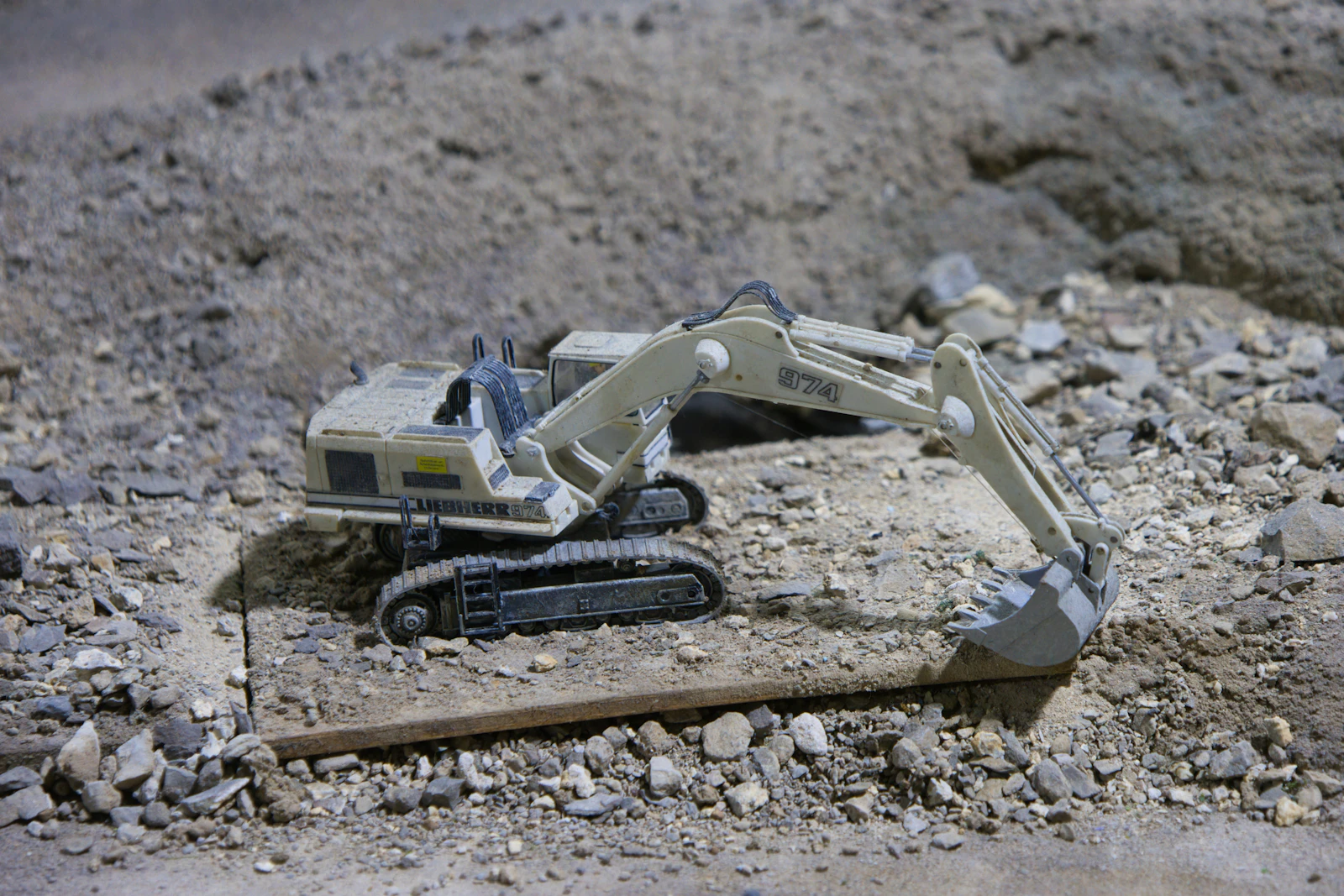
For mini excavator equipment hire costs in Austin tied to digging footings in 2026, planning budgets typically land in these base rental ranges (before delivery, fuel, damage waiver/insurance, cleaning, and taxes): $250–$450/day, $900–$1,650/week, and $2,800–$5,200 per 28-day “monthly” period for the most commonly dispatched 3–4 ton compact excavator class. Smaller 1–2 ton units can trend lower, while zero-tail-swing, steel-track, or high-flow/aux-hydraulic configurations trend higher. In the Austin metro, procurement teams commonly compare quotes from national fleets (United Rentals, Sunbelt Rentals, Herc Rentals) plus strong regional coverage (Texas First Rentals / HOLT CAT) and local independents; however, exact branch pricing varies by availability, seasonality, and jobsite access constraints. Assumption for these ranges: one standard bucket, 8-hour shift usage, normal wear, and standard off-rent rules.
| Vendor |
Daily Rate |
Weekly Rate |
Review Score |
Website |
| United Rentals |
$350 |
$1 450 |
9 |
Visit |
| Sunbelt Rentals |
$340 |
$1 400 |
8 |
Visit |
| Herc Rentals |
$360 |
$1 500 |
8 |
Visit |
| The Home Depot Tool & Truck Rental |
$320 |
$1 250 |
8 |
Visit |
Mini Excavator Rental Rates Austin 2026
Use the following 2026 planning ranges for Austin compact excavator hire when the scope is footing excavation (pads, grade beams, pier holes, trench footings) and you need a machine that can work around forms, utilities, and tight access typical of infill or light commercial sites. Monthly is commonly billed as a 28-day rate in the U.S. rental market.
- 1–2 ton mini excavator (micro/compact, ~4.5–7 ft dig depth class): $200–$350/day; $750–$1,250/week; $2,300–$3,800 per 28 days.
- 3–4 ton mini excavator (common footing machine, ~9–12 ft dig depth class): $250–$450/day; $900–$1,650/week; $2,800–$5,200 per 28 days.
- 5–6 ton compact excavator (more production, lifting, and rock work): $350–$650/day; $1,250–$2,200/week; $3,900–$6,800 per 28 days.
Rate structure assumption: base “time” covers one standard shift. Many suppliers define a standard shift as 8 hours/day, 40 hours/week, 160 hours/4 weeks; additional hours can trigger overtime billing.
What drives mini excavator equipment hire cost for footing excavation in Austin?
Footing excavation is a cost-sensitive scope because the machine often arrives early (layout and proof-roll coordination) and stays on standby between inspections, rebar placement, and concrete scheduling. The biggest cost drivers for mini excavator hire cost in Austin for digging footings are:
- Weight class and tail swing: zero-tail-swing and short-radius machines can be priced at a premium when access is constrained (alley access, tight setbacks, existing structures).
- Bucket/attachment package: a “standard bucket included” quote can become expensive if the field needs a trenching bucket, grading bucket, hydraulic thumb, or auger after mobilization.
- Rock and limestone conditions: Austin-area limestone and caliche can shift you from a smooth-bucket footing dig to a hammer-assisted scope, which changes both attachment rental and wear/return-condition scrutiny.
- Downtown and constrained deliveries: delivery windows, staging limits, and traffic controls can add remobilization or redelivery charges if the truck is turned away.
Size selection and productivity: paying for the right mini excavator class
For footing lines and small grade beams, many crews target a 3–4 ton machine because it balances reach, breakout force, and maneuverability. The wrong size shows up as hidden cost in three places: (1) extra rental days due to low production, (2) attachment upgrades midstream, and (3) rework around overbreak or poor spoil control.
Austin-specific consideration: summer heat (especially July–September) can reduce sustained hydraulic performance and may force shorter duty cycles. That turns a “one-week rental” into an “8-day rental” if production assumptions are aggressive. Build in contingency days when scheduling footings around inspections and concrete availability.
Attachment adders you should budget for (footings and pier holes)
When estimating mini excavator equipment hire pricing for footings, treat attachments as first-class line items, not afterthoughts. Typical adders you’ll see on quotes (and that regularly swing the total) include:
- Trenching bucket (12–18 in): +$20–$45/day; +$60–$135/week.
- 24–36 in cleanup/ditch bucket: +$25–$55/day; +$75–$165/week.
- Hydraulic thumb (common for rock, root balls, and debris handling): +$75–$175/day; +$200–$500/week. Public contract schedules in the U.S. commonly show thumb pricing around the ~$80/day magnitude depending on class.
- Auger drive (for pier holes/sonotube layouts): +$110–$275/day; +$300–$800/week. (Bits are often separate.) Schedule-style pricing commonly shows auger adders in the ~$140/day range.
- Hydraulic breaker (for limestone ledge or demo in footing footprint): +$170–$450/day; +$500–$1,350/week. Rental guides and schedule pricing frequently place breaker adders well above the base bucket package.
- Quick coupler: +$25–$65/day when not already standard on the machine.
- Ripper tooth: +$15–$35/day for hardpan/rocky soils.
Operational note: If the jobsite has “no steel tracks” requirements (finished paving, decorative concrete), confirm whether the quoted unit is rubber-track. Converting a quote late can move you into a different machine class or a different yard—both of which can change delivery fees and minimum rental terms.
Hidden-fee breakdown that affects real mini excavator hire cost
Most disputes on compact excavator rentals are not about the base day/week/28-day rate—they’re about accessorials. In Austin, the following line items routinely show up on invoices for mini excavator equipment hire and should be budgeted explicitly:
- Delivery and pickup (mobilization/demobilization): $150–$350 each way is common inside the core metro; $4–$9 per loaded mile beyond a yard radius is also common. Municipal bid tabs in Texas frequently show delivery/pickup charges in the ~$200–$270 band for compact equipment moves.
- After-hours or guaranteed delivery window: +$75–$200 per trip when a strict gate time is required (common on downtown or secure sites).
- Minimum rental charge: 1 day minimum is typical; some yards enforce a 2-day minimum during peak season for high-demand minis.
- Weekend/holiday billing: many suppliers count Saturday/Sunday as chargeable days unless a written “weekend free” program applies; if your off-rent call misses the cutoff, you can inadvertently pay 2 extra days.
- Off-rent cutoff time: commonly noon to 3:00 p.m. local time; late notification can roll billing into the next day (confirm the branch rule in writing).
- Fuel / refuel surcharge: $6–$9 per gallon equivalent for diesel refuel service is a realistic planning range, or a shop fuel handling fee of $25–$60 per event.
- Cleaning fees (mud, concrete splash, caliche packed undercarriage): $75–$250 is common; extreme undercarriage cleanup can be higher if the machine returns caked and requires extended pressure washing.
- Damage waiver (rental protection plan): typically 10%–15% of the rental rate (base + attachments) unless your contractor’s equipment insurance is accepted in lieu. Standard shift definitions and overtime rules are often tied to supplier programs.
- Environmental/administrative fees: 3%–7% of rent is a common planning allowance when suppliers apply shop, energy, or admin recoveries.
- Idle time / standby exposure: you pay the same daily rate whether the machine is digging footings or parked awaiting inspection—so schedule discipline is a cost item.
How shift limits and overtime billing change the economics
For footing excavation, you can easily exceed standard shift hours if the crew is trying to “make concrete” after a delayed inspection or a late-day layout change. Many suppliers define base rent as one shift (often 8 hours/day). When usage exceeds the included hours, expect one of these billing methods:
- Hourly overtime meter rate: $30–$60 per hour beyond included hours (varies by class).
- Pro-rated daily add: an extra 1/2-day charge once you exceed a threshold (for example, after 10 hours).
- Double-shift premium: 1.5× to 2.0× of daily rate for sustained double-shift operations.
From a rental coordinator standpoint, the control point is not just operator time; it’s documenting meter at delivery, daily start, and off-rent so overage charges can be reconciled quickly.
Austin jobsite constraints that impact delivery, access, and return-condition costs
- Delivery radius norms: many Austin-area yards are positioned along major corridors; the “included radius” is often tight. If your site is in west hill country or far south/east of the yard, your delivery line item can jump meaningfully with mileage.
- Rocky excavation and wear scrutiny: limestone jobs increase the risk of bucket tooth wear, cracked cutting edges, and track damage claims. Pre- and post-rental photo documentation reduces back-and-forth.
- Dust control requirements: dry caliche and site demolition near occupied buildings may require water, mats, or fencing; while not a rental fee, these constraints extend duration (and therefore equipment hire cost).
Example: footing dig with inspection delay (real numbers you can budget)
Example: A light-commercial footing package in North Austin requires a 3.5 ton mini excavator for 6 calendar days, with actual digging over 3 days and standby while awaiting inspection and rebar placement. You plan base rent at $1,350/week (one week minimum), add a trench bucket at $120/week, and a hydraulic thumb at $350/week. Delivery/pickup are $250 each way due to a constrained delivery window. You carry a damage waiver at 12% of rent. Fuel is customer-provided, but you budget $40 for topping off and a $125 cleaning allowance for caliche-packed undercarriage. If the off-rent is called after the cutoff and the machine is not picked up until the following business day, add an unplanned $225–$350 extra day charge (depending on the day rate conversion) plus an extra day of waiver. The takeaway: for footings, standby and timing discipline usually cost more than the “dig time.”
Budget Worksheet (Austin mini excavator hire for digging footings)
- Base mini excavator (3–4 ton) rent: allowance $900–$1,650/week.
- Standard bucket package: included; confirm tooth condition at dispatch (photo required).
- Trenching bucket add: allowance $60–$135/week.
- Hydraulic thumb add (if rock/debris handling expected): allowance $200–$500/week.
- Auger drive + bit (if pier holes): allowance $300–$800/week plus $35–$90/day per bit.
- Breaker (if limestone ledge likely): allowance $500–$1,350/week.
- Delivery + pickup: allowance $300–$700 total (or $150–$350 each way); add mileage $4–$9/loaded mile if outside radius.
- Guaranteed delivery window / downtown access: allowance $75–$200.
- Damage waiver / rental protection: allowance 10%–15% of rent and attachments.
- Cleaning/undercarriage: allowance $75–$250.
- Fuel/DEF handling: allowance $25–$60 service fee or $6–$9/gal if refueled by supplier.
- Overtime usage: allowance $30–$60 per hour beyond included shift hours.
- Environmental/admin fees: allowance 3%–7% of rent.
- Contingency for inspection delays: add 1–2 extra chargeable days at $250–$450/day equivalent.
Rental Order Checklist (what your coordinator should confirm before dispatch)
- PO includes: base rent period (day/week/28-day), machine class (tonnage), and tail swing requirement (ZTS vs conventional).
- Attachments listed on PO: bucket widths, quick coupler, thumb, auger, breaker, ripper tooth.
- Insurance: provide certificate (if using your own) or confirm damage waiver percentage (10%–15%) and what it excludes.
- Delivery instructions: site contact, phone, gate codes, delivery window, truck access limits, and required mats/plywood.
- Delivery acceptance: record meter hours, take 12+ photos (all sides, boom, stick, bucket edge, tracks, cab interior).
- Operational constraints: confirm shift limits (commonly 8 hours/day) and overtime billing method.
- Off-rent process: confirm cutoff time (often noon–3:00 p.m.), and whether weekends/holidays bill automatically.
- Return condition: refuel expectations, cleaning expectations, and required documentation (photos at pickup).
How to reduce total mini excavator equipment hire costs (without under-scoping)
For digging footings, the fastest way to reduce total hire cost is not always negotiating the day rate—it’s eliminating avoidable chargeable days. Practical levers rental managers use in Austin include:
- Align mobilization with inspections: schedule delivery after layout is verified and utility locates are complete, so the first chargeable day includes real production.
- Bundle attachments upfront: adding a thumb or trench bucket after delivery can create an extra trip charge of $150–$350 and can extend rental by 1 day if the attachment isn’t immediately available.
- Confirm “monthly” definition: many suppliers bill month as 28 days; if your project is 31–35 days, plan whether you roll into a second 28-day period or negotiate an extended term.
- Document meter hours daily: if the supplier audits hours against a standard shift program (often 8 hours/day), clean documentation helps you challenge erroneous overtime.
Delivery, redelivery, and access: Austin cost traps to watch
Delivery is one of the most variable components in mini excavator equipment hire pricing in Austin. Treat it like a scope item:
- Turn-away risk: if the lowboy/rollback arrives and cannot access the site (blocked staging, no spotter, inadequate turning radius), some yards will bill a “dry run” or redelivery fee. Budget $150–$300 for a redelivery event on constrained sites.
- Traffic and downtown controls: if the delivery must occur before 7:00 a.m. or within a 30-minute window, many suppliers price a premium dispatch. Budget $100–$200 extra per trip for guaranteed windows.
- Site protection: if you must protect paving, budget ground protection at $15–$35 per mat per week (or purchase plywood) to avoid track damage claims and property damage exposure.
Fuel, wear, and return-condition documentation
Footing jobs in rocky soils are hard on buckets, teeth, and tracks. Most rental contracts expect “normal wear,” but what’s considered normal becomes subjective when the machine returns with damaged rubber tracks or heavily worn teeth. Set expectations internally:
- Bucket teeth allowance: plan $15–$35 per tooth if replacement is charged back due to breakage or abnormal wear.
- Undercarriage cleanup: if you’re working in wet clay after a storm, include a mandatory washdown step; otherwise budget a cleaning fee of $75–$250.
- Refuel standard: return “full” or pay supplier refuel at $6–$9 per gallon equivalent plus handling.
- Photo set at off-rent: 10–15 photos plus a short video walkaround reduce friction if damage is alleged after transport.
Insurance vs damage waiver: cost planning that procurement should standardize
Standardize your approach across projects so your estimators aren’t mixing apples and oranges. If you use a damage waiver, plan 10%–15% of rent and attachments. If you use your own contractor’s equipment policy, confirm the supplier accepts it and whether they still apply an administrative fee (commonly 3%–7% of rent). Also confirm whether theft is excluded unless the machine is secured (fenced yard, immobilizer, or overnight lockout practices).
When a breaker or auger changes the “best” rental duration
Attachments can make a shorter rental duration more expensive. Example logic for Austin limestone:
- If you add a breaker at $500–$1,350/week, completing rock breakout quickly may reduce total days even if the weekly package is higher than the daily conversion.
- If you add an auger and multiple bits (for example, $35–$90/day per bit), bundling pier drilling and footing trenching into a single uninterrupted rental often beats splitting the scope across two mobilizations (saving $300–$700 in delivery/pickup exposure).
2026 market notes for Austin mini excavator hire (what to assume in budgets)
For 2026 planning, most Austin rental coordinators carry contingency for (a) summer peak demand and (b) storm-driven spikes that pull compact equipment into emergency response and drainage repair. Practically, that means you should plan:
- Rate volatility: a ±10% swing between “standard” and “peak” quotes for high-demand minis.
- Availability risk: if you must have a zero-tail-swing unit, carry an extra $50–$100/day allowance or a longer lead time.
- Long-term negotiations: for 2+ month projects, negotiate blended terms rather than stacking 28-day periods.
Compliance and job controls that prevent schedule-driven rental overruns
While this guide focuses on equipment hire costs, compliance controls protect cost by preventing stoppages:
- Utility locate timing: delays in 811 locates frequently create 1–2 days of paid standby. If the machine day rate is $300, two standby days add $600 plus waiver.
- Spoil management: if you don’t have trucks or a spoil pile location confirmed, the excavator sits. Budget a support loader or dump trailer if export is required.
- Indoor or sensitive-site dust rules: where dust control is mandated, production slows; add 1 day contingency rather than paying overtime and risking safety noncompliance.
Quick estimating rule of thumb (useful for bid reviews)
For Austin footing excavation, a realistic “all-in” planning number for a 3–4 ton mini excavator for one week (including a modest attachment package and typical accessorials) often lands between $1,800 and $3,200 once you include delivery/pickup, waiver/fees, and cleanup. The low end assumes easy access, no rock, and on-time off-rent; the high end assumes rock work, strict delivery windows, and one unplanned extra day.
Reminder for estimators: keep base rent, delivery, waiver, attachments, overtime, and return-condition allowances as separate line items in your internal estimate—even if the supplier quote bundles them—so you can explain variances during closeout.