

Create an itemized estimate for your project, with materials, labor, and quantities you can review and edit.
Create my estimateStart a 7-day free trial. Sign up, then enter your project details.
In Baltimore, renting a mini excavator in 2026 typically costs between $200 and $400 per day, $800 to $1,500 per week, and $2,500 to $4,000 per month. These rates vary based on the model, size, and additional attachments required. Leading rental companies in Baltimore provide a range of options suitable for commercial tenant improvement projects.
| Vendor | Daily Rate | Weekly Rate | Review Score | Website |
|---|---|---|---|---|
| Herc Rentals (formerly H&E Equipment Services) | $293 | $785 | 8 | Visit |
| United Rentals | $323 | $730 | 8 | Visit |
| Mini Excavator Direct | $200 | $600 | 7 | Visit |
| Mid Maryland Rentals Inc. | $225 | $700 | 7 | Visit |
| DOZR (supplier network) | $350 | $1,000 | 7 | Visit |
Several factors affect the rental costs of mini excavators, including the machine's size, brand, and the duration of the rental. Additional costs may arise from attachments, delivery, and insurance.
When renting a mini excavator, be aware of potential hidden fees such as delivery and pick-up charges, which can be flat or mileage-based. Fuel surcharges, damage waivers, and cleaning fees for returning equipment in poor condition can also add to the total cost. Late-return penalties and overtime charges are other considerations.
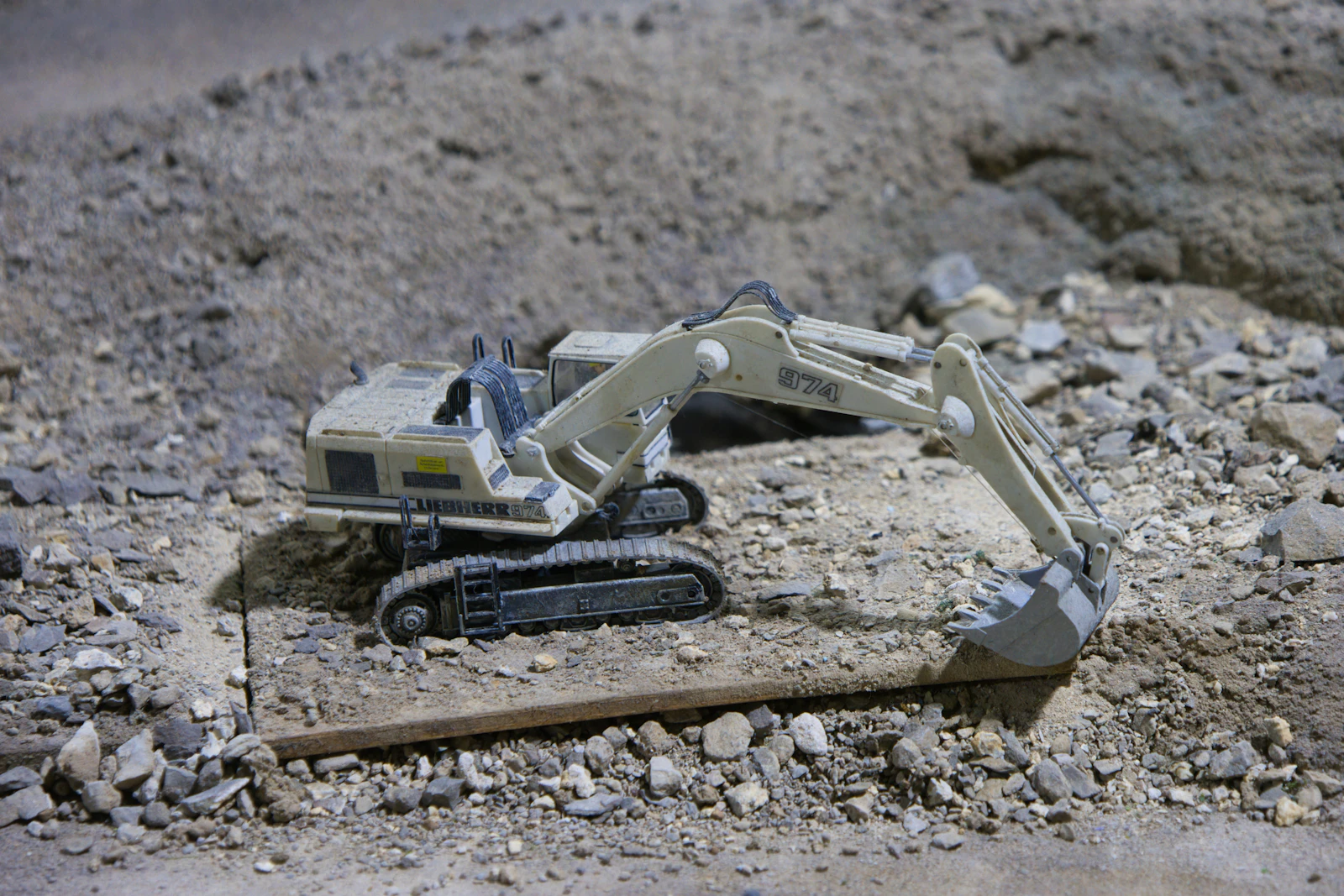
The demand for mini excavators in Baltimore is expected to grow in 2026, driven by increased commercial construction activities. Rental companies are expanding their fleets to include more versatile and efficient models to meet this demand.
Ensure compliance with local regulations when operating mini excavators. Proper training and certification may be required for operators, and rental agreements should reflect adherence to safety standards.
When planning a mini excavator rental for commercial tenant improvement projects in Baltimore, consider the specific needs of the job site. Factors such as the duration of the project, necessary attachments for specialized tasks, and the logistics of delivery and pickup should be carefully coordinated. Ensure that the rental agreement includes provisions for staging areas and access routes to minimize disruption to ongoing business operations. Proper planning will help streamline the workflow and ensure timely completion of the project.
Tip: Schedule equipment delivery during off-peak hours to avoid delays and additional costs.
