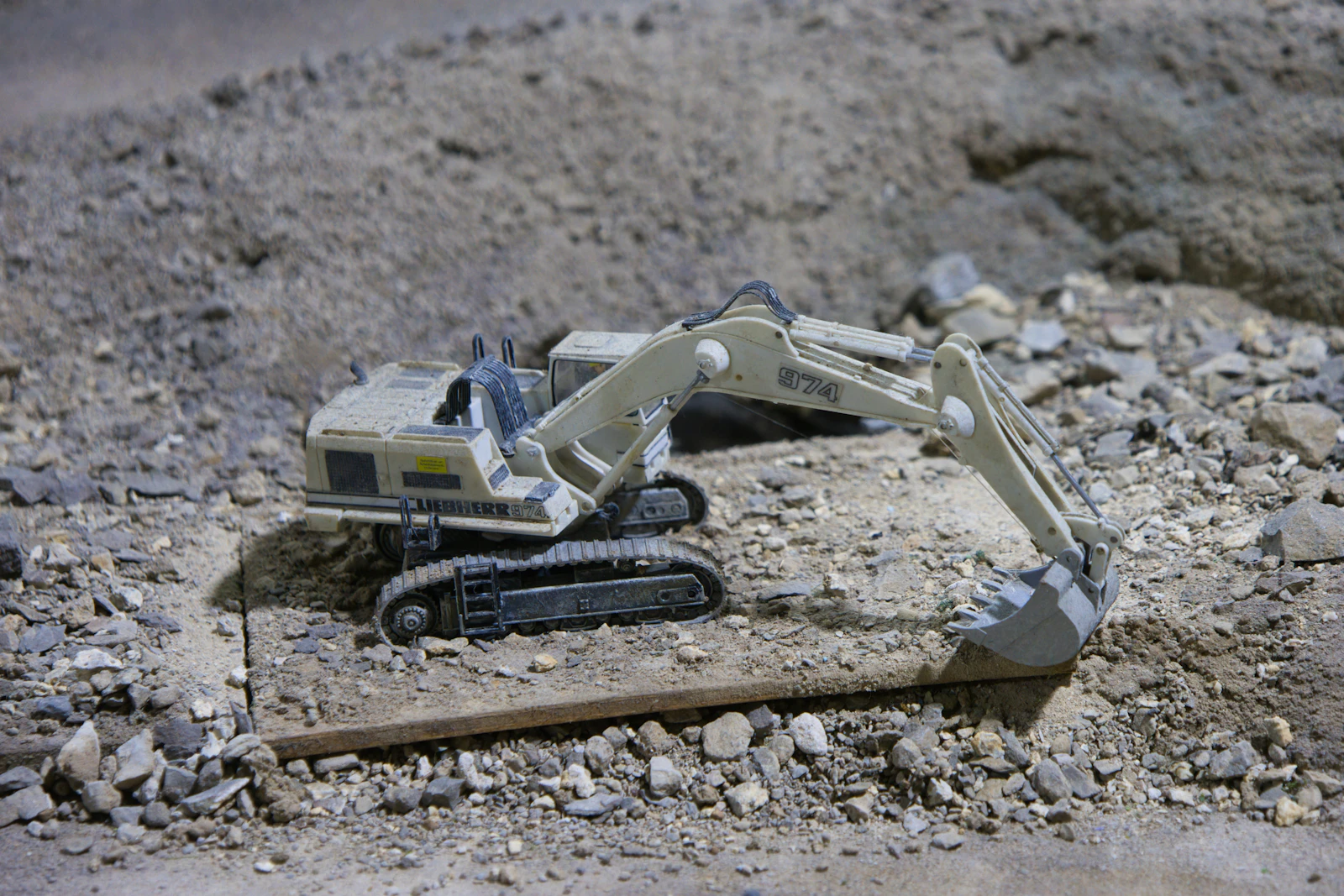
For 2026 planning in Houston, mini excavator equipment hire typically budgets in the $200–$500/day, $640–$1,800/week, and $1,700–$4,750 per 4-week “month” range, with the most common footing-production size (roughly 2–4 ton class) usually landing mid-band once you add delivery/pickup, buckets, and protection items. On published online examples from national yards, a mid-size compact excavator can show around $320/day, $880/week, $1,965/4-weeks or $371/day, $977/week, $2,223/4-weeks before options, but Houston billing will still move based on availability, site access, and whether you need a cab machine for heat/rain delays. In practice, procurement teams often benchmark quotes across United Rentals, Sunbelt Rentals, EquipmentShare, and other Houston-area yards, then negotiate the all-in “delivered-to-site” number for footing work (not just the base day rate).
Mini Excavator Rental Rates Houston 2026
The ranges below are intended for professional estimating of mini excavator hire cost in Houston for digging footings (commercial pads, small additions, equipment bases, and utility-related footings). They are planning ranges—final pricing depends on the specific make/model, bucket package, included meter hours, and delivery constraints.
Typical 2026 base hire ranges by size class (Houston)
- 1–2 ton micro/mini excavator (tight access, light footing/edge prep): $180–$220/day, $560–$810/week, $1,500–$2,100/4-weeks.
- 2–4 ton mini excavator (common footing machine with 18–24 in buckets): $260–$340/day, $840–$1,200/week, $2,200–$3,200/4-weeks.
- 4–6 ton mini excavator (harder digs, deeper footings, faster production): $350–$450/day, $1,100–$1,600/week, $3,000–$4,300/4-weeks.
Monthly definition: many rental systems treat “monthly” as a 4-week (28-day) billing period, not a calendar month. If you keep equipment beyond 28 days, check whether it pro-rates daily, rolls into another 4-week period, or converts to a negotiated long-term rate.
What Drives Mini Excavator Equipment Hire Cost for Digging Footings in Houston?
Houston footing excavation is rarely “just dig and go.” A few local factors routinely show up as rental adders or indirect cost multipliers:
- Gulf Coast soils and water: saturated clays and a high water table after storms can require upsizing (more breakout force), slower production, or adding dewatering support (which can extend the rental duration even if the machine rate is unchanged).
- Heat/humidity productivity loss: in peak summer, contractors often prefer a cab unit with A/C to maintain cycle times and reduce heat-related stoppages; cabbed machines can quote higher than open-ROPS units for the same weight class.
- Access and ground protection: tight urban sites inside the Loop, finished paving, and soft shoulders after rain often require track mats or strict haul-route rules, increasing delivery complexity and sometimes pushing you to smaller machines or reduced-tail-swing units.
From an estimator’s perspective, the biggest driver is usually not the day rate—it is the number of paid days you carry the machine while waiting on inspections, rebar placement, formwork, or concrete scheduling. Aligning footing dig days to inspection windows (and understanding off-rent rules) often saves more than shopping the cheapest published rate.
Attachments, Buckets, And Options That Move The Hire Price
Mini excavator hire for digging footings typically starts with one “standard” bucket, but footing accuracy and production often require additional buckets and options. Typical 2026 Houston planning adders (confirm with your quote):
- Extra bucket (e.g., 12 in trenching, 18 in, 24 in, or cleanup/grading bucket): add $15–$40/day per bucket, or $60–$160/week, depending on size and wear package.
- Hydraulic thumb (great for spoil control and placing rocks/blocks): add $45–$95/day or $180–$380/week.
- Quick coupler: add $20–$45/day (often worth it if you will swap buckets more than once per shift).
- Auger drive (for pier/footing alternatives or sign bases): add $85–$160/day plus $20–$45/day per bit.
- Hydraulic breaker/hammer: add $175–$350/day (plus wear charges if applicable) when footings hit old concrete or caliche-like cemented layers.
Operational note: if you add high-flow attachments (breaker/auger), confirm that the specific mini excavator model includes the aux hydraulic lines you need; swapping to the “right” machine after delivery can trigger re-delivery charges and additional downtime days.
Delivery, Pickup, And Mobilization Costs Around Houston
For mini excavator equipment hire costs in Houston, delivery is commonly a separate line item and can materially change the all-in footing budget. Aggregated Houston guidance often shows $75–$200 each way for metro delivery, but your number can be higher with tight delivery windows, jobsite congestion, or longer mileage runs.
- Typical metro delivery/pickup allowance: $95–$250 each way (plan higher for same-day requests or constrained access).
- Beyond-radius mileage: add $3.50–$6.50 per loaded mile (common structure when the yard moves past its included radius).
- After-hours or weekend delivery window: add $150–$300 per event if you require a specific gate time or escort coordination.
- Waiting time (truck/driver detention): budget $75–$150/hour if the drop area is blocked, site contact is missing, or access control delays unload.
Houston-specific practice to watch: many sites require deliveries before 2:00–3:00 PM to avoid late-day congestion, dispatcher cutoffs, or gate staffing changes. If you miss the cutoff, you may pay for an extra day of rental because the machine cannot be picked up/off-rented until the next business day.
Hidden-Fee Breakdown
When you compare mini excavator hire prices in Houston for footing excavation, normalize the quote to an “apples-to-apples” scope. The most common cost adders are predictable and should be carried as allowances:
- Damage waiver / rental protection plan: typically 10%–15% of time-and-material rental charges (not including fuel or transport). If you waive it, you may need stronger insurance limits and accept a higher deductible exposure.
- Environmental recovery / shop fees: often 2%–5% of rental charges (varies by yard and contract language).
- Fuel policy: “return full” is common; if not, refuel can bill at $6–$9/gal equivalent plus a service charge depending on supplier.
- Cleaning / de-mucking: budget $75–$250 for standard wash-out; for clay-packed undercarriage/track cleaning after wet Houston sites, budget $150–$400 if returned excessively dirty.
- Late return / unreported overrun: if the machine is not off-rented (or not available for pickup) by the agreed time, plan 0.5–1.0 day additional billing depending on the contract.
- Included hours and overages: a typical structure is 8 engine hours/day, 40 hours/week, 160 hours/4-weeks; overages often land around $10–$25/hour for a mini excavator size class.
Estimator tip: treat these as line-item allowances in your footing dig estimate so project management can track variance against controllable behaviors (fueling, cleaning, off-rent timing) rather than hiding them inside “misc.”
Example: Mini Excavator Equipment Hire for Digging Footings in Houston
Scenario: 2–4 ton mini excavator for footing excavation on a small commercial addition near an active driveway. Access is through a 10 ft gate; spoils must be staged 20 ft from the trench to keep an inspection path open. Work is scheduled Monday–Thursday, with footing inspection Thursday afternoon. You want a weekly rate to avoid day-to-day extensions.
- Base machine (2–4 ton class): plan $900–$1,150/week (rate varies by model and availability).
- Delivery + pickup (tight window): plan $175 each way = $350.
- Extra 12 in trenching bucket: $25/day x 4 days = $100.
- Hydraulic thumb (spoil control, setting forms, handling obstructions): $65/day x 4 days = $260.
- Damage waiver (allowance): 12% of rental charges (apply to machine + attachments) ≈ $150–$190.
- Cleaning allowance (wet clay risk): $200.
- Overage hours allowance: plan 6 hours at $15/hour = $90 if the inspection pushes you into a longer shift.
Planning total (all-in): roughly $2,050–$2,340 for the week, excluding operator labor and trucking standby. The key operational constraint is the inspection timing; if the inspector slips to Friday, you may carry the machine into the weekend billing window unless you pre-arrange pickup and confirm off-rent cutoffs in writing.
Budget Worksheet
- Mini excavator hire (select size class and term): $260–$450/day or $840–$1,600/week allowance depending on class
- 4-week rate option (if schedule risk): $2,200–$4,300/4-weeks
- Delivery and pickup: $190–$500 total (two trips), plus $3.50–$6.50/loaded mile beyond radius
- Damage waiver: 10%–15% of rental charges
- Environmental/shop fees: 2%–5% of rental charges
- Fuel/refuel allowance: $75–$250 (or plan $6–$9/gal if yard refuels)
- Cleaning allowance: $75–$250 (increase to $150–$400 for heavy clay/mud returns)
- Overage hours allowance: $10–$25/hour beyond included hours
- Attachments: extra bucket $15–$40/day; thumb $45–$95/day; coupler $20–$45/day; auger $85–$160/day; breaker $175–$350/day
- Ground protection/track mats (if required): $30–$75/day or job-lot allowance $250–$600
Rental Order Checklist
- Confirm equipment spec: weight class, tail swing (reduced/zero), bucket(s), aux hydraulics, cab vs open ROPS
- Quote basis: day/week/4-week, included hours, overage $/hour, and how weekends/holidays bill
- Off-rent rules: required notice method (phone/email/portal), cutoff time, and when billing stops
- Delivery requirements: site contact name/phone, gate codes, unload area, delivery window, surface limits, and truck turnaround space
- Documentation: PO number, certificate of insurance (COI), damage waiver election, tax exemption (if applicable)
- Return condition: fuel level expectation, cleaning standard, bucket count, pin/clip check, and photo documentation at pickup
- Utilities and safety: 811 locates completed, exclusion zone plan, trench/footing protection plan, and required PPE
How To Reduce Total Equipment Hire Cost Without Under-Sizing
For footing excavation, the lowest advertised day rate is rarely the lowest total. The most reliable savings levers for mini excavator equipment hire in Houston are operational and contractual:
- Buy time once, not twice: align delivery to the moment layout is complete and 811 locates are cleared. A $250–$450 two-trip mobilization swing is common, and re-delivery after a failed locate or blocked access can erase any rate-shopping savings.
- Use weekly pricing when inspection risk exists: if there is a realistic chance you slip by 1–2 days, a week rate often caps exposure better than stacking day rates (even when the machine only turns for part of the week).
- Spec the right bucket package: an extra $15–$40/day bucket can prevent over-excavation that later requires import/backfill compaction passes. For footings, accurate trench width is often more valuable than raw digging speed.
- Choose the smallest machine that meets breakout force and reach: moving from a 2–4 ton to a 4–6 ton class can add $90–$140/day, but may cut your paid days if you are in tight clay and can’t maintain cycle times with the smaller unit.
Off-Rent Rules, Included Hours, And Overage Meter Charges
Many disputes around mini excavator hire cost aren’t about the base rate; they are about when billing stops and what “standard use” includes. Build these controls into your rental process:
- Included-hours structure: plan assumptions of 8 hours/day, 40 hours/week, 160 hours/4-weeks. If your footing crew runs extended shifts, pre-negotiate the overage rate rather than accepting a surprise post-return invoice.
- Overage rates: carry an allowance of $10–$25 per engine hour beyond included hours for mini excavators; confirm whether the meter is engine hours or working hours.
- Off-rent notice and cutoff: require your superintendent or coordinator to submit off-rent by a defined time (often early afternoon). Missing the cutoff can add 1 extra day if pickup moves to the next business day.
- Weekend/holiday billing: some yards offer weekend specials, but many heavy-equipment contracts bill continuously once delivered. If you deliver Friday and can’t off-rent until Monday pickup, treat it as potentially 3 billed days unless you confirm a weekend policy in writing.
Insurance, Damage Waiver, And Return-Condition Documentation
Risk treatment is a real cost driver in Houston mini excavator equipment hire, especially on multi-trade sites where equipment may sit overnight. Typical cost impacts to plan for:
- Damage waiver: 10%–15% of rental charges as an allowance when you don’t want to push every incident through your own insurance.
- Cash-account deposits: some suppliers require refundable deposits (commonly $500–$2,500) for new accounts or specialty attachments.
- Theft/vandal exposure: if the machine must remain on site, budget for security measures (temporary fence panels, lighting) or accept higher risk; theft incidents can create replacement-charges exposure far beyond the hire cost.
Return-condition control that protects your cost: require pickup photos (four sides, hour meter, bucket count, and any pre-existing damage) and keep them attached to the PO closeout. This is especially important after rain events when clay buildup can be misclassified as “abnormal cleaning.”
Digging Footings: Production Factors That Change Rental Duration
Footing excavation has a few jobsite realities that can extend paid rental days even with a stable weekly rate:
- Inspection sequencing: if the inspector requires rebar chairs, forms, or trench setbacks completed before inspection, the mini excavator may sit idle but still bill. Consider off-renting after excavation and re-renting for backfill only if delivery costs and schedule allow.
- Spoil management constraints: if spoils must be loaded out, you may need a skid steer or loader in parallel. If not planned, you’ll lose excavator utilization hours and potentially spill into overage billing (another $10–$25/hour exposure).
- Wet-weather workarounds: if Houston rain prevents hauling, the excavator may remain on site. Planning a 4-week rate can be cheaper than stacking weekly rates during storm-heavy periods.
Rent Vs. Own Snapshot for Repeating Footing Work
If your Houston program digs footings continuously (tenant improvements, sign bases, equipment pads), rental coordinators often evaluate whether a dedicated compact excavator reduces annual cost volatility. A simple rental-focused comparison:
- If your typical delivered all-in is $2,000–$2,400/week (machine + common attachments + delivery + waiver + cleaning allowances), then 20 active weeks of use can put you in the $40,000–$48,000/year range for a single machine’s coverage.
- For long-term rentals, many suppliers will negotiate below published 4-week rates; if you can lock a consistent term (e.g., multiple consecutive 28-day periods), your effective cost per day often falls materially versus ad-hoc weekly rentals.
Ownership may pencil out for utilization-heavy programs, but hire remains the most flexible when you need to scale up/down across Houston sites, manage flood-season uncertainty, or avoid maintenance/downtime risk during peak schedules.
2026 Planning Assumptions for Houston Mini Excavator Equipment Hire
- Use a 4-week billing assumption when stakeholders say “monthly,” and carry a term-risk allowance for inspections and weather.
- Normalize quotes to all-in delivered cost (base rate + delivery + waiver + fees + attachments) to avoid selecting a low base rate that becomes high once options are added.
- Carry Houston delivery reality as a separate line item and pre-plan unload access—delivery/pickup commonly sits in a meaningful band and can be the swing factor on short-duration footing work.
If you want, share (1) footing dimensions/depth, (2) access width, (3) expected rental duration, and (4) whether spoils are stockpiled or hauled, and I can turn the above into a tighter “all-in equipment hire cost” allowance set for your Houston estimate—still vendor-neutral, no tables, and structured for PO issuance.