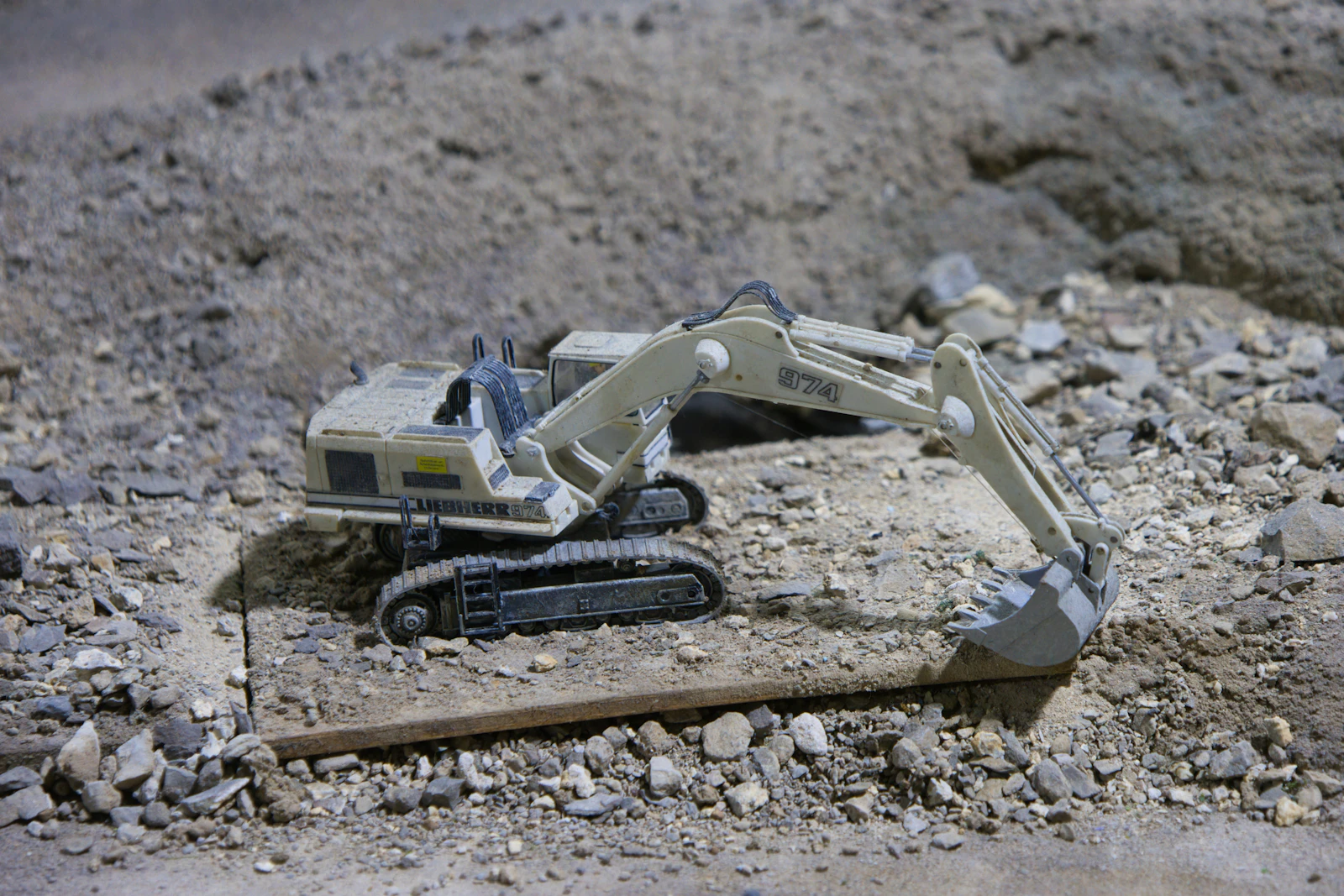
For mini excavator equipment hire in Los Angeles for digging footings, 2026 planning budgets typically land in these ranges (assuming Tier 4 diesel or equivalent, 8-hour day billing, and a 28-day “month”): 2-ton class $250–$425/day, $750–$1,250/week, $1,900–$3,200/28-days; 3.5–4 ton class $325–$525/day, $950–$1,600/week, $2,450–$4,250/28-days; and 5–6 ton class $450–$650/day, $1,300–$1,950/week, $3,600–$5,400/28-days. Your “all-in” hire cost is rarely just the base rate—attachments, delivery windows through LA traffic, damage waiver/insurance, and return-condition costs routinely add 15%–40%. Most LA projects source from a mix of national rental houses (for depth of fleet and service), regional yards, and marketplace aggregators depending on availability and delivery lead times.
| Vendor |
Daily Rate |
Weekly Rate |
Review Score |
Website |
| United Rentals |
$375 |
$1 500 |
8 |
Visit |
| Sunbelt Rentals |
$360 |
$1 440 |
8 |
Visit |
| Herc Rentals |
$350 |
$1 400 |
7 |
Visit |
| BigRentz |
$325 |
$1 300 |
8 |
Visit |
| Ahern Rentals |
$340 |
$1 360 |
8 |
Visit |
Mini Excavator Rental Rates Los Angeles 2026
To ground the 2026 planning ranges above, it helps to sanity-check against posted Southern California market rates where they’re publicly visible. For example, a Los Angeles-area rental yard lists mini excavator rates such as $355/day, $1,050/week, and $2,600 per 4 weeks for a ~3.5K class unit, and $500/day, $1,525/week, and $4,200 per 4 weeks for an ~11K class unit (attachments priced separately).
Marketplace data for Los Angeles, CA shows the average daily price for a mini excavator rental in the city commonly quoted around $418–$455/day, with FAQs citing about $1,361/week and $3,188/month averages (availability-driven). Use these as “signal” numbers only—actual quoted hire will move with class size, counterweight configuration, rubber tracks vs. steel, and delivery constraints.
Also confirm what your supplier means by “month.” Many rental programs define monthly as 28 days (not a calendar month), which matters for footing scopes that straddle inspections and concrete placement dates.
What Actually Drives Mini Excavator Hire Cost for Digging Footings in Los Angeles?
For footing work, the mini excavator is often selected less by “ton class” and more by dig depth, swing clearance, access width, and spoil handling plan. In Los Angeles, cost drivers tend to cluster into (1) access/traffic and delivery logistics, (2) attachment requirements for production and trench/footing geometry, and (3) jobsite controls (dust, noise, utility protection) that affect run time and rental duration.
Machine Class Selection: Pay for Stability, Not Just Dig Depth
If your footings are straightforward (e.g., continuous footings and small pad footings) and access is tight, a 2-ton can be cost-effective—until you hit productivity limits in dense soils, debris, or when you need to load into trucks over higher sideboards. A 3.5–4 ton unit is often the LA “sweet spot” for footing production because it balances breakout force with maneuverability (and tends to have better auxiliary hydraulics availability for thumbs and compact breakers). A 5–6 ton starts to make sense when you’re cutting deeper, reaching farther, or you need more stability when handling forms, rebar bundles, or larger rocks.
Estimator note: for footing packages, the cheapest day rate can be the most expensive choice if it forces an extra day of rental. When you compare equipment hire costs, benchmark expected production (linear feet/hour of footing excavation, number of pad footings/day) and price the rental in crew-days, not “calendar-days.”
Attachments and Accessories: The Fastest Way to Blow the Hire Budget (or Save It)
Footing scopes are attachment-sensitive. If you don’t lock the attachment set at PO time, you’ll either (a) pay to swap later with additional trucking or (b) accept slower production. Typical LA attachment adders to plan for include:
- Hydraulic thumb: commonly budget $75–$175/day (higher when paired with larger class units). This is often justified if you’re handling demolition rubble, rocks, or placing materials during footing prep.
- Breaker (hammer): budget $200–$350/day depending on carrier size; posted examples include $250/day, $775/week, $2,000 per 4 weeks.
- Auger drive (when footing scope includes piers/caissons or utility sleeves): budget $150–$250/day; a posted example shows $175/day, $500/week, $1,000 per 4 weeks for an auger attachment class.
- Compaction wheel (backfill density control near footings): budget $100–$175/day; one published example lists $125/day for an 18-inch compaction wheel.
- Rammer/plate compactor (separate tool rental): a posted example shows $105/day, $420/week, $960 per 4 weeks for a rammer class.
- Extra buckets (common footing set: 12-inch trenching + 24-inch digging + grading bucket): plan $15–$45/day per additional bucket if not included with the machine.
- Track mats / ground protection (very common on LA infill sites with finished flatwork/asphalt): plan $8–$15 per mat per day, plus handling time and potential loss/damage charges.
Procurement tip: specify quick coupler requirement (yes/no) on the PO. If the machine shows up without the coupler you assumed, you can lose half a shift—or pay for a mid-rental swap and additional trucking.
Delivery and Pickup in Los Angeles: Where Schedules Become Costs
Los Angeles is a delivery-cost city. Even when the base hire rate is competitive, trucking frequently dominates the first week’s total if the job is short. Budget these common transport components for mini excavator hire:
- Round-trip delivery/pickup: often $400–$900 total in dense LA corridors (commonly quoted as $200–$450 each way depending on yard distance, traffic, and access constraints).
- Mileage or zone charges: where used, plan $4–$7 per mile beyond an included radius.
- Minimum trucking charge: often a $250 minimum even for nearby yards (short hauls still consume driver hours).
- Restricted delivery windows (e.g., “deliver between 7:00–9:00 AM only”): plan an extra $75–$200 as a scheduling premium if the supplier prices stand-by time into the move.
- After-hours or weekend delivery: commonly $250–$500 premium when available.
LA-specific realities that change cost: (1) traffic variability can turn “included” delivery into a reschedule fee if your site is not truly ready; (2) limited street staging means you may need a spotter and a clear unload zone; (3) hillside or tight-driveway properties can force smaller trucks or alternative unloading plans, sometimes requiring a second move if the first attempt fails.
Hidden-Fee Breakdown (What Rental Coordinators Should Call Out Up Front)
When you’re estimating mini excavator hire cost in Los Angeles, plan and pre-approve the common add-ons so you don’t burn contingency on admin surprises:
- Damage waiver: often 10%–15% of the rental charge (waiver terms vary; it is not the same as liability coverage).
- Environmental / admin fees: commonly 5%–10% or a flat shop/admin charge, depending on supplier program.
- Cleaning: budget $150–$450 when machines come back with caked clay, concrete splatter, or excess mud in the undercarriage. One published rate sheet example cites an excessive cleaning fee of $75 per hour.
- Fuel / refuel: many fleets go out full and must return full; if not, plan $6–$9 per gallon equivalent billed (varies by supplier and contract). Operationally, also plan 15–30 minutes/day of crew time for fueling and daily checks on multi-day footing runs.
- Wear items: undercarriage/track damage, broken glass, and bucket teeth can be bill-backs; align responsibility in writing before the machine hits site.
- Late return: budget exposure at $75–$150 per hour for past-cutoff returns, or a full extra day if you miss an off-rent window.
Billing convention to leverage: many rental programs cap day-to-week and week-to-month so you don’t pay more than the next rate tier once accumulated charges meet that tier (confirm in your terms and conditions).
Operational Constraints That Change Real Rental Cost on Footing Work
Footing excavation is schedule-coupled to layout, inspection, rebar, and concrete placement. That makes it prone to “paid idle days” if you don’t manage the off-rent plan. In Los Angeles, the most common cost inflators are:
- Off-rent rules and pickup lag: confirm whether charges stop when you submit off-rent (timestamped) versus when the machine physically leaves the site.
- Weekend and holiday billing: some suppliers charge a 1-day weekend premium if equipment remains on rent through Saturday/Sunday; others offer structured “weekend specials.” Put your intent in the PO notes.
- Dust control and housekeeping: if your site requires water, sweeping, or containment (common near occupied properties), it can cut production and extend rental days even when the machine rate is unchanged.
- Indoor/garage footing work: if you’re digging in a structure, you may need additional controls (poly containment, negative air, debris handling plan). That can force smaller machines, electric units, or additional labor—each with hire cost implications.
- Access and protection: track mats, plywood, steel plates, or curb-ramp protection can add material rental and time.
One more technical note for estimating: some published rental rate sheets define time as 8-hour day, 44-hour week, and 176-hour month equivalents, which can matter for long shifts or double-shift footing recoveries. If your project is running extended hours to hit concrete windows, confirm whether your supplier treats that as overtime, higher tier, or simply extra calendar days.
Example: Mini Excavator Equipment Hire for Footings on a Tight Los Angeles Infill Lot
Scenario: You’re digging 12 pad footings and a short run of continuous footing on a constrained infill lot near a busy corridor. Access is a single 10-foot gate, spoils must be stockpiled inside property lines, and concrete is scheduled for Friday morning.
- Equipment selection: 3.5–4 ton mini excavator (thumb required for handling rocks/debris) + 12-inch trenching bucket + track mats for driveway protection.
- Hire duration plan: 3 days on rent (Tue–Thu) with off-rent submitted by 2:00 PM Thursday to target Friday pickup before weekend billing.
- Base equipment hire budget: plan $375–$525/day depending on availability and whether you’re locking a specific model.
- Thumb adder: plan $100–$150/day.
- Delivery/pickup: budget $650 round-trip (e.g., $325 each way) due to narrow delivery window and traffic exposure.
- Damage waiver: assume 12% of rental charges.
- Cleaning allowance: carry $200 if soils are wet or spoils are sticky (avoid a surprise charge at closeout).
Operational constraint that changes cost: If the footing inspection slips by one day and the machine sits idle on Friday, you may trigger a weekend billing rule (often a full extra day or a weekend premium). To protect cost, align the excavation sequence so the mini excavator can be off-rented immediately after the last footing is cut and bottoms are trimmed, even if rebar continues.
Budget Worksheet (Line Items and Allowances for LA Footing Work)
- Mini excavator equipment hire (base): 2–5 days at $325–$525/day (select class based on access/soil).
- Weekly conversion: if scope likely exceeds 4 days, pre-approve a weekly not-to-exceed (commonly $950–$1,600/week for 3.5–4 ton class).
- Attachments: thumb $75–$175/day; breaker $200–$350/day if rock/concrete expected; additional bucket(s) $15–$45/day each.
- Delivery and pickup: $400–$900 round-trip; include $4–$7/mile beyond included radius if applicable.
- Restricted delivery window premium: $75–$200 allowance.
- Damage waiver: 10%–15% of rental (confirm what’s excluded).
- Admin/environmental: 5%–10% allowance or flat fee per supplier program.
- Fuel/refuel: return-full requirement; carry $6–$9/gal equivalent exposure if you can’t fuel on site.
- Cleaning: $150–$450 allowance; add exposure for “excessive cleaning” at $75/hour where contract language allows.
- Ground protection: track mats $8–$15/mat/day; lost/damaged mat allowance if working on public-facing access.
- Traffic control / flagger: if unloading impacts a lane, carry a day allowance (coordination often costs more than the hire rate).
- Contingency for schedule risk: 1 extra rental day at $325–$650/day (class dependent) to cover inspection or layout slippage.
Rental Order Checklist (What to Put on the PO and What to Collect at Return)
- PO scope clarity: “Mini excavator equipment hire for digging footings” + required operating weight class + max width requirement (gate/access).
- Billing terms: confirm day/week/28-day month definition; confirm weekend/holiday billing treatment in writing.
- Attachments list: bucket sizes, thumb, quick coupler requirement, auxiliary hydraulics requirement.
- Delivery requirements: delivery date/time window; site contact name/phone; unload surface type; any street restrictions and staging plan.
- Insurance/waiver: certificate of insurance (if required), damage waiver selection, and who is responsible for glass/undercarriage/teeth.
- Condition documentation at drop: photos/video of all sides, hour meter (if present), bucket teeth condition, track condition, existing dents/leaks.
- Operating expectations: return-full fuel requirement; grease points/daily checks responsibility; dust-control or indoor use restrictions.
- Off-rent process: how to submit (email/portal), daily cutoff time (get it in writing), and pickup lead time expectations.
- Return condition documentation: photos after wash-down, hour meter, attachment count, and signed pickup ticket.
How to Get More Predictable Hire Quotes in Los Angeles (Without Over-Specifying)
When you request quotes for mini excavator equipment hire costs in Los Angeles, quote variance typically comes from missing constraints rather than supplier “markup.” Include these details to tighten apples-to-apples pricing:
- Job intent: footing excavation (depth range, soil conditions if known, any demo/debris expected).
- Access constraints: gate width, overhead obstructions, slope, and whether you need rubber tracks only.
- Spoil plan: stockpile vs. load-out. If loading trucks, specify truck type and sideboard height to avoid under-sizing the machine.
- Schedule constraints: delivery window, on-rent start, planned off-rent timestamp, and any “must be gone by” dates to avoid weekend billing exposure.
- Compliance requirements: if your project or owner requires specific emissions tier or documentation, disclose early (it affects availability and rate).
Local LA Considerations That Commonly Affect Mini Excavator Hire Cost
- Delivery radius norms: LA pricing is sensitive to yard-to-site distance and freeway corridors—two sites 12 miles apart can price differently due to travel time and staging constraints.
- Heat and ground protection: summer heat can soften asphalt and increase track-mark risk; budgeting mats (and time to place them) can be cheaper than paying for surface repair.
- Dust control expectations: near occupied properties, added dust-control steps can reduce excavation production and extend rental duration even if the day rate stays fixed.
Quick Reference: Published Rate Signals to Validate Your 2026 Budget
If you need a “reality check” before issuing an internal ROM, compare your quote to published signals from the LA market: examples include a local yard listing $355/day for a ~3.5K mini excavator and $500/day for an ~11K unit (plus attachments), and a Los Angeles marketplace showing average minis commonly quoted around the $418–$455/day range. If your quote is materially above these signals, it may still be correct—but you should expect a reason (tight availability, very specific spec, restricted delivery, or added attachments).