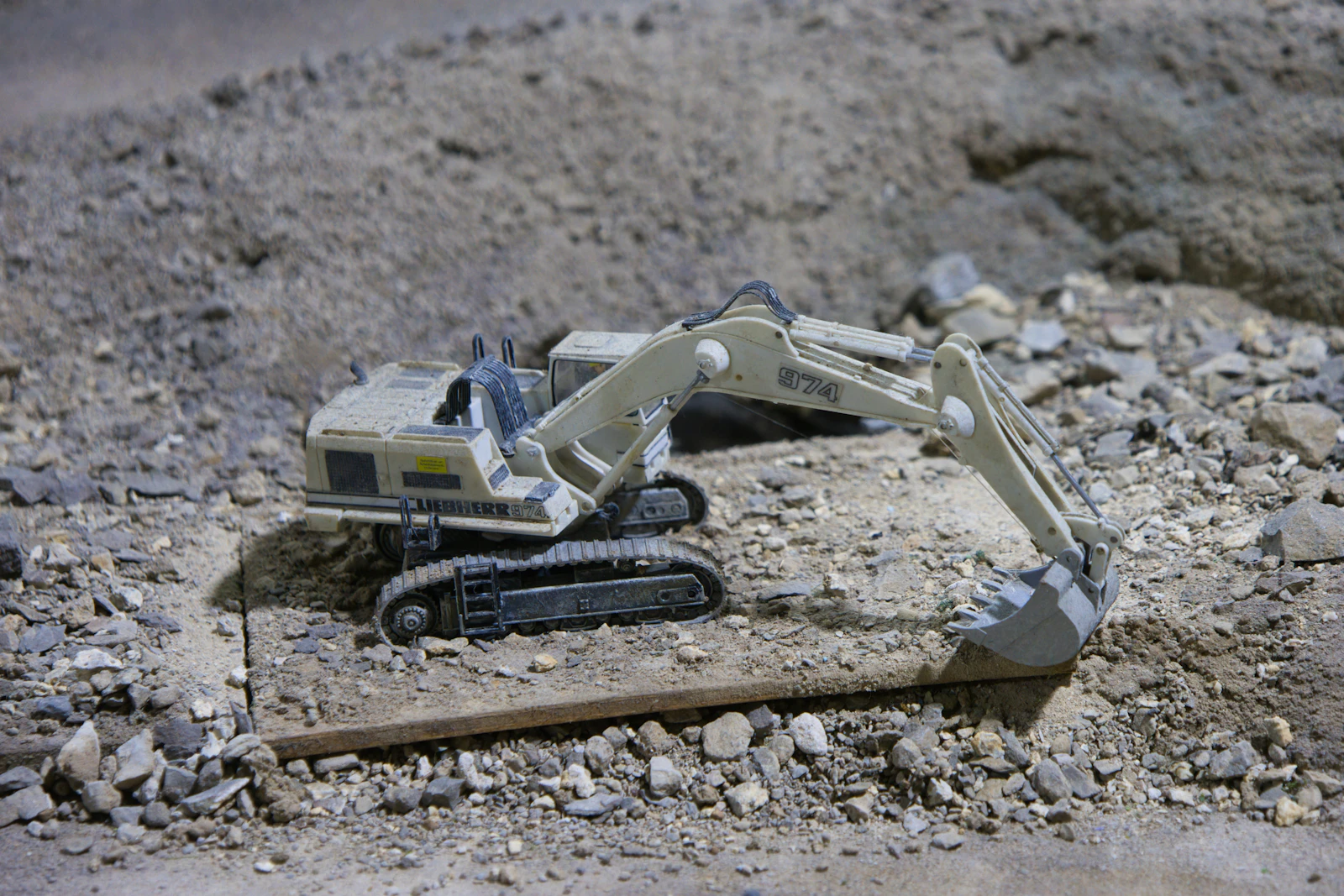
For basement waterproofing excavation in Mesa, AZ, 2026 mini excavator equipment hire budgets typically land in the $275–$525 per day, $850–$1,500 per week, and $2,100–$3,800 per 4-week period range for the common 2–4 ton class used to trench along foundations (rates move with size, tail-swing, availability, and whether you’re running a “one shift” metered-hour cap). Mesa-specific benchmarks include marketplace pricing that shows an average around $413/day, $1,238/week, and $3,125/month, with low-end daily pricing observed as low as $225 when available. In practice, most Mesa waterproofing contractors source through a mix of national rental houses (e.g., United Rentals, Sunbelt, Herc) plus Southwest-focused yards (e.g., Sunstate) and local independents—then finalize the delivered rate only after delivery windows, access constraints, and waiver/insurance are confirmed.
| Vendor |
Daily Rate |
Weekly Rate |
Review Score |
Website |
| Sunbelt Rentals |
$225 |
$795 |
8 |
Visit |
| United Rentals |
$280 |
$750 |
2 |
Visit |
| Herc Rentals |
$314 |
$860 |
2 |
Visit |
| BigRentz |
$197 |
$520 |
2 |
Visit |
Mini Excavator Rental Rates Mesa 2026
Planning assumption (important): unless your agreement states otherwise, budget on a “one shift” utilization model (often 8 metered working hours per 24-hour day), with overtime/meter overage charged separately. One published rate example explicitly states that a 24-hour period includes 8 work hours on the machine. Always confirm meter caps, weekend rules, and off-rent cutoffs in writing before you schedule excavation for waterproofing.
Budget ranges below are for Mesa / Phoenix East Valley planning in 2026 (rubber-tracked mini excavator, bucket included, no operator). They’re intended for estimators and rental coordinators; they are not “quotes” and will vary by fleet mix and season.
- 1-ton micro / ultra-compact (doorway/backyard access): $225–$425/day, $795–$1,300/week, $1,495–$3,200/4-weeks (good when access is the main constraint).
- 1.5–2 ton (tight side yards, shallow foundation trenching): $300–$475/day, $900–$1,350/week, $2,100–$3,300/4-weeks (often the best cost-to-access compromise in Mesa subdivisions).
- 3.5–4 ton (deeper trenching, higher breakout in caliche): $350–$600/day, $950–$1,500/week, $2,100–$3,900/4-weeks (common when you must maintain trench shape, manage spoils efficiently, or reach grade breaks). Public bid benchmarks in Arizona show daily pricing in the high $300s for CAT 303-class machines and daily pricing above $500 for larger units, with weekly and monthly equivalents that track accordingly.
Reality check for Mesa availability: during peak months, the “best advertised rate” often disappears once you require a specific configuration (e.g., zero tail swing, hydraulic thumb, narrow bucket set, or a machine that can be delivered before a morning dig window). Plan a 10%–20% rate swing for “must-have” specs and short-notice starts.
How Basement Waterproofing Work Changes Mini Excavator Hire Costs In Mesa
Basement waterproofing (or any below-grade foundation waterproofing) is rental-cost-sensitive because your schedule is driven by sequencing: locate/verify utilities, open trench, clean wall, apply membrane, set drain tile/board, and backfill/compact—often all under a narrow weather and inspection window. In Mesa, add three job realities that move your mini excavator equipment hire cost in measurable ways:
- Soil and rock behavior: caliche lenses can force you into a heavier class (or require a tooth bucket and more time on the meter). A “cheap daily rate” can lose to a slightly higher rate on a machine that finishes a trench in 1 day instead of 2.
- Heat and crew safety pacing: extreme summer heat can reduce productive trench hours; if your crew only runs 5–6 productive digging hours in a day, hourly meter overages and extra days become the hidden cost driver.
- Dust-control expectations: HOA or adjacent occupied spaces frequently require wetting, track-out control, or immediate spoil management. That can add standby time and additional rented support gear (track mats, water tank/trailer, compactors), even when the excavator is “off-hammer.”
What Actually Moves The Price: Class, Tail Swing, And Track Protection
For basement waterproofing excavation, the machine spec is often more important than the headline day rate. When you scope a mini excavator hire in Mesa, price movements usually come from:
- Tail swing: zero tail swing frequently commands a premium, but it can prevent property damage claims and rework when trenching close to walls, AC pads, and fence lines.
- Operating weight and reach: moving from a 2-ton to a 4-ton can reduce cycle time and wall-cleaning idle, but can increase delivery cost and surface protection needs.
- Rubber track condition expectations: waterproofing jobs often involve turning on hardscape, pavers, or tight side yards. Track damage, curb strikes, and rebar punctures can create chargebacks if return condition documentation is weak.
Attachments And Add-Ons That Change Your Equipment Hire Budget
For foundation trenching and drain work, budget attachments like line items—because they can add more to your invoice than “rate shopping” saves. Typical Mesa waterproofing adders (budgetary ranges):
- Hydraulic thumb: add $75–$150/day (often worth it for boulder handling, debris sorting, and controlled backfill placement).
- Bucket set instead of 1 bucket: add $10–$30/day per additional bucket (e.g., 12" trenching + 18" general-purpose + 24" cleanout).
- Grading blade / backfill blade: add $35–$75/day when you need controlled backfill shaping without a skid steer on site.
- Hydraulic breaker: add $150–$300/day plus tool wear/bit charges where applicable; also expect higher damage-waiver dollars because the base rent is higher.
- Auger drive + bit (if you’re setting posts or sump discharge supports): add $120–$250/day.
If you can’t place spoils on site, also plan support equipment hire: a 10–14 cu yd roll-off commonly budgets $450–$650 delivered in the East Valley (haul and dump fees vary), while a dump trailer can budget $125–$175/day plus a tow vehicle and fuel. These aren’t “excavator costs,” but they are excavation-driven rental costs that hit the same PO.
Hidden-Fee Breakdown
Most “rate surprises” on mini excavator equipment hire costs show up in fees and term conditions, not in the published day rate. Build these into your Mesa waterproofing estimate as explicit allowances:
- Delivery / pickup (mobilization): published examples include $100 + $4 per mile (both ways included) from one rate sheet, and Arizona public bid delivery charges such as $162, $175, $270, or $350 each way depending on provider and class.
- Damage waiver: commonly a percentage of base rent. One public bid example lists 14%–15% as the damage waiver rate.
- Environmental/energy recovery fees: budget 2%–5% of base rent where applied (varies by vendor and account structure).
- Cleaning: budget $75–$250 if the machine returns with heavy clay/caliche buildup, membrane overspray, or wet backfill material packed into the undercarriage.
- Fuel/refuel: most rental agreements expect “return full.” Budget a refuel service charge of $35–$75 plus fuel at local rates if you can’t fuel onsite.
- Meter overage/overtime: budget $60–$120 per metered hour when you exceed the included hours (rate depends on class and agreement terms).
- Weekend/holiday billing: if you take delivery Friday and off-rent Monday, confirm whether you are billed 2 days or a full weekend block. For waterproofing sequencing, weekend billing can be the difference between a profitable trench and a loss leader.
Delivery, Pickup, And Mobilization In Mesa’s East Valley
In Mesa, delivery cost isn’t just mileage—it’s access, time windows, and staging constraints. When you request a mini excavator hire for basement waterproofing, confirm these operational details up front because they drive real dollars:
- Delivery windows and cutoffs: if your jobsite only accepts delivery between 7:00–9:00 AM (common with school zones, narrow streets, or HOA controls), budget a $75–$150 “time window” premium or plan for a day earlier drop.
- Site access: if the truck can’t reach the dig location and the driver must “hand-walk” equipment placement, budget 0.5–1.0 hours of additional driver time depending on policy.
- Re-delivery / failed delivery: if gates are locked or the dig path isn’t prepped, many yards treat it like a second mobilization—budget $150–$350 to protect your margin.
Example: 3-Day Exterior Waterproofing Trench Along A 120 LF Foundation Wall In Mesa
Scenario: 120 linear feet of trench, average 6 ft depth, tight side yard access with a 42-inch minimum clearance, caliche pockets, and a requirement to keep one driveway lane open. Crew works early due to heat; your plan is a 3-day mini excavator hire plus a compactor for backfill lifts.
Budget build (equipment hire only, excluding labor/materials):
- 3.5–4 ton mini excavator base rent: budget $1,050–$1,800 (3 days at $350–$600/day planning range).
- Hydraulic thumb adder: budget $225–$450 (3 days at $75–$150/day).
- Delivery/pickup: budget $200–$500 (depending on distance and provider; published examples vary widely).
- Damage waiver: budget 14%–15% of base rent + attachments (often applied before tax).
- Track mats (if required to protect pavers): budget $25–$60/day, or $75–$180 for 3 days.
- Plate compactor hire for backfill lifts: budget $80–$130/day, or $240–$390 for 3 days.
- Cleaning allowance: $150 (carry a fixed allowance on waterproofing jobs; undercarriage mud is a repeat offender).
Why this matters: the “extras” above can easily add $800–$1,600 to a short-term excavator rental PO—without changing the day rate at all. If you don’t carry them in the estimate, your crew will feel pressured to rush return conditions (which increases damage and chargeback risk).
Budget Worksheet
- Mini excavator equipment hire (2–4 ton class): $275–$600/day allowance (select class based on depth/access).
- Term: 3 days / 1 week / 4 weeks (carry both “planned term” and “contingency days”: add +1 day for caliche or inspection delays).
- Attachments: hydraulic thumb $75–$150/day; extra buckets $10–$30/day each; breaker $150–$300/day (if rock/concrete expected).
- Delivery & pickup: $200–$500 base; add $75–$150 for tight time-window delivery if required.
- Damage waiver: 14%–15% of rental charges (budget line).
- Environmental/energy fees: 2%–5% of rental charges (budget line).
- Tax: apply Mesa combined TPT where applicable; Mesa publishes a Transaction Privilege Tax (TPT) 8.3% and Use Tax 7.6% (confirm classification and job ZIP with your tax team).
- Cleaning/return condition allowance: $75–$250.
- Fuel/refuel allowance: $35–$75 service fee plus fuel, if you can’t return full.
- Meter overtime allowance: $60–$120 per hour beyond included hours (carry a small buffer for rock/utility conflicts).
Meter Hours, Off-Rent Rules, And Weekend Billing (Where Waterproofing Jobs Get Expensive)
Basement waterproofing excavation tends to create “start-stop” equipment usage: the mini excavator opens trench, then waits while the wall is cleaned and membrane is installed, then returns for drain tile placement and backfill. That pattern is exactly where hire costs creep if your rental terms are misunderstood. As you finalize a Mesa mini excavator equipment hire, confirm these items before dispatch:
- Included hours per day/week/4-weeks: if your agreement follows an 8-hour “one shift” day, protect against meter overages by planning a realistic dig schedule (especially when heat limits the workday).
- Off-rent cutoff time: many yards require off-rent notice before a daily cutoff (often mid-afternoon). Miss it, and you can be billed another full day even if the machine is done at noon. Budget a 1-day float or align inspections to avoid dead days.
- Weekend handling: if you take delivery Friday afternoon and cannot return until Monday morning, confirm whether Saturday/Sunday are billed. If the yard bills the weekend as 2 additional days, that can add $550–$1,200 to a short waterproofing job at Mesa planning rates.
- Minimum rental charges: some programs price a “4-hour” minimum. One published mini excavator example lists $260 for 4 hours and $320 for 1 day. For waterproofing, a half-day can be attractive for a final backfill pass—but only if delivery and pickup timing doesn’t force you into a full-day charge.
Insurance, Waiver, And Damage Controls That Protect Your Equipment Hire Budget
For waterproofing trench work, the most common cost blowups are not mechanical failures—they’re track damage, undercarriage cleanup, and property claims (fences, irrigation, utility strikes). Protect your excavator hire budget with a practical, jobsite-ready approach:
- Damage waiver vs. certificate of insurance: if you carry your own inland marine coverage, verify whether the rental house still charges a waiver unless you provide a compliant COI and endorsement. As a benchmark, public bid pricing shows damage waiver rates of 14%–15%.
- Pre- and post-rental documentation: take 20–30 photos (tracks, sprockets, boom, stick, coupler, bucket ears, hour meter, and any dents). This is the cheapest “insurance” you’ll buy.
- Surface protection: if you’re crossing decorative concrete or pavers, renting track mats at $25–$60/day can prevent a multi-thousand-dollar claim that no one budgeted under “equipment hire.”
- Return condition: plan time for end-of-job washdown. A $150 cleaning allowance often costs less than a vendor cleaning charge plus lost pickup time.
Operating Constraints In Mesa That Change The Real Hire Cost
Two Mesa-specific realities commonly change the real cost of mini excavator hire for basement waterproofing:
- Heat scheduling: If you enforce an early shift (e.g., 5:30 AM–12:00 PM) to manage heat stress, confirm delivery availability and whether your provider charges an early window premium (budget $75–$150 if you can’t accept a broad window).
- Monsoon risk: A surprise storm can flood an open trench. If you need an extra day to pump and rework, that’s another day rate, another day of waiver %, and potentially another cleaning cycle. Carry at least +1 contingency day in season.
- Utility density in mature neighborhoods: extra potholing time can push you into meter overage. If you expect slow digging around utilities, budget 2–4 hours of overtime meter exposure at $60–$120/hour.
Rental Order Checklist
- PO and billing: PO number, jobsite address, cost code, and who is authorized to off-rent equipment.
- Machine requirements: operating weight class (e.g., 2-ton vs 4-ton), zero tail swing (yes/no), canopy vs cab, track width limits, and minimum dig depth requirement.
- Attachments: bucket widths required (list each), hydraulic thumb requirement, grading blade requirement, quick coupler type, and any specialty tools (breaker/auger).
- Delivery plan: requested delivery date/time window; confirm gate code, truck access width, and where the driver should stage (avoid blocking driveways or fire lanes).
- Off-rent and return rules: confirm off-rent cutoff time, weekend billing policy, meter hour caps, and refuel/cleaning expectations.
- Documentation: pre-rental condition photos, hour meter at delivery, and a return sign-off process (who meets pickup, where equipment is staged, and photo documentation at pickup).
Ways To Reduce Mini Excavator Equipment Hire Cost On Waterproofing Jobs (Without Cutting Scope)
Cost control for mini excavator hire in Mesa is mostly operational discipline—especially on basement waterproofing work where sequencing can create idle days. Practical levers that typically reduce total rental spend:
- Match class to trench plan: if access allows it, a slightly larger machine can reduce days (e.g., finishing in 2 days instead of 3), even if the daily rate is higher.
- Stage waterproofing materials before you dig: if membrane, board, pipe, and rock aren’t onsite, your excavator becomes an expensive “placeholder.”
- Lock delivery timing to inspection timing: avoid the “extra day” caused by waiting on sign-off. One extra day at Mesa planning rates can be $275–$600 plus waiver % and tax.
- Use the right spoil strategy: if you need export, pre-book the container or dump trailer so the excavator isn’t sitting while a hauler is called.
- Negotiate weekly conversions: if you’re at day 4–5, ask whether the rental house will convert to a weekly rate retroactively (some will, some won’t; it’s worth the call).
Bottom line for Mesa basement waterproofing: treat mini excavator equipment hire as a system cost (machine + delivery + waiver + attachments + return condition + term rules). The best estimator outcomes come from confirming meter caps, weekend billing, and delivery cutoffs early—then carrying realistic allowances so the crew can execute without rushing returns or skipping protection measures.