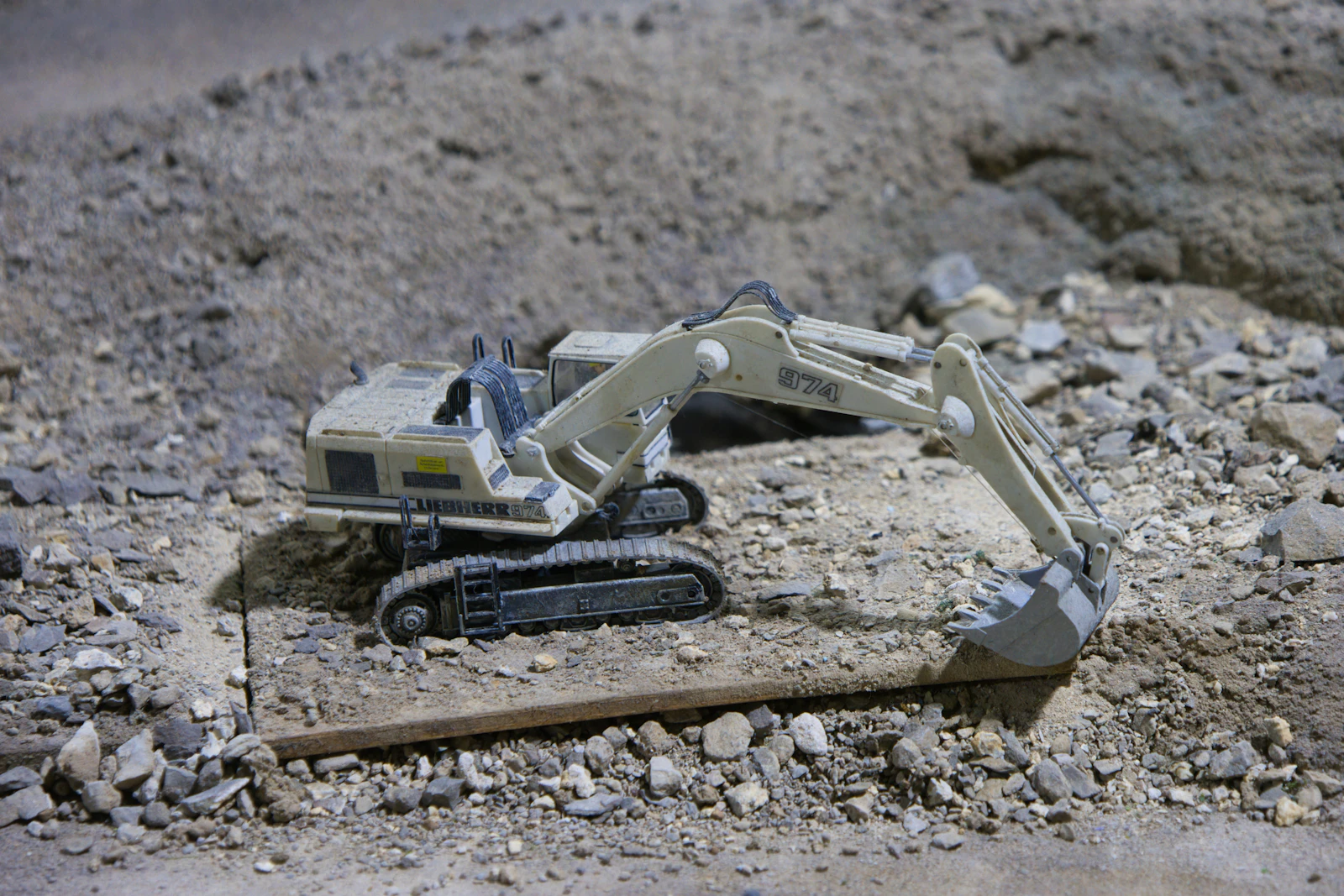
Mini Excavator Hire Costs Philadelphia 2026
For basement waterproofing scopes in Philadelphia (exterior foundation trenching, footing drain daylighting, sump discharge tie-ins, and backfill/restore), 2026 planning ranges for mini excavator equipment hire typically land around $250–$425/day, $700–$1,250/week, and $1,800–$3,400 per 28-day month for bare machines, assuming an 8-hour billed “day,” a 40-hour billed “week,” and a 28-day billing month. Actual branch pricing will vary by machine class (micro vs 3–4 ton), availability, and delivery constraints in the city. Published examples from national marketplaces and rate sheets show mini excavator day rates in the low-$200s for smaller classes and higher for heavier units, which is why most waterproofing contractors budget a range plus freight, waiver, and attachments. National rental houses (e.g., United Rentals and Sunbelt Rentals) and regional independents can all supply Philadelphia-area compact excavators, but your total hire cost is usually driven more by transport, off-rent rules, and add-ons than by the base day rate.
| Vendor |
Daily Rate |
Weekly Rate |
Review Score |
Website |
| United Rentals |
$353 |
$943 |
9 |
Visit |
| Sunbelt Rentals |
$300 |
$995 |
9 |
Visit |
| Herc Rentals |
$350 |
$985 |
8 |
Visit |
| The Home Depot Rental (Compact Power) |
$325 |
$1 100 |
9 |
Visit |
| BigRentz |
$312 |
$907 |
4 |
Visit |
2026 Mini Excavator Rental Rate Bands for Basement Waterproofing Crews
Basement waterproofing is a “tight-access + utility-risk + spoil-handling” profile. The right way to budget mini excavator rental rates in Philadelphia is to pick a machine class that matches access and trench depth, then layer in hire-cost multipliers (delivery, damage waiver, bucket set, and surface protection).
- Micro mini excavator (about 1–2 ton / ~2,000–4,000 lb class): Budget $250–$375/day, $700–$1,000/week, $1,800–$2,800/28-days. This class is often chosen for rowhome rear-yard access (narrow gates/alleys) and for minimizing paver/sidewalk damage. General market guidance for micro-class minis commonly falls in this band.
- Compact mini excavator (about 3–4 ton / ~6,000–9,000 lb class): Budget $300–$525/day, $850–$1,450/week, $2,000–$3,600/28-days. This is the “production” class when you need better breakout force for Philadelphia’s mixed fill/clay pockets, deeper reaches, or faster backfill cycles.
- Published example rate points (use as sanity checks, not quotes): BigRentz publishes sample mini excavator rates by operating weight, such as $197/day for a 4,000 lb unit, $242/day for an 8,000 lb unit, and $312/day for a 12,000 lb unit (with corresponding weekly and monthly examples). A separate published rate-sheet example shows a 3,500 lb mini excavator at $218.50 for a 24–48 hour “day,” $584.25/week, and $1,296.75/month, plus a comparable 6,000–7,500 lb mini at $232.75/day, $622.25/week, and $1,344.25/month (terms vary by contract and market).
Assumptions to state on every estimate: (1) bare machine (no operator), (2) standard bucket included only (often a 12-inch trenching bucket on smaller units), (3) excludes delivery/pick-up, (4) excludes fuel, cleaning, and damage waiver, (5) excludes tax, and (6) rates are planning allowances unless you have a written quote.
What Drives Mini Excavator Hire Pricing on Philadelphia Waterproofing Jobs?
On basement waterproofing, “mini excavator hire cost” is rarely just a day-rate decision. In Philadelphia, crews get surprised when the job is tight-access and the excavator has to be downsized (slower), when the street delivery becomes complicated (higher freight), or when return conditions (mud, clay, concrete splatter) trigger cleaning and damage charges.
1) Access width, tail swing, and surface protection
If your only access is a 36–42 inch gate or a narrow alley to a rowhome yard, you may be forced into a micro mini excavator class. That can keep base equipment hire lower, but it can add days to production. Budget additional ground protection mats if you must cross pavers, sidewalk slabs, or finished landscaping: a common allowance is $8–$15 per mat per day (quantity depends on travel path and turning radius). Add $75–$200 in labor time for daily mat moves on tight sites if you are tracking costs at the crew level.
2) Trench depth and reach (match the machine to the waterproofing detail)
Many waterproofing details target the exterior wall down to the footing elevation. If you’re using a micro machine, verify reach/dig depth before you lock the hire. A published spec example for a 2,000 lb class mini notes max digging depth around 6 feet (model dependent) with a standard 12-inch bucket. If your trench needs to go deeper (or you need room for stone + pipe + filter fabric), stepping up to a 3–4 ton class can reduce handwork and keep the schedule tighter, even if the daily equipment hire cost is higher.
3) Delivery, pick-up, and city logistics (where Philadelphia hits hardest)
Freight is often the single largest “hidden” component on short-duration equipment hire. A published transport formula example shows $120 each way plus $3.25 per loaded mile on a rental price sheet. In Philadelphia, you should also plan for:
- Delivery windows: many yards run standard jobsite delivery roughly 7:00 a.m.–3:00 p.m.; after-hours or guaranteed AM delivery can carry a premium of $100–$200 (allowance).
- Street staging and parking control: if the truck cannot stage close to the address (narrow blocks, permit constraints, blocked curb space), you may incur driver wait time—budget $95–$175 per hour after a 30-minute grace period (typical allowance).
- Minimum freight charges: even “short” deliveries commonly have $175–$300 minimums each way in metro markets (allowance). Combine trips (excavator + buckets + mats) when possible.
4) Damage waiver / rental protection plan and the real cost of risk
Most rental desks will offer a waiver (often labeled damage waiver or a rental protection plan) as a percentage of the rental amount. Sunbelt discloses fee structures and optional charge categories, and its Rental Protection Plan terms describe liability limitations and caps in specific cases (e.g., certain customer responsibility amounts capped at $500 per piece for some covered occurrences, subject to conditions and exclusions). For estimating, a practical planning allowance is 10%–15% of the base rental line, unless your master agreement or insurance program changes the approach.
5) Buckets and attachments (waterproofing adders that matter)
Basement waterproofing is bucket-sensitive: you’ll commonly switch between a narrow trenching bucket and a wider clean-up/grading bucket. Typical adders to carry in 2026 budgets:
- Extra bucket: $25–$45/day or $75–$140/week (allowance; varies by size and coupler type).
- Hydraulic thumb: $60–$120/day (useful for handling rock, debris, and concrete chunks during excavation).
- Quick coupler: $40–$75/day if not included (helps avoid unplanned downtime when swapping buckets).
- Hydraulic breaker (if needed for stoops/old concrete): published examples show breakers on rate sheets in the $251.75/day, $636.50/week, $1,448.75/month neighborhood (contract context varies).
Hidden-Fee Breakdown for Mini Excavator Equipment Hire
To keep mini excavator equipment hire costs predictable for Philadelphia waterproofing scopes, treat these as standard estimating “hooks” and clarify them on the PO:
- Fuel / refuel: many contracts require “return full.” If returned short, budget $7–$10 per gallon billed (allowance). Some vendors offer a prepaid fuel option (per-gallon price posted at the branch).
- Cleaning fees: clay/mud on undercarriage and tracks can trigger $175–$350 cleaning; hardened concrete splatter can be higher (allowance).
- Wear/damage items: ripped rubber tracks, bent bucket teeth, and cracked windows are common chargebacks. Carry a contingency of $150–$400 per job for “incidentals” if you routinely work in tight access.
- Late return / extra day: if the unit is not checked-in before cutoff (often around 2:00 p.m.), you can get billed another day (allowance; branch-specific).
- Hour-meter overage: many contracts assume an 8-hour day / 40-hour week; overages may bill at $45–$85 per hour (allowance) if you run extended shifts to beat rain.
- Environmental / admin fees: some invoices include 3%–7% shop/environmental/admin lines (allowance).
Philadelphia Taxes and Exemptions That Can Move Your Hire Total
Philadelphia’s combined sales tax rate is commonly shown as 8% (PA 6% plus Philadelphia local add-on), and Pennsylvania notes the Philadelphia add-on explicitly. However, the City of Philadelphia also notes that some construction machinery and equipment can be exempt from sales and use taxes if specific conditions apply. Because taxability can change based on who is renting, how the equipment is used, and documentation on file, your estimator should (1) confirm whether tax is being charged, and (2) ensure exemption certificates (if applicable) are current before the first invoice closes.
Budget Worksheet (Mini Excavator Hire Cost Allowances)
Use this as a non-table worksheet to build a realistic mini excavator equipment hire budget for a Philadelphia basement waterproofing project:
- Mini excavator base hire: 1 week @ $700–$1,250 (pick class based on access and required depth).
- Delivery + pick-up: $350–$650 total allowance (or apply $120 each way + $3.25/loaded mile if you’re using a published transport formula).
- Damage waiver / protection: 10%–15% of base hire (or per your MSA).
- Bucket set add-on: $100–$250 (extra trenching bucket + cleanup bucket allowance).
- Hydraulic thumb add-on (if handling rubble): $180–$360 for a 3-day use window.
- Ground protection mats: $150–$450 (e.g., 10 mats for 2–3 days at $8–$15 each/day).
- Cleaning / pressure wash risk: $200 allowance.
- Fuel / refuel risk: $75–$150 allowance.
- Contingency for damage/incidentals: $250–$500 (tight-access premium).
- Tax line: 0%–8% depending on exemption status and documentation.
Example: Rowhome Basement Waterproofing Trench With Tight Access
Example: A South Philadelphia rowhome needs an exterior trench along two walls for a footing drain and waterproofing membrane. Rear-yard access is through a 40-inch gate, so the crew selects a micro/compact mini excavator that can work tight and minimize hardscape damage. The estimator budgets:
- Base hire: 5 working days converted to 1 week @ $850 (planning number).
- Delivery + pick-up: $520 total (metro allowance reflecting city logistics and two-way freight).
- Extra bucket + grading bucket: $140 (one-week allowance).
- Damage waiver: 12% of base hire = $102.
- Mats: 12 mats for 3 days @ $12 each/day = $432.
- Cleaning risk: $200 (clay/mud return condition).
Projected mini excavator equipment hire subtotal (pre-tax): approximately $2,226. If the vendor charges the full Philadelphia combined sales tax, add up to 8% on taxable lines (about $178)—but treat tax as documentation-dependent. Operational constraints that protect this budget: (1) schedule delivery for a clear curb window, (2) photograph tracks/buckets at drop, (3) keep spoils staged away from the machine’s travel lane to reduce track packing, and (4) request off-rent instructions in writing so the unit doesn’t bill through the weekend.
Pricing reference notes: Example mini excavator rate points and weight-class guidance were drawn from published marketplace examples and rate sheets, and should be treated as planning references—not guaranteed Philadelphia branch quotes.
How to Control Mini Excavator Equipment Hire Cost on Waterproofing Scopes
For basement waterproofing, the “best” mini excavator hire cost is the one that protects your schedule while minimizing billable days, freight repeats, and return-condition penalties. The tactics below are written for a rental coordinator or estimator managing multiple Philadelphia jobs per week.
Re-rate early to avoid day-rate burn
If a job is slipping, call the rental desk before invoice close and ask whether your billing can convert from daily to weekly (or weekly to 28-day). Many national marketplaces display daily/weekly/monthly (often 28-day) structures, so you want your internal cost tracking aligned to that billing logic.
Plan for weekend billing and off-rent rules
Weekend billing surprises are common in Philadelphia when a unit is delivered Friday afternoon and can’t be picked up until Monday. To manage this:
- Ask for the branch’s off-rent process: some require a phone/email off-rent notice plus physical yard check-in before billing stops.
- Set a cutoff reminder: if cutoffs are around 2:00 p.m., schedule returns earlier to avoid an extra day (allowance; branch-specific).
- Holiday planning: carry a 1-day buffer on weeks with federal holidays if you rely on pick-up to stop billing.
Right-size attachments to avoid “small bucket, slow job” outcomes
Basement waterproofing needs consistent trench geometry. If the standard bucket is too narrow or too wide, productivity drops and hire days increase. Typical 2026 attachment allowances to keep the crew moving:
- Trenching bucket add-on: $25–$45/day.
- Cleanup/grading bucket add-on: $25–$45/day.
- Hydraulic thumb: $60–$120/day (often worth it when dealing with rubble or tight handoff of spoils).
- Hydraulic breaker (only if required): published example rate-sheet pricing shows $251.75/day and $636.50/week in one contract context; verify locally before you assume.
Delivery and Pick-Up: Philadelphia-Specific Cost Controls
Philadelphia is a dense delivery environment. Even when the mini excavator rental rate looks competitive, your total equipment hire cost can jump if the truck can’t access the drop, or if the driver waits while the site is prepped.
- Stage the drop zone: cones, temp signage, and a clear curb window can prevent $95–$175/hour wait-time adders (allowance) once the grace period (often 30 minutes) passes.
- Combine freight: request the excavator, buckets, mats, and any pump/hoses on a single delivery to avoid paying two minimums (often $175–$300 each way per trip as a metro allowance).
- Use a documented transport formula where applicable: some rate sheets publish freight like $120 each way + $3.25 per loaded mile, which is useful for budgeting and for validating invoices.
Return-Condition Standards That Prevent Chargebacks
Basement waterproofing creates mud and clay packing—especially around tracks and the blade. To protect your mini excavator equipment hire budget:
- Fuel expectations: if the contract is “return full,” treat missing fuel as $7–$10/gal risk (allowance). Some vendors offer prepaid fuel options at the branch’s posted per-gallon price.
- Cleaning: plan a 30–45 minute on-site cleanup at off-rent; it’s often cheaper than a $175–$350 cleaning line (allowance).
- Photo documentation: take start/end photos of bucket teeth, blade edges, and track condition to reduce disputes.
- Indoor dust-control (if your scope includes interior slab work): if the mini excavator is used in a covered or enclosed area (rare, but possible with certain compact/electric models), budget added cleanup and surface protection; dust-control failures can create non-equipment costs that still land on the job’s equipment hire line.
Operated vs. Bare Hire: When It Changes Total Cost
Some waterproofing contractors choose bare equipment hire (your crew runs the machine). Others bring an operated mini excavator when utilities are dense or the schedule is compressed. If you price operated work, typical 2026 budgeting is:
- Operated mini excavator: $110–$160/hour with a 4-hour minimum (allowance; depends on union environment, travel time, and scope complexity).
- Mobilization / travel: $150–$350 (allowance).
Operated service can look higher on paper, but it may reduce rental days, damage exposure, and rework risk on tight Philadelphia utility corridors.
Rental Order Checklist (Mini Excavator Equipment Hire)
Use this checklist to reduce missed charges and prevent invoice creep:
- PO and job identifiers: PO number, job address, site contact phone, and a required “call before delivery” note.
- Machine spec confirmation: operating weight class, tail swing (zero/standard), track type (rubber), and required dig depth/reach.
- Included accessories: confirm what is included (e.g., 12-inch bucket) versus billed add-ons; published micro-mini listings often include a 12-inch bucket as standard.
- Attachment list on the contract: extra buckets, thumb, coupler, mats—each serial-numbered if possible.
- Freight terms: delivery date/time window, pick-up request method, and whether freight is flat, minimum-based, or mileage-based (e.g., $120 each way + $3.25/loaded mile on some schedules).
- Billing rules: billed day length (often 8 hours), overtime/hour-meter policy, weekend/holiday billing, and return cutoff time.
- Protection plan decision: accept damage waiver/RPP or provide certificate of insurance; document the choice on the PO. Sunbelt publishes optional charge categories and RPP-related terms and conditions.
- Tax documentation: confirm whether sales tax is charged at 8% in Philadelphia and whether any construction machinery exemption documentation applies to your rental account.
- Condition at drop and pickup: photos, hour-meter reading at delivery, and a return condition note (cleaned/fueled).
2026 Cost Summary for Philadelphia Basement Waterproofing Estimating
For Philadelphia basement waterproofing, budget mini excavator equipment hire as a layered cost stack: base rent (day/week/28-day), freight, waiver, buckets/attachments, and return-condition risk. If you carry two freight moves at $175–$300 minimum each way, a 10%–15% waiver, and $200–$500 of return/incidentals, your “all-in” equipment hire cost can easily be 2× the base rent on short jobs. Using a written checklist, consolidating deliveries, and matching the excavator class to access and depth are the most reliable ways to keep 2026 mini excavator hire pricing predictable in Philadelphia.