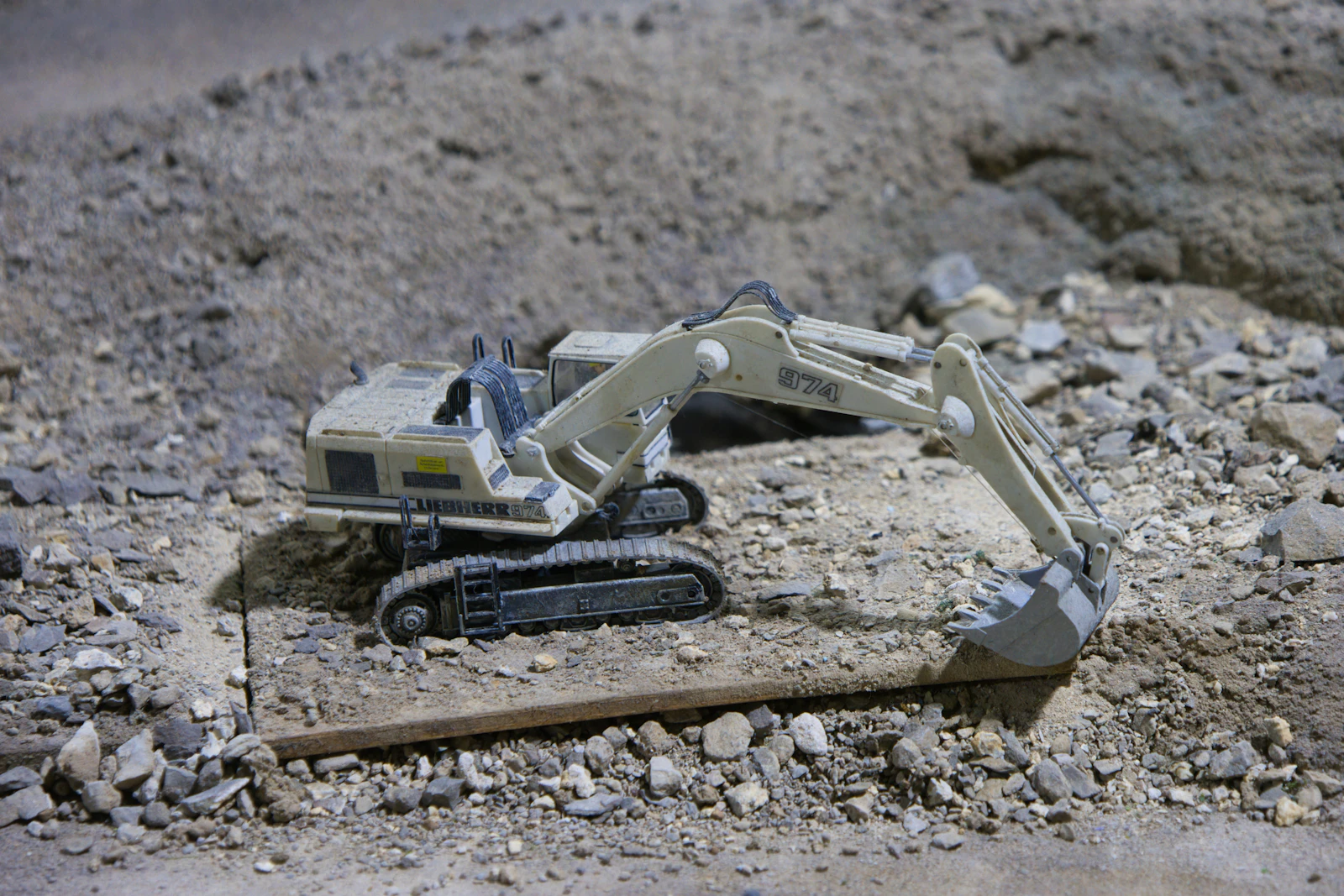
For 2026 planning in San Diego, mini excavator equipment hire for digging footings typically budgets (bare machine, no operator) at roughly $275–$575/day, $900–$1,950/week, and $2,500–$5,200 per 28-day month, with the spread driven by operating weight (1–2 ton vs. 5–6 ton class), cab/ROPS configuration, zero-tail swing demand, and whether you need a hydraulic thumb/quick coupler package. Published examples in and around the market show how wide the book-rate band can be: brokered San Diego ranges can start lower for smaller classes, while specialty/local rate sheets and regional rental houses publish higher day rates for enclosed-cab machines. Use these as budgeting anchors, then expect negotiated project pricing for multi-week footing scopes (especially when you can commit to a 4-week term and firm delivery windows).
| Vendor |
Daily Rate |
Weekly Rate |
Review Score |
Website |
| United Rentals |
$476 |
$1 452 |
9 |
Visit |
| Sunbelt Rentals |
$476 |
$1 452 |
9 |
Visit |
| Herc Rentals |
$476 |
$1 452 |
8 |
Visit |
| Sunstate Equipment |
$476 |
$1 452 |
9 |
Visit |
Mini Excavator Rental Rates San Diego 2026
Assumptions used for the 2026 hire-cost ranges below: bare equipment hire (no operator), one-shift utilization (commonly 8 hours/day), standard bucket included unless otherwise quoted, and a “month” treated as a 28-day/4-week billing period (common with national accounts). Taxes, delivery, fuel, and protection/cleaning are excluded so you can add them as explicit allowances. National providers (and many local houses) commonly quote daily/weekly/monthly rate tiers and then convert billing when the accumulated charges hit the next tier.
2026 San Diego budget bands by size class (bare machine):
- 1–2 ton (≈2,000–4,000 lb; tight access footings, utility work): $275–$375/day; $850–$1,250/week; $2,500–$3,700/28-day month.
- 3–4 ton (≈7,000–10,000 lb; common footing trench/grade balancing): $325–$475/day; $1,050–$1,600/week; $3,000–$4,600/28-day month.
- 5–6 ton (≈11,000–14,000 lb; deeper footings, heavier production): $425–$575/day; $1,450–$1,950/week; $3,900–$5,200/28-day month.
How this ties to published rates you can actually find: one regional rental house publishes a 12,000 lb mini excavator at $515/day, $1,545/week, and $4,635/month, including a stated weekend rate. Another published rate sheet shows an ~8,200 lb enclosed-cab mini excavator at $400/day, $1,200/week, and $2,600/month. Brokered San Diego “starting” points can appear lower by class (for example, an ~8,000 lb unit shown at $242/day and $728/week), which is useful for low-end budgeting but should be stress-tested against availability, cab/attachment requirements, and delivery terms.
What Drives Mini Excavator Equipment Hire Cost for Digging Footings in San Diego?
For footing excavation, the lowest day rate is rarely the lowest installed cost. Rental coordinators in San Diego generally see the total mini excavator hire cost move the most due to (1) right-sizing for production (cycle time + spoil handling), (2) delivery/pickup and site access constraints, and (3) configuration adders (thumb, quick coupler, bucket set) that reduce labor hours and rework. If your footing work is in dense neighborhoods (North Park, Hillcrest, downtown) or coastal areas with limited staging, the scheduling friction (tight delivery windows, lane closures, spotter requirements) can easily outweigh a $50/day swing in base rate.
High-impact cost drivers for footing scopes:
- Machine class: moving from ~8,000 lb to ~12,000 lb frequently adds $75–$175/day, but can cut the footing dig duration by a full shift when you’re loading spoil efficiently.
- Cab vs. open ROPS: enclosed cab often carries a premium of roughly $25–$75/day, but may be necessary for dust/noise controls or operator comfort on longer shifts.
- Zero-tail swing demand: tighter sites and shoring proximity can push you into a higher-demand model, affecting weekly availability and sometimes rate.
- Shift utilization limits: many agreements price on one-shift use; excess hours can bill as a fraction of the base rate (e.g., 1/8 of the daily for each extra hour on a daily rental).
Footing Digging Configurations That Change the Hire Price (Buckets, Thumb, Couplers)
Digging footings is usually a bucket-and-grade-control job, but the rental configuration still matters. To keep your mini excavator equipment hire cost predictable, define the bucket set and connection style up front (pin-on vs. quick coupler), and confirm what is included in the base quote (many providers include one bucket, then charge for additional buckets/attachments).
2026 budgeting adders commonly used on footing packages (allowances, not guaranteed prices):
- Extra trench bucket (12 in. / 18 in.): $15–$35/day or $45–$110/week.
- Smooth bucket for finish/cleanup: $20–$45/day or $60–$140/week.
- Hydraulic thumb (if not already on the machine): $75–$150/day or $250–$500/week.
- Quick coupler (to make bucket swaps economical): $25–$60/day or $90–$200/week.
- Grading/ditching bucket (48–60 in.): $45–$95/day or $150–$325/week.
If the footing work includes demo or rock, a breaker attachment can dominate the rental spend (often $225–$450/day depending on size class), and may also trigger higher wear/cleaning scrutiny at return.
Hidden-Fee Breakdown for Mini Excavator Hire in San Diego
When you’re building a true equipment hire cost for a footing package, treat the “day rate” as only one line item. The following are the most common cost lines that change the total for San Diego mini excavator rentals. Use them as estimating allowances unless your supplier has confirmed exact charges in writing.
- Delivery / pickup (move-in/move-out): budget $175–$350 each way inside a typical metro radius, or a flat minimum (often around $250) for short hauls. Tight access or liftgate/rollback constraints can add $75–$150.
- Mileage-based delivery (when used): budget $4–$8 per mile round trip beyond a base radius (commonly 10–20 miles).
- After-hours / weekend delivery window: budget a $125–$250 dispatch premium if you need a 6:00–7:00 a.m. gate-time delivery or a Saturday move-in.
- Damage waiver / rental protection plan: budget 10%–15% of the rental charges (equipment-only) if you’re not providing your own coverage and certificate language.
- Environmental / admin fees: budget 5%–9% on top of rent (varies by supplier and contract terms).
- Cleaning: budget $85–$250 if the unit returns with caked clay, concrete spatter, or excessive mud in the undercarriage; severe cleaning can exceed $300 when track frames are packed.
- Fuel / refuel: if the unit is returned below the required level, budget a refuel charge at a posted rate (commonly $6.00–$10.00/gal). For municipal/emergency T&M contexts, you may even see explicit fuel usage adders (example language shows $8.00/gal plus 15%).
- Late return / off-rent cutoffs: if you miss the off-rent notification cutoff (often midday), you may pay an additional day. Also confirm whether weekends/holidays are billable when the machine is on site but not working.
San Diego-Specific Operating Constraints That Affect Equipment Hire Cost
San Diego footing work regularly encounters cost-affecting constraints that are easy to miss in a generic rental budget:
- Delivery timing vs. traffic: I-5/I-8 congestion and downtown delivery restrictions often force narrower delivery windows; if your site only accepts deliveries between 9:00 a.m. and 2:00 p.m., plan for schedule premiums or a longer lead time.
- Coastal sand/loose soils: in beach-area or bay-adjacent work, you may need a wider bucket or a different spoil handling plan (more trips, more time on rent) to maintain production and trench stability.
- Hillside/canyon access: for lots with steep driveways (common in certain neighborhoods), confirm truck access and whether you need a smaller machine class plus additional rental days, versus one larger machine with a clean one-day dig.
Practical note for footing scopes: If you expect multiple mobilizations (e.g., dig footings, wait for inspection, then backfill), a weekly-to-monthly conversion strategy often lowers the effective rate—but only if you can keep the unit working or at least keep it on rent without paying repeated move charges.
Budget Worksheet (Mini Excavator Equipment Hire Cost Allowances)
Use this as a no-surprises budgeting worksheet for a San Diego mini excavator hire package tied to digging footings. Adjust quantities/durations to your scope and inspection sequencing.
- Mini excavator (3–4 ton class) bare rent: 5 days @ $325–$475/day allowance.
- OR weekly rent alternative: 1 week @ $1,050–$1,600/week allowance.
- Hydraulic thumb adder: 5 days @ $75–$150/day allowance.
- Quick coupler adder: 5 days @ $25–$60/day allowance.
- Extra trench bucket set: 5 days @ $15–$35/day allowance.
- Delivery + pickup: 2 moves @ $175–$350 each way (or $250 minimum) allowance.
- After-hours delivery window premium (if needed): 1 @ $125–$250 allowance.
- Damage waiver / protection: 10%–15% of rental charges allowance.
- Environmental/admin fees: 5%–9% of rental charges allowance.
- Cleaning contingency: $150 standard, $300 worst-case (undercarriage packed) allowance.
- Fuel/refuel contingency: $75–$200 (or posted $6–$10/gal if supplier fuels it) allowance.
- Downtime/inspection float: 1–2 extra days at the day rate if the machine must remain on site between footing dig and inspection.
Rental Order Checklist (PO, Delivery, and Return Requirements)
Rental coordinators can reduce change orders and disputed back-charges by standardizing the order and closeout steps:
- PO scope language: “Mini excavator equipment hire cost for digging footings; bare unit; one-shift use (8 hrs/day) unless otherwise authorized; include 1 bucket; list all attachments explicitly.”
- Term definition: confirm whether “monthly” means 28 days/4 weeks and whether the supplier auto-converts daily-to-weekly-to-monthly when thresholds are met.
- Delivery details: exact address, contact name, phone, site gate hours, truck access notes (grade, alley width), and any required COI/endorsements before dispatch.
- Delivery acceptance: note hour meter reading at delivery; photograph all panels, boom/stick, bucket linkage, and tracks; keep photos in the job folder.
- Off-rent process: confirm off-rent cutoff time (e.g., noon) and whether “on site awaiting pickup” is billable through next day.
- Return condition: remove excessive soil from tracks/undercarriage; document fuel level; confirm bucket/attachment count; photograph again before pickup.
- Damage/incident reporting: same-day notice with photos to reduce disputed repair billing.
Example: 3-Day Footing Dig With Real Constraints (San Diego)
Scenario: small commercial addition requiring new strip footings, limited staging (single driveway), deliveries permitted 9:30 a.m.–1:30 p.m. only, inspection scheduled morning of day 3. You select a ~10,000–12,000 lb mini excavator to maintain production and reduce handwork.
- Base rent (bare machine): 3 days @ $425/day = $1,275 allowance.
- Hydraulic thumb: 3 days @ $120/day = $360 allowance.
- Quick coupler: 3 days @ $40/day = $120 allowance.
- Extra trench bucket: 3 days @ $25/day = $75 allowance.
- Delivery + pickup: $300 each way = $600 allowance (tight window).
- Damage waiver: 12% of rent lines ($1,830) = $220 allowance.
- Environmental/admin: 7% of rent lines ($1,830) = $128 allowance.
- Cleaning contingency: $200 allowance (clay site, packed tracks).
Resulting equipment hire cost budget: approximately $2,978 before tax/fuel. The cost “swing risk” is dominated by the $600 move cost and whether you keep the machine on rent through inspection (versus off-renting and risking a second move-in charge).
Operated Vs. Bare Mini Excavator Hire Cost (When Footings Need an Operator Included)
If your footing work is schedule-critical or requires a qualified operator provided under a time-and-material structure, you may see “operated” hourly rates rather than bare rent. As an example of locally published T&M rate schedules, a City of San Diego exhibit shows mini excavator hourly rates expressed as bare and operated (e.g., bare rates listed in the $60–$70/hr range with operated rates higher), and another schedule lists an “Excavator Mini” bare rate at $50/hr within its equipment rate section (with additional fuel and percentage adders referenced).
For budgeting: if your supplier enforces one-shift limits, excess utilization can also bill by formula (e.g., 1/8 of the daily charge per extra hour on a daily rental), so confirm whether your footing plan includes extended hours or Saturday pushes.
Ownership Vs. Equipment Hire Cost Notes for 2026 Footing Programs
For San Diego contractors doing recurring footing work, rental-versus-own decisions often come down to utilization and mobilization frequency rather than base rate. A simple planning heuristic is:
- If you routinely keep a mini excavator utilized >12–16 days/month across multiple sites, compare a negotiated long-term rent (often priced below month-to-month) against ownership carrying costs.
- If your scopes are inspection-driven with frequent idle time, hire is usually cleaner because you can off-rent between phases—provided your off-rent cutoffs and pickup windows are realistic.
- If your work requires specialty attachments (tilt bucket, breaker) only occasionally, hire keeps that cost variable instead of capitalized.
Documentation and Closeout Practices That Protect Your Mini Excavator Hire Budget
- Hour meter controls: log start/stop hours daily; flag abnormal utilization before you get billed for over-shift time.
- Return photos: focus on tracks, counterweight corners, cab glass, and bucket linkage to defend against disputed damage.
- Fuel and cleanliness proof: photo the fuel gauge and undercarriage condition before pickup to reduce refuel and cleaning back-charges.
- Attachment count verification: confirm you return every bucket/pin/coupler component; lost pins and missing teeth can trigger replacement charges.
If you want, share your expected footing linear footage, typical trench depth/width, and whether you need zero-tail swing; I can tighten the recommended mini excavator class and the equipment hire cost allowance (day vs. week vs. 28-day month) specifically for San Diego delivery realities.