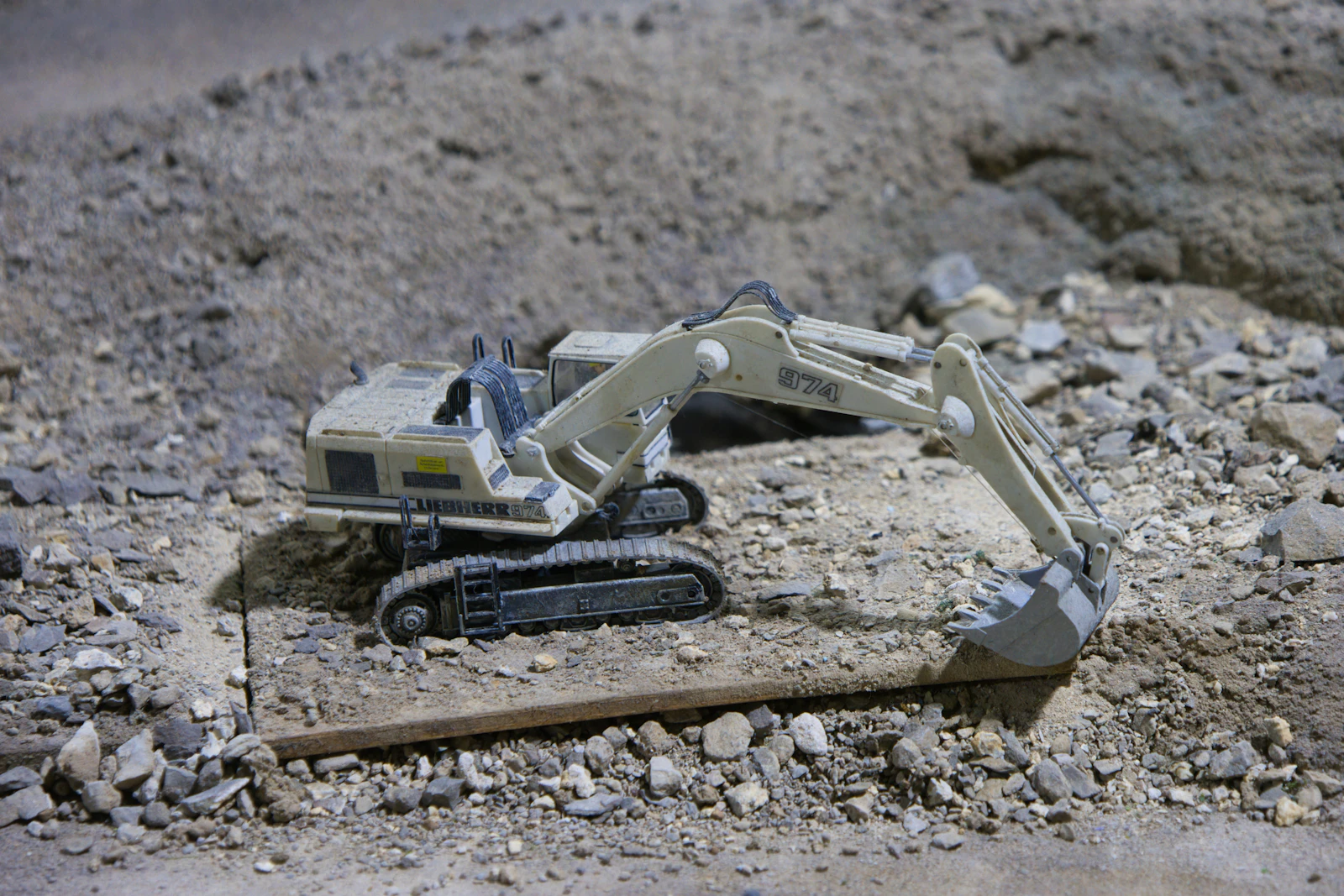
For Seattle basement waterproofing, 2026 budgeting for mini excavator equipment hire typically lands in three bands: compact 4,000–8,000 lb machines at roughly $200–$330/day, $650–$1,050/week, and $1,450–$2,200/4 weeks; mid-size 10,000–12,000 lb units at $280–$450/day, $900–$1,450/week, and $2,400–$3,200/4 weeks; and larger 16,000–18,000 lb minis at $380–$575/day, $1,100–$1,750/week, and $3,000–$4,100/4 weeks, before delivery, waiver, and cleaning. Seattle-area branches of national fleets (e.g., United Rentals, Sunbelt, Herc) plus regional yards commonly support waterproofing contractors with zero-tail swing and rubber-track configurations; the cost swing is usually driven by trucking access, off-rent rules, and return condition expectations more than the base day rate. Online benchmarks for Seattle also show 4,000 lb and 8,000 lb minis quoted around $197/day and $242/day respectively, which is useful for validating quote reasonableness when you add Seattle’s logistics layer.
| Vendor |
Daily Rate |
Weekly Rate |
Review Score |
Website |
| Star Rentals |
$320 |
$1 190 |
10 |
Visit |
| Sunstate Equipment Co. |
$390 |
$990 |
8 |
Visit |
| Darling Sons International (Darling Sons LLC) |
$563 |
$1 500 |
8 |
Visit |
| Miller's Rent-All |
$563 |
$2 250 |
9 |
Visit |
Mini Excavator Rental Rates Seattle 2026
Use the ranges below as planning numbers for mini excavator hire cost in Seattle (assumes 8-hour meter day, 40-hour week, and a 4-week/28-day “month” structure that many major rental systems use).
- 4,000–5,000 lb (≈1.8–2.5 ton): $200–$330/day; $650–$1,050/week; $1,450–$2,200/4 weeks. (Seattle online example: $197/day, $520/week, $1,456/month.)
- 8,000 lb class (≈3.5–4 ton): $230–$375/day; $725–$1,200/week; $1,950–$2,700/4 weeks. (Seattle online example: $242/day, $728/week, $1,966/month.)
- 12,000 lb class (≈5–6 ton): $280–$450/day; $900–$1,450/week; $2,450–$3,250/4 weeks. (Seattle online example: $312/day, $907/week, $2,466/month.)
- 16,000–18,000 lb class (≈7–9 ton): $380–$575/day; $1,100–$1,750/week; $3,000–$4,100/4 weeks. (Seattle online examples show $416/day with weekly/monthly in the ~$1,005–$1,278/week and ~$3,009–$3,048/month range depending on class.)
Reality check using local published day rates: a Seattle-area listing for 1.5–7 ton minis shows daily rates like $295/day (1.5 ton), $310/day (2 ton), $375/day (5 ton), and $425/day (7 ton). Treat this as a spot-check only (availability, term, and trucking can materially change the delivered cost).
What Drives Mini Excavator Hire Pricing for Basement Waterproofing in Seattle?
Basement waterproofing excavation is usually a “tight access + sensitive surfaces” scope. In Seattle neighborhoods (Ballard, Queen Anne hillsides, West Seattle slopes, Ravenna lots with mature landscaping), the mini excavator itself is only part of the equipment hire cost story. The most common drivers:
- Machine size vs. access width: a 2-ton machine may pass through a 36–40 inch gate, while a 5–6 ton unit may need 48–60 inches clear. When access is constrained, you may pay a higher day rate for a narrower zero-tail unit to avoid labor-heavy hand digging.
- Rubber tracks and surface protection: waterproofing jobs frequently require plywood/track mats to protect driveways and patios; add a mat rental allowance plus added labor time for placement and retrieval.
- Cab vs. canopy: Seattle rain and shoulder-season work often pushes crews toward enclosed cab (comfort and productivity). Expect cabbed units to price above open ROPS.
- Attachments for production control: waterproofing trenches often benefit from a 12-inch or 18-inch trenching bucket and a 36-inch clean-out bucket; some rentals include one bucket, while additional buckets are chargeable add-ons (confirm at order).
- On-site spoil handling: if you can’t stockpile (tight lots, landscaped yards), you may keep the excavator longer waiting for haul-off, raising the 4-week utilization risk.
Hidden-Fee Breakdown
When estimating mini excavator equipment hire costs in Seattle, build a “non-negotiable fees” layer so the project manager doesn’t burn contingency. Typical line items to confirm on the quote and contract:
- Delivery / pick-up: commonly charged each way, sometimes as a flat fee inside a radius and mileage beyond. A published benchmark price sheet shows $120 each way + $3.25 per loaded mile for delivery-style charges, which is a useful reference point for what “each way + mileage” looks like in practice.
- Minimum rental charge: some accounts see 1-day minimum; some allow a 4-hour “half-day” category. If your trenching is a single shift, a half-day can reduce cost—unless trucking forces a full-day minimum.
- Off-rent rules and dispatch cutoff: many yards require an off-rent call by mid-afternoon (often around 2:00–3:00 PM) to stop billing the next day; miss it and you can buy another day even if the machine is idle.
- Damage waiver / rental protection: frequently priced as a percentage of time charges (often 10%–15%). If you waive it, you may need a COI with limits and endorsements aligned to the rental contract.
- Environmental / admin fees: often an extra 3%–5% applied to time + some services.
- Fuel / refuel / recharge: minis are usually delivered full; returns are expected full. Budget a refuel/handling line such as $25–$75 if you can’t top off, plus potential premium if they dispatch a service truck.
- Cleaning: Seattle’s wet soils can drive “excessive cleaning” charges. Carry a $150–$400 allowance for caked mud on tracks/undercarriage if you can’t pressure-wash before pickup.
- Wear and tear / damage items: track cuts, bent bucket teeth, damaged hydraulic quick-couplers. A practical estimator allowance is $250 for minor track/undercarriage incidentals when working near rebar, broken concrete edges, or demolition debris.
- Weekend/holiday billing: clarify whether a Friday delivery and Monday pickup bills 1, 2, or 3 days. Some policies effectively bill the weekend unless off-rented and physically returned before cutoff.
Basement Waterproofing Constraints That Change Real Hire Cost
Basement waterproofing excavation tends to inflate the “true” mini excavator hire cost because it is not a simple open-field dig:
- Utility congestion: Seattle infill lots and older services increase the likelihood of slow, daylighting-style excavation. That can shift you from a 2-day rental plan to a 1-week rental in practice.
- Dewatering and rain management: even if you don’t hire a pump from the same yard, the excavator may be kept on rent while you manage water and keep the trench safe to work.
- Foundation protection and spoil placement: waterproofing crews often need a small working corridor (e.g., 24–36 inches) along the foundation. If spoil cannot be placed nearby, a mini excavator alone may not be sufficient and you may add a track loader or mini skid—changing delivery logistics (multiple drops) and increasing damage waiver base.
- Indoor dust-control requirements (if tie-in work goes inside): if the rental yard requires the excavator to be returned “construction clean,” plan extra time for washdown; otherwise, cleaning fees apply.
Example: Basement Waterproofing Mini Excavator Hire Estimate (Seattle)
Example: A Ballard basement waterproofing scope requires ~90 linear feet of perimeter trench, average 6 feet deep, with a narrow side-yard access and a strict pickup window (no trucks after 3:30 PM due to neighborhood congestion). You select a 3.5–4 ton rubber-track zero-tail mini for stability and reach.
- Base rent assumption: 1 week at $900–$1,200 (weekly often beats stacking 5 daily charges once you cross 3–4 working days).
- Delivery + pickup: assume $175–$325 each way inside Seattle, or “each way + mileage” if outside the normal zone; carry $500 as an all-in trucking allowance if access requires a smaller truck and a timed delivery window. (Benchmark for each-way + mileage structures exists at $120 each way + $3.25/loaded mile.)
- Damage waiver: 12% of time charges (allowance) = ~$110–$145.
- Attachments: add a trenching bucket and clean-out bucket allowance of $25–$60/day each if not included; assume $150 for the week if billed weekly.
- Track mats / surface protection: allow $120–$250 for the term (plus labor) to protect pavers and reduce track scarring.
- Cleaning exposure: allow $250 because wet clay/mud on tracks is common in Seattle shoulder seasons.
Budget takeaway: even with a “$1,000/week” machine, your controllable all-in equipment hire subtotal commonly lands around $1,600–$2,600 once trucking, waiver, and return condition risks are covered. The easiest way to reduce cost is to control dispatch timing (avoid an extra billed day) and return-clean expectations.
Budget Worksheet
- Mini excavator hire (3.5–4 ton, rubber track, zero tail): $900–$1,200/week allowance
- Additional bucket(s) (12-inch trenching, 24-inch digging, 36-inch clean-out): $25–$60/day each allowance
- Hydraulic thumb (if required for rock/tear-out control): $40–$85/day allowance
- Delivery (each way): $175–$325 allowance
- Timed/after-hours delivery window premium (if needed): $150–$250 allowance
- Damage waiver / rental protection: 10%–15% of time charges allowance
- Environmental/admin fees: 3%–5% allowance
- Fuel/refuel handling: $25–$75 allowance
- Cleaning (mud/undercarriage): $150–$400 allowance
- Track mats / plywood protection package: $120–$350 allowance
- Minor damage/consumables contingency (teeth, hoses, track cuts): $250–$500 allowance
Rental Order Checklist
- PO and account setup: confirm billing address, tax status, and whether a deposit/credit card hold is required (carry an internal placeholder of $500–$2,500 for new/one-off accounts depending on machine class).
- Exact machine spec: operating weight class, zero-tail vs conventional tail, rubber tracks, cab vs canopy, and required dig depth (common waterproofing target is 6–8 feet; confirm reach for safe slope and foundation offset).
- Attachments: list bucket widths (e.g., 12-inch trenching + 24-inch general purpose + 36-inch clean-up), quick-coupler type, and whether a hydraulic thumb is needed.
- Delivery logistics: site address, gate width, overhead clearance, slope/grade notes, and the requested delivery window. In Seattle, plan for traffic-sensitive windows; if you miss the window, some dispatch systems can add a re-delivery or “wait time” charge (carry $75–$150/hour as an allowance if trucks are likely to be delayed on-site).
- Utility locate and dig authorization: confirm locate ticket status before the machine arrives to avoid paying a full billed day for a no-dig situation.
- Off-rent plan: schedule the off-rent call and pickup timing in advance; set a calendar reminder for the dispatch cutoff (often ~2:00–3:00 PM).
- Return condition documentation: take start/end photos (tracks, bucket cutting edge, cab, hour meter). This is the fastest path to resolving cleaning/damage claims.
Attachments And Accessories That Commonly Add To Basement Waterproofing Hire Cost
Mini excavator base rent is only half of a waterproofing equipment plan. If you’re trenching close to foundations, your cost control improves when you pre-select attachments instead of “whatever is on the yard” at delivery.
- Hydraulic hammer/breaker (if you hit concrete stoops/paths): budget $250–$350/day or $600–$950/week. A published benchmark shows a mini-excavator-sized hydraulic hammer at $251.75/day, $636.50/week, and $1,448.75/month.
- Mini ex auger (for sump discharge drywell/post holes): budget $95–$175/day; one published benchmark lists $95/day, $228/week, $513/month for an auger attachment.
- Extra buckets: budget $25–$60/day per bucket for specialty sizes if not included. For waterproofing, the 12-inch trenching bucket is the “productivity” bucket; the 36-inch clean-out bucket reduces handwork for drain rock placement and backfill shaping.
- Hydraulic thumb: budget $40–$85/day when you expect rocks, demo debris, or need controlled placement around downspout lines.
- Track mats/ground protection: budget $8–$15 per mat per day (or a weekly package) when working over pavers, stamped concrete, or soft lawns typical of Seattle residential lots used by trade crews.
- Fueling and spill protection kit: budget $25–$60 to stay compliant with site expectations and avoid cleanup downtime.
Delivery, Off-Rent, Weekend Billing, And Return Rules (Where Costs Usually Leak)
Equipment managers can keep mini excavator hire cost predictable by controlling a few operational variables:
- Delivery windows and cutoffs: if the truck arrives after your crew has started interior prep work, you can lose half a shift. Consider paying a timed delivery premium ($150–$250) to protect production on waterproofing schedules where excavation gates the whole system.
- Weekend billing exposure: if you take delivery Friday and don’t off-rent until Monday, you may get billed Saturday/Sunday depending on the yard’s policy. A conservative estimator rule is to add 1–2 extra billed days whenever a rental crosses a weekend unless you have written confirmation otherwise.
- Late return penalties: clarify whether billing is “per calendar day” or “per 24 hours.” Carry a placeholder penalty of $75–$150 (or up to a full extra day) if your pickup misses the dispatch window.
- Return fuel and cleanliness: set a crew expectation to refuel and scrape mud before pickup. This is the most common avoidable fee on Seattle wet-soil digs (budget exposure: $150–$400 cleaning plus $25–$75 fuel handling if skipped).
Seattle-Specific Estimating Notes For Basement Waterproofing Equipment Hire
- Wet weather productivity: if rain is forecast, consider moving from “daily” thinking to a weekly rental so you’re not forced into a stop/start pattern that triggers extra delivery cycles (each way trucking is often the biggest non-productive cost).
- Hillside access and staging: Seattle’s grades can require different truck approaches, smaller delivery vehicles, or staged drops, which can add $150–$300 in dispatch complexity versus a flat suburban driveway.
- Dense neighborhoods and alley work: alley deliveries can increase wait time; carry $75–$150/hour for truck standby if your jobsite cannot receive the machine immediately.
If you want, share the planned dig depth, access width, and whether you need a breaker or thumb, and I can convert these Seattle 2026 planning ranges into a tight allowance specifically for your basement waterproofing sequence (still without naming any single vendor price as “the” price).