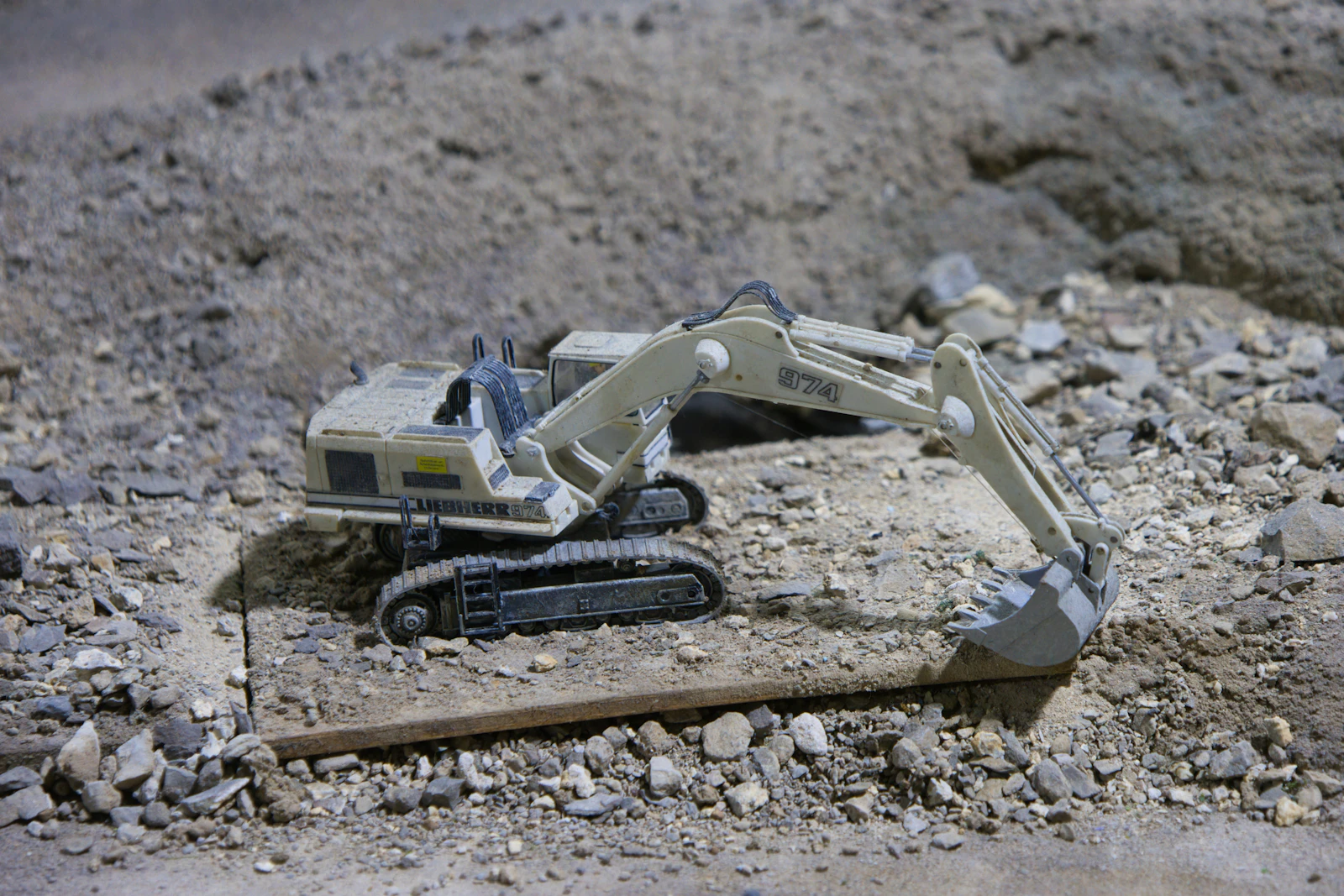
For Washington (DC metro) plumbing rough-in trenching, 2026 planning budgets for mini excavator equipment hire typically land in the following base-machine ranges (single shift, machine-only, before delivery/fuel/attachments): $275–$525/day, $900–$1,450/week, and $2,300–$4,200 per 28-day month for the common 4,000–11,999 lb class; larger 12,000–19,000 lb minis often plan at $460–$650/day, $1,150–$1,750/week, and $2,900–$5,000 per 28 days depending on cab/ROPS, zero-tail-swing demand, and site access. National vendors with DC-area branches (e.g., United Rentals, Sunbelt Rentals, Herc Rentals) generally publish day/week/4-week structures via online catalogs, but branch availability, contract discounts, and delivery constraints drive final invoice values more than the sticker rate on many urban plumbing rough-in scopes.
| Vendor |
Daily Rate |
Weekly Rate |
Review Score |
Website |
| United Rentals |
$280 |
$750 |
4 |
Visit |
| Sunbelt Rentals |
$225 |
$795 |
7 |
Visit |
| Herc Rentals |
$411 |
$1 045 |
8 |
Visit |
| The Home Depot Tool Rental |
$250 |
$950 |
4 |
Visit |
| EquipmentShare |
$305 |
$1 050 |
6 |
Visit |
Mini Excavator Hire Costs Washington 2026
The ranges above are appropriate for estimating equipment hire costs when your plumbing rough-in scope includes trenching for building sewer, water service, storm tie-ins, or underground vent/overflow runs where a compact footprint matters (rowhouse blocks, alleys, tight setbacks, interior courtyards). They assume a “standard rental shift” model (commonly 8 hours/day, 40 hours/week, 160 hours/4 weeks)—a key point because overtime hours can bill as a fractional add-on to the base rate. For example, one published policy describes overtime billing at 1/8 of the daily rate per hour (daily rentals) and 1/40 of the weekly rate per hour (weekly rentals).
Assumptions for Washington planning: machine-only rental (no operator), standard bucket included, no dewatering, no shoring/trench box, normal wear-and-tear, and return in acceptable condition. Taxes, permits, street occupancy, and traffic control in DC can be material on plumbing rough-in trenching but are treated as project overhead—still, they can indirectly increase equipment hire duration when work windows get compressed.
What Size Mini Excavator Is Typical For Plumbing Rough-In In Washington?
For most plumbing rough-in trenching in the Washington, DC area, coordinators commonly choose one of three mini excavator classes—each with different mini excavator hire rates and transport requirements:
- 4,000–6,999 lb class (roughly 2–3.5 ton): Best for tight access and lighter trenching. Planning range: $300–$500/day, $800–$1,350/week, $1,600–$3,900 per 28 days (wide because some published lists show lower “list” rates while urban branch demand pushes street pricing up).
- 7,000–11,999 lb class (roughly 3.5–5.5 ton): The “workhorse” for deeper/longer utility trenching and faster production, often preferred when you must complete in one mobilization window. Planning range: $325–$525/day, $900–$1,450/week, $1,770–$4,200 per 28 days.
- 12,000–19,000 lb class (roughly 6–9 ton “large mini”): Useful when spoils handling and reach matter, or when trenching in heavier soils with strict schedule constraints. Planning range: $460–$650/day, $1,150–$1,750/week, $2,869–$5,000 per 28 days.
Practical DC note: alley widths, bollards, and staged material often force a smaller unit even when production would justify the bigger mini. If you upsize the machine, you may also upsize the delivery truck requirement—raising transportation and “missed delivery” risk.
Key Cost Drivers That Change Mini Excavator Equipment Hire Pricing
For plumbing rough-in scopes, the invoice delta between “budget” and “painful” is usually driven by operational constraints, not the base day/week/month number. Focus on these drivers when estimating mini excavator equipment hire costs in Washington:
- Rental term selection: If you’re at 3–4 days expected duration, ask whether the branch auto-converts to the weekly rate when daily accumulates to the weekly cap. (Policies vary by contract.)
- Shift hours / overtime: If the site is running extended hours (or you’re catching up after an inspection fail), overtime can bill hourly using a fraction of the base (e.g., weekly/40 per extra hour).
- Cab vs. open ROPS: A cab often costs more, but can reduce schedule risk during wet/cold weeks—sometimes cheaper overall if it prevents downtime.
- Zero-tail-swing demand: In tight DC setbacks, zero-tail is operationally safer and may be priced at a premium when fleet is tight.
- Undercarriage and surface protection: Rubber tracks help on hardscapes, but damage/cleaning penalties rise when the machine comes back packed with clay or concrete slurry.
- Plumbing rough-in production plan: If trench backfill and compaction are not coordinated, you hold the excavator on rent while waiting on stone, compaction equipment, or inspection windows.
Hidden-Fee Breakdown (Delivery, Fuel, Damage Waiver, Cleaning)
Use this checklist-style breakdown to estimate “all-in” equipment hire cost, not just the base mini excavator rate:
- Delivery / pick-up: Typical DC-area planning allowance is $250–$350 each way inside a close radius, with mileage adders often budgeting at $4–$7 per mile outside the base zone. Some published public price lists show transport items stated as $250 each way within 30 miles (as a benchmark).
- After-hours / constrained window delivery: Budget $150–$300 if you require a very early drop (before a typical crew start) or a narrow “must deliver by” window to avoid DC congestion/street occupancy conflicts.
- Wait time / demurrage risk: If the truck cannot stage due to curb restrictions, budget $100–$175 per hour for waiting (varies widely). This is common on tight blocks where a spotter is required and the curb lane isn’t truly available.
- Damage waiver / rental protection: Common planning range is 10%–15% of the base rental charges (machine + some attachments). Clarify what’s excluded (e.g., theft, misuse, undercarriage).
- Environmental / admin fees: Many accounts see line items in the 3%–7% range applied to rental and/or services; confirm whether it applies to transportation.
- Fuel / refuel charges: If returned short on fuel, budget $6–$9 per gallon equivalent. If you require vendor fueling on site, expect a service charge plus fuel at a marked-up rate.
- Cleaning fees: Mud-packed tracks, clay in the undercarriage, or concrete contamination can trigger $150–$450 cleaning charges. In DC where many sites are hardscape-heavy, add a $250 “worst-case cleaning” allowance to protect the estimate.
- Late return / extra day exposure: Missing the pickup cutoff can convert into a billable extra day. Budget a “return slippage” allowance equal to 1 additional daily rate if access is uncertain.
Attachments And Accessories Pricing For Utility Trenching
For plumbing rough-in, the “right” attachment often beats upsizing the machine. Published public price lists show that even simple buckets and couplers can be meaningful add-ons over a 2–4 week run. Use the following planning adders (machine class dependent):
- Trenching bucket add-on: As a benchmark from a published list, mini-excavator bucket options can price around $22/day, $55/week, and $152/month per bucket (e.g., specific trench/smooth configurations).
- Swing coupler: A published benchmark shows around $60/day, $157/week, $455/month (class-dependent).
- Thumb attachment: One published benchmark indicates $81/day, $211/week, $385/month. (Useful if you’re managing demo debris while trenching.)
- Hydraulic breaker: If you’re likely to hit old concrete/brick or need to open a slab edge, a published benchmark for certain breaker classes is $428/day, $1,212/week, $2,485/month (verify compatibility and tool size).
Estimator reminder: confirm whether the mini excavator hire includes a standard bucket and whether switching buckets is included or billed as a separate attachment line item. On plumbing rough-in, an 18 in. bucket may be too wide for some service runs; a 12 in. trenching bucket can reduce spoils and restore costs.
Washington-Specific Jobsite Factors That Push Costs Up Or Down
Washington, DC trenching work has several cost multipliers that directly affect mini excavator rental pricing for plumbing rough-in through duration and service charges:
- Delivery access and curb control: Many blocks require pre-arranged curb space or a coordinated spotter plan. If the driver arrives and cannot offload, you risk waiting time or re-delivery charges.
- Utility density and potholing: Near older corridors, you may slow production for hand-dig and daylighting. That can add 1–2 extra rental days even if trench footage is small.
- Heat/humidity production effects: In peak summer, crews may compress digging into earlier hours; if you keep the machine on rent but can’t run full shift, your “effective cost per productive hour” rises. Consider shorter day rentals if the branch offers them, but assume standard shift rules unless confirmed.
Budget Worksheet (No Tables)
Use this bullet worksheet for a Washington plumbing rough-in estimate where a mini excavator is required. Adjust quantities to suit your schedule and access constraints:
- Mini excavator equipment hire (7,000–11,999 lb class): 1 week at $900–$1,450 allowance
- Delivery + pick-up: $500–$700 allowance (two-way)
- Damage waiver / rental protection: 10%–15% of base rental allowance
- Environmental/admin fees: 3%–7% allowance
- Bucket add-on (12 in. trenching): $55/week allowance (benchmark)
- Swing coupler (if required): $157/week allowance (benchmark)
- Fuel top-off exposure: $100–$200 allowance (e.g., 15–25 gal at $6–$9/gal)
- Cleaning / track-out risk: $250 allowance
- Return slippage (missed pickup cutoff): 1 extra daily rate allowance
- Traffic control / spotter for delivery: $150–$400 allowance (site-dependent)
Rental Order Checklist For Rental Coordinators
- PO and job identifiers: PO number, job name, cost code(s), and “plumbing rough-in” scope note for internal routing.
- Machine spec confirmation: operating weight class, cab vs ROPS, zero-tail requirement, track type (rubber vs steel), and minimum bucket(s).
- Attachments: confirm trenching bucket width (e.g., 12 in. vs 18 in.), quick coupler, thumb, breaker (if needed), and whether each is billed separately.
- Insurance and risk: COI requirements, damage waiver election (yes/no), theft prevention expectations, and after-hours storage plan.
- Delivery plan: exact drop address, delivery window, on-site contact, gate/lockbox instructions, and a spotter plan for offload.
- Off-rent rules: confirm how to place off-rent (call/app), same-day cutoff time, and whether weekends/holidays change billing.
- Return condition documentation: photos of machine (hour meter, tracks, bucket pins, cab interior), fuel level documentation, and mud/debris condition before pickup.
Example: 5-Day Plumbing Rough-In Trench Package (Washington, DC Rowhouse Block)
Scenario: You have a 5-day window to trench and place underground plumbing rough-in across a tight rowhouse frontage with alley access only. The site cannot accept deliveries after 2:00 PM due to curb lane restrictions and school traffic, and you must keep spoils within a small containment area to limit track-out.
- Base mini excavator hire (weekly): allow $1,050–$1,350 (7,000–11,999 lb class)
- Delivery + pickup: allow $550 (e.g., $275 each way)
- 12 in. trenching bucket: allow $55/week (benchmark)
- Swing coupler: allow $157/week (benchmark)
- Damage waiver: allow 12% of base rental (e.g., $125–$165)
- Overtime exposure: if you run 2 extra hours beyond the standard shift, budget about $25–$40/hour using a weekly/40 logic (contract/policy dependent).
- Cleaning allowance: $250
Operational constraint that changes cost: If the delivery truck misses the approved window and must reattempt, your “cheap” weekly rental can quickly become a week + added transport/wait charges. In DC, protecting the delivery plan (spotter present, curb secured, access verified) is often the highest ROI cost-control step on equipment hire.
How To Reduce Mini Excavator Equipment Hire Cost Without Losing Production
In 2026 budgeting, most savings come from preventing “dead rent” (time on rent with little productive digging). For plumbing rough-in in Washington, apply these controls:
- Align inspection milestones: If the inspector window is uncertain, consider planning a daily rental for the dig day(s) and scheduling backfill after sign-off. Holding a weekly rental while waiting on inspection is one of the most common cost leaks.
- Stage bedding stone and spoils haul: If stone delivery slips by 24 hours, you often keep the mini excavator just to manage spoils and maintain trench safety—an avoidable extra-day risk.
- Choose attachments before the machine arrives: Changing buckets after delivery may create a second transport event or a mid-week attachment add that blows the estimate.
Off-Rent And Billing Rules That Impact The Final Invoice
Off-rent timing is where many Washington-area project teams unintentionally pay for “phantom days.” Build these assumptions into your rental coordination plan:
- Standard shift entitlement: Many rental agreements treat the base rates as covering a standard shift (commonly 8 hours/day, 40 hours/week, 160 hours/4 weeks), with overtime billed using fractional hourly formulas (e.g., 1/8 daily, 1/40 weekly, 1/160 4-week).
- Weekend/holiday billing: Confirm whether a Friday delivery and Monday pickup bills as 1 day, 2 days, or a full weekend. Do not assume “weekend special” rules apply to heavy equipment unless written into your account terms.
- Off-rent cutoff times: Many branches have same-day pickup cutoffs (often late morning). If you off-rent after the cutoff, plan for an extra billable day even if the machine is idle.
- Delivery attempt fees: If the driver cannot access the site, budget a failed-delivery exposure of $150–$350 (varies) plus possible waiting time ($100–$175/hour planning range).
Risk Items That Commonly Add Charges On Mini Excavator Hire
For plumbing rough-in trenching, the most common chargebacks are predictable. Include these controls in your closeout plan:
- Undercarriage condition: Photograph tracks and undercarriage at pickup and return. A cleaning charge of $150–$450 is easier to prevent than dispute.
- Fuel level documentation: Record fuel level on arrival and at off-rent. If refueling is billed at $6–$9/gal, small differences become meaningful quickly.
- Attachment count and condition: Missing buckets/couplers are expensive; keep a sign-off record when attachments arrive and leave.
- Security and theft exposure: Urban job sites can elevate theft risk—ensure the team knows whether damage waiver excludes theft or requires a police report and specific lockout practices.
Budget Worksheet Add-Ons For Washington Plumbing Rough-In
If you expect any of the following conditions, add targeted allowances (no tables) so the equipment hire cost estimate stays credible:
- Breaker contingency day: $428/day benchmark + transport exposure if you’re likely to hit thick concrete or brick in older courtyards.
- Extra bucket set: $22/day benchmark per additional bucket style (e.g., swap between narrow trench and cleanup bucket).
- Additional delivery leg for attachments: $250–$350 allowance
- Street occupancy / logistics delay reserve: carry 0.5–1.0 extra rental days in congested zones when curb control is unreliable
Closeout: Return Condition Documentation That Prevents Disputes
- Photo set (minimum): hour meter, four corners, bucket teeth/pins, tracks/rollers, cab interior, and fuel gauge.
- Cleanliness: Knock off heavy mud before pickup; a $250 cleaning allowance is common, but prevention is cheaper.
- Off-rent confirmation: Save the off-rent timestamp (email/app confirmation) to avoid being billed through the next day.
- Delivery/pickup tickets: keep signed tickets to reconcile transport charges and any waiting time.
Mini Excavator Hire Planning Notes For 2026 Procurement
For 2026, treat published “online rates” as a starting point and expect your actual Washington, DC equipment hire costs to reflect availability and logistics. Many large vendors emphasize day/week/28-day rate structures and online booking models; however, for plumbing rough-in trenching, the most dependable cost control is a clear delivery plan and tight coordination of inspection and backfill so you can off-rent as soon as trenching production is complete.