

For construction professionals working on projects in Minneapolis, understanding the costs associated with lock installations is crucial. Whether you're involved in building a custom home in Linden Hills or renovating a Craftsman in Northeast, selecting the right lock hardware can significantly impact the security and budget of the project. Current installation costs range from $185 to $785 per opening, depending on the hardware and complexity. This guide provides insights into cost drivers, typical price ranges, and workflow tips to help you budget accurately and keep your projects on schedule.
Minneapolis weather, from harsh winters to humid summers, challenges door assemblies and locking hardware. Cold-temperature contraction and ice buildup can lead to premature lock failures. As a result, Grade 2 or Grade 1 deadbolts are standard in the market. Understanding these environmental impacts is essential for construction professionals to ensure long-lasting installations.
• Hardware grade: ANSI Grade 1 systems can cost three times more than Grade 3 sets but offer lifetime warranties and higher security ratings.
• Door material: Fiberglass and solid-core doors require specialized tools, adding to labor and material costs.
• Retrofit vs. new construction: Removing old hardware increases labor and material needs, especially in historic homes.
• Smart-lock integrations: Adding Wi-Fi or Z-Wave cylinders involves additional circuitry and setup time.
• Permit scope: Security upgrades may require code inspections, affecting project timelines.
Based on over 250 CountBricks projects, the following price ranges cover 80% of installations:
• Standard knob + deadbolt combo (Grade 2) in new door slab: $185–$260 per opening
• Retrofit of identical hardware with minor door prep: $145–$210 per opening
• Smart deadbolt with mobile app pairing: $320–$485 per opening
• Multi-point locking system for patio sliders: $540–$785 per opening
These figures include material, labor, and cleanup but exclude sales tax. Live quotes adjust daily on CountBricks.com as suppliers update pricing.
Traditional estimating involves manual price checks and supplier calls. CountBricks automates this by syncing with wholesale catalogs and regional labor tables, providing instant quotes. Construction professionals can:
• Compare Grade 1 vs. Grade 2 costs instantly
• Auto-populate invoices upon scope confirmation
• Attach lockset SKUs to digital blueprints for seamless procurement
1. Activate voice estimate in the CountBricks app and specify your needs.
2. AI matches hardware SKUs and adds them to the project scope.
3. The system performs a blueprint takeoff, confirming details.
4. Real-time labor rates are applied, generating an estimate in seconds.
5. Convert the estimate to a PDF quote for client approval.
• Schedule installs after drywall sanding to prevent dust issues.
• Order keyed-alike sets in one batch to avoid extra locksmith charges.
• Opt for factory-preset smart locks to reduce setup time.
• Use strike-plate reinforcement kits to minimize future service calls.
A 1927 bungalow required lock upgrades for insurance compliance. Using CountBricks, the contractor quickly generated a quote, upgraded to Grade 1 smart deadbolts, and secured approval—all within 30 minutes. The final cost was $1,062, 8% below budget, thanks to bulk pricing.
For new builds, remodels, or security upgrades, CountBricks can provide accurate cost estimates. Visit CountBricks.com to start your free voice estimate and access live pricing.
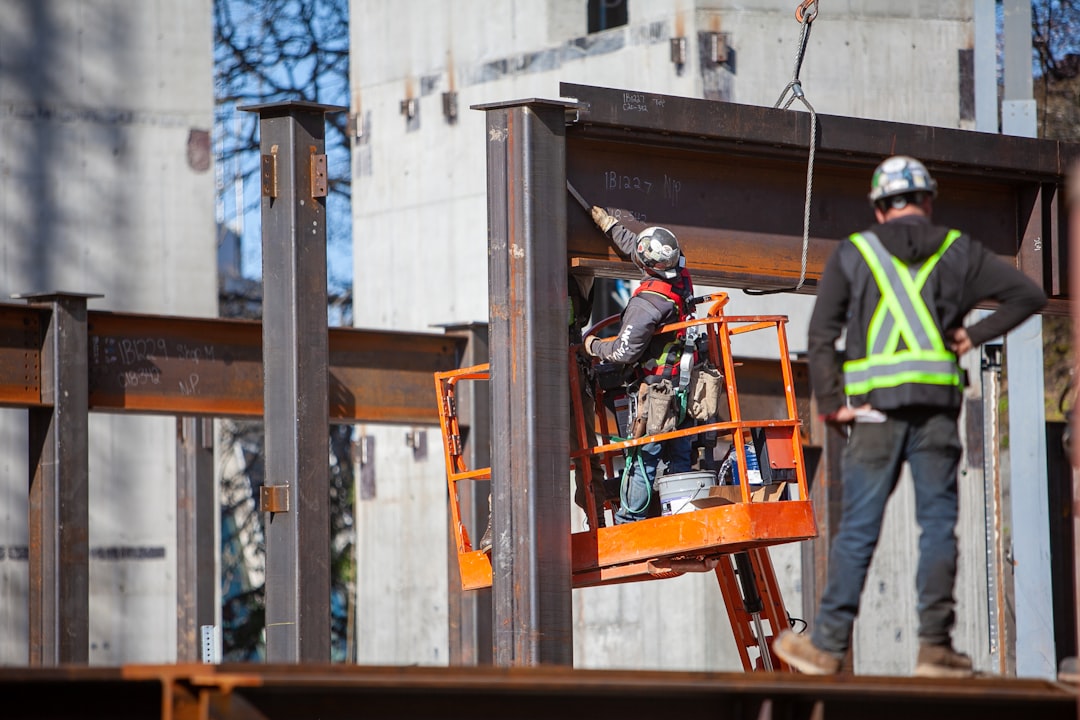
Choosing the right lock hardware involves more than just upfront costs. Long-term performance depends on matching specifications to Minneapolis' climate and building codes. CountBricks consultants guide clients through critical decision areas.
Grade 3 locks may save money initially but have a shorter lifespan. Grade 2 and Grade 1 locks offer better long-term value, lasting up to 20 years.
New energy standards require tighter seals, which can affect manual latching. CountBricks recommends low-torque motorized deadbolts for accessibility and security.
• Satin nickel resists salt but may dull under UV exposure.
• Oil-rubbed bronze offers appeal but needs maintenance.
• Powder-coated black withstands chemicals and heat, ideal for shaded areas.
CountBricks' database helps balance aesthetics with maintenance needs.
• Single-source accountability: Estimates, schedules, and invoices in one portal.
• Live procurement tracking: Monitor lockset distribution.
• Post-install analytics: Track ROI on hardware investments.
Ready to specify hardware that withstands Minneapolis conditions? Visit CountBricks.com to start your consultation and let AI handle the details while you focus on design and security.
