

For construction professionals in Mission, upgrading residential hot water tanks is a critical task that demands precision and efficiency. With installation costs ranging from $600–$1,200 per opening, understanding the nuances of tank selection and installation can significantly impact project success. This guide provides insights into optimizing hot water tank installations, ensuring you deliver value and reliability to your clients.
• Capacity: Ensure the tank meets the household's needs, typically 40-50 gallons for single-family homes.
• Recovery Rate: Evaluate how quickly the tank reheats water, crucial for high-demand periods.
• Energy Efficiency: Opt for tanks with a high Energy Factor (EF) to reduce utility costs.
• Fuel Source: Choose between natural gas, electric, propane, or hybrid models based on client preferences and infrastructure.
• Warranty: Offer tanks with robust warranties, typically 6-12 years, to assure clients of long-term reliability.
1. Initial Consultation: Use AI tools to gather client requirements and provide a preliminary estimate.
2. Site Assessment: Conduct a thorough evaluation of the installation site to determine specific needs.
3. Proposal Approval: Present a detailed proposal including labor, materials, and any necessary permits.
4. Procurement: Source materials at competitive prices, leveraging real-time pricing tools.
5. Installation: Execute the installation with precision, ensuring all connections are secure and compliant with local codes.
6. Commissioning: Test the system thoroughly, including temperature settings and leak checks.
7. Client Handover: Provide a comprehensive overview of the system, including maintenance tips and warranty registration.
• Tank Type: Hybrid models may have higher upfront costs but offer long-term savings.
• Venting: Upgrades may be necessary, impacting both materials and labor costs.
• Site Challenges: Address any logistical issues that could affect installation time and cost.
• Permits: Ensure all necessary permits are obtained to avoid project delays.
Utilize AI-driven platforms to streamline estimating and procurement processes, ensuring transparency and accuracy in pricing. This approach not only enhances client trust but also optimizes project timelines and budgets.
• Regular Maintenance: Schedule annual checks to extend the lifespan of the tank.
• Efficiency Monitoring: Implement systems to track energy usage and identify potential savings.
• Client Education: Provide clients with resources to understand and maintain their systems effectively.
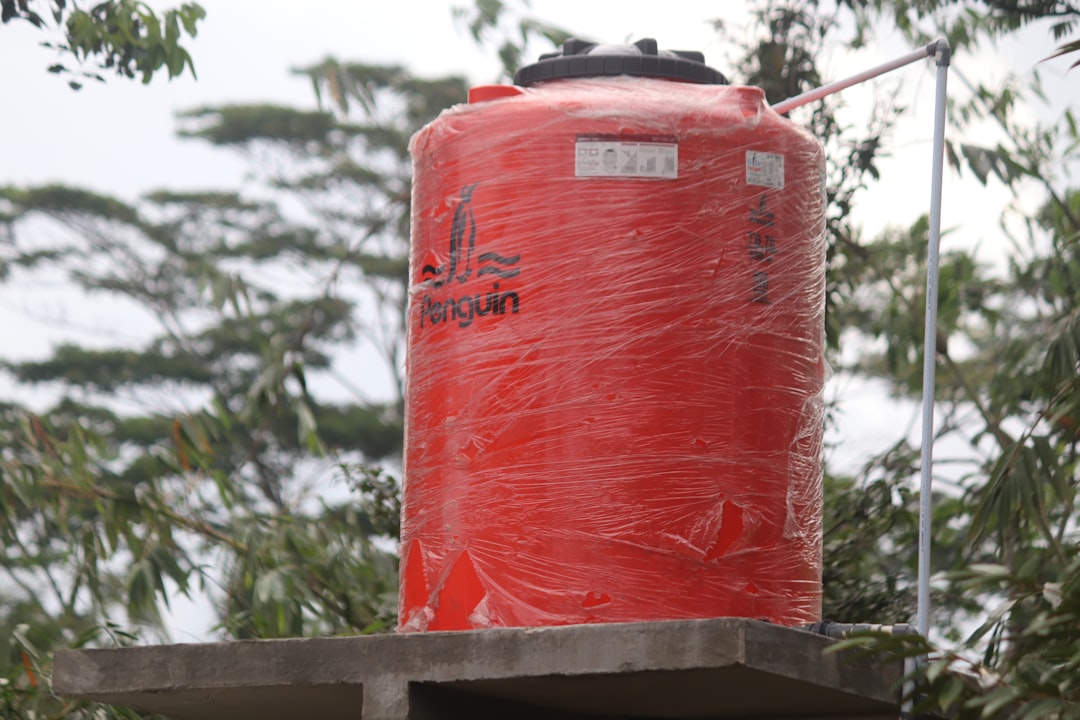
A recent project involved installing a 48-gallon hybrid heat-pump tank for a family in Mission. The project highlighted the importance of precise planning and execution, resulting in a 28% reduction in electricity usage.
• Quick Estimate: Delivered within minutes using AI tools.
• Efficient Permitting: Streamlined through digital submissions.
• Installation Time: Completed in 6 hours, including additional features like a smart leak sensor.
1. Accurate Planning: Ensured proper fit and avoided unnecessary costs.
2. Incentive Utilization: Applied rebates effectively to reduce client costs.
3. Long-Term Maintenance: Scheduled regular inspections to maintain efficiency.
• Tailored Solutions: Custom-fit tanks to meet specific household needs.
• Transparent Pricing: Use data-driven methods to ensure fair and accurate pricing.
• Seamless Process: From consultation to installation, ensure a smooth client experience.
For professional hot water tank installations in Mission, visit CountBricks.com for more information and to schedule a consultation.
