

For Denver gutter installation crews budgeting miter saw equipment hire in 2026, plan on $25–$55/day, $95–$220/week, and $280–$650/month for a jobsite-ready compound miter saw package (rates vary most by saw class, stand inclusion, and whether you are renting corded vs cordless). As real-world anchors, Denver-area posted tool-hire listings show day rates around $29/day for a cordless dual-bevel miter saw listing, while a local Denver provider posts a $50/day, $200/week, $450/month rate for a 12-inch miter saw (no mobile base). Use the 2026 planning ranges above to normalize for availability, seasonality, and commercial account terms; confirm exact branch pricing at reservation. National rental houses and big-box rental counters (commonly used by trade buyers in Denver) typically quote at pickup and will price accessories (stands, blades, vacuums) separately unless bundled.
| Vendor | Daily Rate | Weekly Rate | Review Score | Website |
|---|---|---|---|---|
| The Home Depot Tool Rental (Denver) | $50 | $175 | 8 | Visit |
| Sunbelt Rentals (Denver) | $55 | $195 | 9 | Visit |
| United Rentals (Denver metro) | $55 | $195 | 8 | Visit |
| All Season’s Rent-All (Denver metro) | $45 | $130 | 9 | Visit |
A miter saw rental for gutter installation is rarely “just the saw.” The actual equipment hire cost is usually a bundle of: (1) the saw (capacity and duty cycle), (2) the stand/support (accuracy and speed), (3) the blade strategy (aluminum/non-ferrous vs wood trim), and (4) jobsite controls (dust, power, transport). In Denver, crews often cut a mix of fascia/soffit wood repairs, metal wrap/trim, and occasionally aluminum downspout and accessory stock—which is where blade selection and return condition fees become cost drivers.
2026 cost planning by common package: a basic 10-inch corded compound saw is commonly the low-cost hire option; a 12-inch sliding/dual-bevel saw is the productivity upgrade; and a cordless 12-inch class saw is a logistics upgrade when you are working on occupied properties or remote edges of the Denver metro where power access is inconsistent. Use the package approach in your estimate so you do not miss stands, blades, clamps, and dust control adders.
1) Saw class (compound vs sliding, 10-inch vs 12-inch): Sliding rails and dual-bevel capability typically raise the hire rate because those units are higher capex, get damaged more frequently in transport, and rent heavily in peak season.
2) Corded vs cordless: Cordless miter saw rentals can be cost-competitive on day rate but become more expensive when you add batteries/chargers or when sites enforce “no cords across walk paths.” On the other hand, cordless can reduce soft costs (setup time, cord management, tripping hazard mitigation, and fewer callbacks).
3) Stand and material support: For gutter installation, long-stock support matters. Many renters underestimate stand requirements and end up paying “unplanned” adders or losing labor time. In 2026 budgeting, a portable miter saw stand hire commonly adds $12–$25/day, $45–$90/week, or $120–$220/month depending on capacity and whether extensions/rollers are included.
4) Blade policy and return condition: Rental centers may include a general-purpose blade, but they often charge for damaged teeth, missing blade guards, or resin buildup. For gutter/trim work where aluminum or wrapped stock is cut, avoid “mystery” blade wear by treating the blade as a consumable line item: plan $90–$160 if you must purchase a non-ferrous blade at pickup, or $60–$160 as a possible chargeback range if the blade comes back damaged and gets replaced. (Exact programs vary by branch and account.)
5) Denver-specific operational friction: (a) Downtown/Capitol Hill access can increase delivery constraints (tight alleys, limited parking, and time windows), (b) winter weather can force early pickups/returns and “held over” days if you miss a cutoff due to snow/ice, and (c) high-and-dry climate increases dust control expectations on interior/occupied-site trim cuts—frequently pushing you toward a vacuum/dust extractor adder.
To keep your miter saw equipment hire estimate realistic for Denver gutter installation, carry accessory allowances explicitly (even if you expect to source some items from your own fleet). Common 2026 adders:
These are not “nice to haves” on commercial/managed-property gutter installation. They are frequent compliance or productivity requirements that change your effective hire cost more than the saw itself.
Even for a small tool like a miter saw, delivery terms can swing cost when you are coordinating multiple addresses across the Denver metro in a single day (Lakewood, Aurora, Westminster, Littleton, etc.). If you self-haul, your “cost” shifts to truck time and risk; if you deliver, your equipment hire cost gets more predictable but adds hard dollars.
Denver coordination note: if you are running multiple gutter installation sites in one day, build your plan around traffic and branch hours. A “quick swap” between jobs can accidentally become an extra billable day if you miss a return cutoff due to I-25/I-70 congestion or a downtown loading restriction.
Hidden fees are rarely “hidden” in the rental agreement—but they are commonly missed in estimating and procurement notes. Carry these as explicit allowances in your miter saw hire cost build-up:
Because many national rental sites require you to “get a quote” after selecting a branch, posted public numbers can help sanity-check your internal equipment hire budget before you issue a PO. Examples of publicly posted rates that illustrate the current market spread include:
Estimator guidance: for 2026 Denver planning, treat the saw as a relatively small portion of total hire cost if you must add a stand, dust control, and delivery. It is common for “non-saw” line items to add 30%–120% on top of the base saw rent depending on site constraints and whether you are servicing multiple gutter installation addresses in a single rental period.
If your scope includes cutting aluminum trim/wrap or downspout stock on a miter saw, you may need a non-ferrous blade and stricter cleanup to avoid metal fines spreading into occupied spaces. If your scope is mostly wood fascia repairs, you still may need dust collection for interior cut stations. Either way, the rental center will care about return condition and missing parts more than your production goal. Build your hire plan so the crew can comply without burning time:
All of the above is why professional buyers in Denver typically treat miter saw equipment hire as a small-tool package with defined accessories and return requirements, not a one-line tool rental.
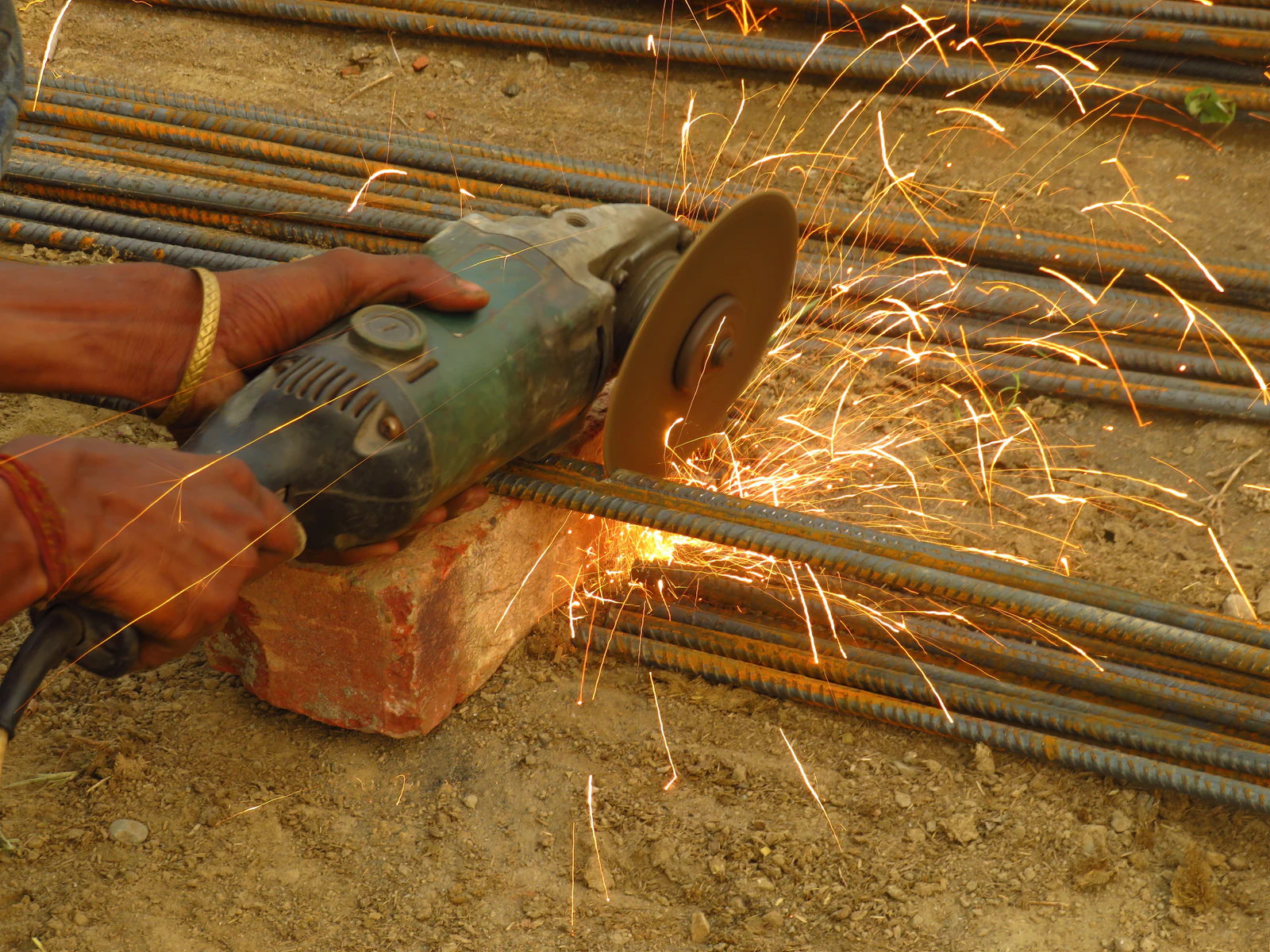
Scenario: A two-person crew is scheduled for a 3-day gutter installation across two Denver addresses (one in a tight-access neighborhood with limited parking). You choose a 12-inch class miter saw rental with a stand and dust control because you need repeatable angle cuts on trim/wrap and want a clean occupied-site setup.
Planning numbers (illustrative):
Estimated equipment hire total (before tax): $135 + $54 + $105 + $41 + $190 + $120 + $45 = $690. The key operational constraint here is that a missed return cutoff (or a snow delay) can add another day of saw/stand/vacuum rent (often $98 in this example) even though production stops. This is why many Denver rental coordinators push to align return logistics with cutoffs and avoid Friday returns unless the weekend program is confirmed in writing.
Use the following equipment hire cost worksheet bullet lines to build a PO-ready estimate for a Denver gutter installation project (no tables, estimator-friendly line items):
Use this checklist to reduce chargebacks and avoid “accidental extra days” on your Denver miter saw hire PO:
If your crews run gutter installation continuously, the ownership-versus-hire decision is mostly about utilization and control of consumables. A jobsite-grade 12-inch miter saw purchase can commonly fall in the $300–$900 band depending on features, while a stand can add $150–$350. Hire often wins when (a) you need short bursts of capacity, (b) you want to avoid repair downtime, or (c) you need different saw classes across projects. Ownership often wins when (a) you cut daily, (b) you standardize blades and stops, and (c) you have disciplined transport/maintenance practices that prevent fence/rail damage.
From a pure cost lens, a crew renting a $45/day saw twice per week is already at roughly $360/month before stands, waiver, and delivery—close to the lower end of ownership cost recovery. But most Denver gutter installation operations still hire intermittently for surge capacity or when a primary saw is down.
When you publish internal rate cards or build estimates for 2026, document your assumptions so project managers do not treat planning numbers as guaranteed vendor pricing:
Bottom line: for Denver, the most accurate miter saw equipment hire cost estimates treat the saw as one line in a controlled package—saw + stand + blade plan + dust control + delivery + waiver—then manage return logistics tightly to avoid extra days and chargebacks.
