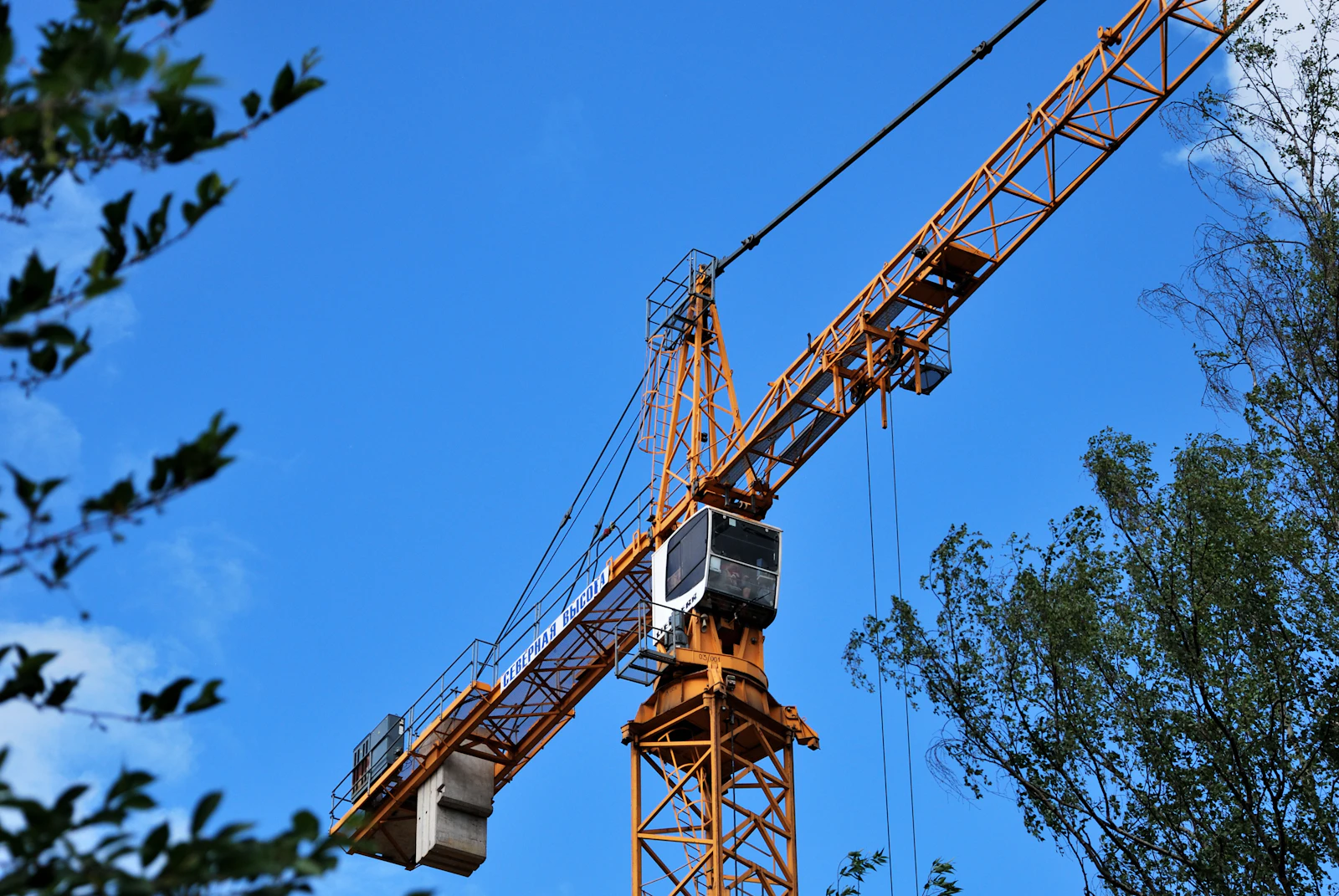
For structural steel erection in San Jose, 2026 planning budgets for operated mobile crane equipment hire (hydraulic truck crane, rough-terrain, or compact all-terrain) typically land in the following ranges: $2,600–$4,800 per day for 60–75 ton class units, $3,600–$6,800 per day for 90–110 ton class units, $12,000–$26,000 per week, and $38,000–$80,000 per month, before common adders like mobilization, traffic control, mats, rigging crew, and overtime. These ranges assume an 8-hour straight-time shift, a standard hook block, routine jobsite access, and local mobilization within the South Bay. In the San Jose market, rental coordinators commonly source mobile crane hire through a mix of national providers and strong regional fleets (for example Bigge and Maxim, plus established Northern California crane services).
| Vendor |
Daily Rate |
Weekly Rate |
Review Score |
Website |
| Bigge Crane & Rigging Co. |
$4 800 |
$21 600 |
8 |
Visit |
| King Crane Service |
$4 200 |
$18 900 |
5 |
Visit |
| Hatton Crane & Rigging |
$4 500 |
$20 250 |
10 |
Visit |
| Maxim Crane Works |
$4 700 |
$21 150 |
4 |
Visit |
Mobile Crane Rental Rates San Jose 2026
Most San Jose mobile crane equipment hire for structural steel is quoted as an hourly rate with a minimum (often 4 hours for smaller units and 8 hours for larger units), then billed in time increments for the remainder of the shift. Published California rate sheets and public-agency bid tabs provide useful anchors for 2026 budgeting: one California truck-crane rate sheet lists $245/hr (35-ton), $255/hr (40-ton), $320/hr (60-ton), $370/hr (70-ton), $460/hr (90-ton), and $475/hr (110-ton). A Northern California public bid tab shows operated crane hourly pricing with stated minimums (for example 70-ton ~$267/hr (4-hr min) and 90-ton ~$287/hr (8-hr min) in a 2025–2026 option year).
How to translate hourly rates into day/week/month planning: if the job is billed on an 8-hour minimum and your 90-ton crane is budgeted at $400–$600/hr in San Jose (depending on boom/jib configuration and account terms), your “day rate” planning number is typically 8 x hourly plus mobilization and any permit/escort costs. Weekly numbers for steel erection are frequently built as 5 working days (with explicit language for Saturday and Sunday billing), while monthly numbers for longer steel packages are often negotiated with off-rent rules and utilization assumptions (e.g., guaranteed hours, standby, or weather days).
What Drives Mobile Crane Equipment Hire Costs on San Jose Steel Jobs
Structural steel erection pushes mobile crane hire pricing higher than many “set-and-go” picks because you’re buying not only capacity, but also time certainty: predictable swing cycles, frequent rigging changes, and downtime risk from sequencing constraints. Key cost drivers that routinely change your all-in cost per ton of steel set include:
- Capacity class and chart at radius: a 70-ton may be cheaper per hour than a 90-ton, but can become more expensive if it forces re-handling, short picks only, or additional crane days.
- Boom and jib configuration: a swing-away jib, luffer, or additional boom length can increase both the crane class and the mobilization scope (and may trigger additional counterweight trucking).
- Rigging scope: below-the-hook gear, spreader bars, engineered lift points, and dedicated rigging truck needs (common on steel).
- Access and setup: outrigger footprint, underground utilities, slab/grade bearing, and mat requirements.
- Schedule constraints: early starts, night work, weekend work, and standby clauses when steel delivery or bolt-up falls behind.
San Jose-Specific Cost Considerations (Right-Of-Way, Airport Airspace, and Traffic)
1) Right-of-way and lane closure permitting: if any portion of the crane setup (outriggers, swing radius, rigging area, or delivery staging) touches public right-of-way, San Jose projects may require an encroachment permit. That often cascades into paid traffic control, reduced delivery windows, and tighter return-condition documentation (photos of curb/sidewalk/asphalt before and after).
2) Downtown / airport airspace controls: depending on proximity to Mineta San José International Airport (SJC) and boom height, you may have additional administrative lead time and compliance steps (and, in some cases, operational constraints on maximum height or lighting/marking). The City’s crane guidance for SJC-related airspace includes a dedicated notification process; one posted requirement is city notification at least 10 days prior to the selected crane operation, and again when the operation changes (erection, height change, lowering for removal).
3) Congestion and delivery windows: South Bay commute peaks and constrained downtown staging commonly push contractors toward earlier start times (triggering overtime rules in many rate structures) and can increase mobilization hours if the crane must travel at restricted speeds or with pilot/escort vehicles.
Minimums, Shift Definitions, and Overtime That Commonly Hit Steel Erection
Rental coordinators should treat “base rate” as only the start of the crane hire cost. Two items routinely surprise budgets on steel work: (a) minimum rental periods and (b) the shift definition (what counts as straight time vs. overtime).
- Minimums: public bid tabs and many commercial quotes show 4-hour minimums for smaller cranes and 8-hour minimums for larger classes (example: an 8-hour minimum shown for a 90-ton class in a Northern California bid tab option year).
- Overtime triggers: one published California rate sheet ties overtime to work beyond 8 hours/day, before 6:00 AM, after 5:00 PM, or Saturday.
- Overtime adders (planning anchors): the same published sheet shows overtime line items such as $74/hr (one-man), $144/hr (two-man), and $160/hr (rigger), plus double-time figures like $144/hr (one-man) and $284/hr (two-man), and holiday figures like $224/hr (one-man) and $347/hr (two-man). Use these as budgeting references when your quote uses a similar structure.
On public works (or projects flowing down prevailing wage requirements), labor classification and overtime rules can materially affect your crane-day cost, especially on Saturdays, Sundays, and holidays; always reconcile your crane provider’s ticket language with project labor requirements.
Hidden-Fee Breakdown for Mobile Crane Hire in San Jose
Use this section as a pre-PO checklist of cost adders that frequently appear after the base quote—especially on structural steel erection where access, rigging, and schedule variability are high.
- Mobilization / demobilization: plan $450–$1,250 each way for shorter local moves of smaller truck cranes; $1,500–$3,500 each way when counterweight trucks or escort requirements apply; and $4,000–$10,000+ when heavy-haul, multiple support trucks, or long-distance mobilization is required.
- Travel time charges: public bid tabs in Northern California show explicit travel-time charges such as $140 and $152 each way in certain years/zones—your commercial quote may use a similar “travel time” line item or a zone-based mobilization fee.
- Fuel surcharges: public bid tabs show fuel surcharges expressed as a percentage (commonly 3%–5% of invoice in those documents).
- Permits: some bid schedules show permit costs as line items (examples include $35 and $90 depending on period and location).
- Travel/road permit admin: one published rate sheet lists a $95 travel permit line item (plus pass-through “at cost” items).
- Traffic control: budget $450–$1,200 per day for basic lane/shoulder closures (signage, cones, and labor), and more if a flagging plan, police, or multiple intersections are involved.
- Crane mats / outrigger pads: budget $25–$60 per mat per day or $450–$1,200 per week for a mat package, depending on size, quantity, and whether delivery/pickup is separate.
- Rigging gear rentals: spreader bars commonly budget at $75–$250 per day; beam clamps at $20–$60 each per day; specialty shackles/softeners often show up as smaller line items but can accumulate on steel packages.
- Lift planning / engineering: budget $750–$2,500 for a stamped lift plan / engineered pick review when required by GC, campus owner, or critical lift criteria.
- Standby time: clarify if standby bills at full rate, discounted rate, or a set standby figure; for budgeting, carry $120–$220/hr if the crane is held on site due to steel delivery delays, bolt-up lag, or inspection holds.
- Cleaning and return condition: budget $150–$450 for cleaning if the crane/mats/rigging are returned with concrete splatter, heavy mud, or adhesive residue (common on mixed slab/steel sites).
- Cancellation / weather day policy: many crane providers apply a minimum charge if cancelled inside a defined window; for budgeting, carry a 4-hour minimum or $750–$1,500 as a cancellation allowance unless your MSA says otherwise.
Example: San Jose Structural Steel Erection Week Using a 90-Ton Mobile Crane
Scenario assumptions: North San Jose site, 90-ton hydraulic truck crane, 5 workdays, planned 10-hour days due to steel delivery timing, one operator, one rigger/signal scope, mats required due to asphalt over utilities, and a right-of-way lane closure for two morning steel deliveries.
- Base crane time (planning): 5 days x 8-hour minimum x $460/hr = $18,400 (straight-time anchor from a published CA rate sheet; your San Jose quote may be higher depending on configuration).
- Planned daily overtime: 5 days x 2 overtime hours x $144/hr (two-man overtime adder planning anchor) = $1,440.
- Mobilization/demobilization allowance: $2,000 total (carry higher if counterweight/support trucks are required).
- Mats allowance: $750 (mix of daily and weekly mat charges, plus handling).
- Traffic control allowance: 2 days x $900/day = $1,800.
- Lift plan / pick review: $1,250 (required by owner/GC critical lift process).
- Fuel surcharge allowance: 3% of crane time lines (if applied per ticket).
Operational constraint note: if this site falls under SJC crane-notification coverage, the crane schedule needs to be stable enough to meet the 10-day notification lead time (and you should budget admin time for compliance changes if the boom height changes mid-week).
Budget Worksheet (San Jose Mobile Crane Equipment Hire Allowances)
- Crane hire (hourly x minimum shift) allowance: $__________
- Overtime / Saturday premium allowance (hours x premium): $__________
- Mobilization/demobilization (zone or travel time): $__________
- Support trucks / counterweight handling: $__________
- Rigging gear rental (spreader, clamps, shackles, softeners): $__________
- Rigging labor (rigger/signalperson; minimums): $__________
- Crane mats / outrigger pads (quantity + duration): $__________
- Traffic control & lane closure implementation: $__________
- Permits (encroachment + road permits as applicable): $__________
- Lift plan / engineered pick(s): $__________
- Standby allowance (hours x standby rate): $__________
- Cleaning / return condition allowance: $__________
- Fuel surcharge percentage allowance (if applied): $__________
- Contingency (steel delivery variability, wind holds): 5%–12%
Rental Order Checklist (PO, Delivery, and Off-Rent Controls)
- PO language: specify crane class, boom/jib configuration, hook block, and whether a headache ball is acceptable for any picks.
- Minimums & billing increments: confirm 4-hr vs 8-hr minimum, and billing increment (15-min vs 30-min) after minimum.
- Shift definition: confirm straight-time window (start/end), and the triggers for overtime (early start, late finish, Saturday).
- Mobilization terms: confirm whether travel time, a flat mob/demob, or zone pricing applies; confirm if support trucks are separate lines.
- Site access plan: confirm delivery gate, turning radii, setup pad, and whether you must provide steel plates/mats.
- Permits: confirm encroachment permit need if working in the public right-of-way.
- Airport/downtown compliance: confirm whether SJC crane notification and/or FAA processes apply; lock schedule early to avoid rework.
- On-site rules: confirm owner/GC orientation time, PPE, and spotter requirements; decide whether orientation time is billable.
- Off-rent control: define when off-rent begins (last pick vs. crane rolling vs. returning to yard) and what documentation is required (time-stamped photos, gate logs, signed tickets).
- Return condition: photo-document mats, curb, sidewalk, and asphalt before/after; agree on cleaning expectations to prevent fees.
How to Choose the Right Crane Size Without Overpaying on San Jose Steel
In structural steel erection, the cheapest hourly crane is often not the lowest-cost crane for the week. Cost control comes from reducing (1) re-handling, (2) unplanned overtime, and (3) standby exposure. Practical steps that reduce mobile crane equipment hire cost on San Jose projects:
- Build the crane around the worst pick: confirm the heaviest piece at the maximum radius (not the average pick). A crane that is “just barely enough” often forces tighter radii, more moves, and more mats—driving total crane-days up.
- Pre-plan steel staging: if you can stage bundles inside the planned swing radius, you reduce travel and reset time. In San Jose, this is frequently constrained by site laydown limits and right-of-way restrictions, so coordinate early with the GC and traffic control plan.
- Confirm ground bearing and underground utilities: many South Bay sites have utilities corridors and asphalt sections that require matting; matting is cheaper than a ground failure, but it is still a cost driver—price it explicitly so it doesn’t surprise the erection budget.
Operated vs. Bare Mobile Crane Hire (Why It Matters for Pricing)
For San Jose structural steel erection, most mobile crane rentals are “operated and maintained” (O&M), meaning the provider supplies the operator and standard maintenance; your quote then behaves more like a service ticket than a bare equipment lease. This influences pricing in three ways:
- Labor rule impacts: overtime, early start, Saturday, Sunday, and holiday work may price differently than your standard equipment rental assumptions (and may interact with prevailing wage requirements on applicable projects).
- Insurance and risk allocation: O&M tickets often have specific indemnity and jobsite control language; align this early with your GC’s crane use plan and the steel erector’s means-and-methods.
- Scope clarity reduces extras: clarifying rigger/signal coverage, mats, rigging gear, and travel time at the PO stage reduces post-job “miscellaneous” adders.
Scheduling Rules That Change the Invoice (Weekend Billing, Off-Rent, and Cutoffs)
Mobile crane hire invoices can swing materially based on scheduling details that are easy to miss in precon. For 2026 budgeting in San Jose, confirm these items in writing:
- Weekend billing: some rate structures explicitly treat Saturday as overtime and holidays as premium time.
- Delivery windows and cutoffs: if the crane must arrive before commuter peaks or campus “no-truck” windows, you may trigger early-start billing. Plan for that instead of assuming an 8:00 AM roll-in.
- Off-rent definition: define whether off-rent is (a) last pick, (b) when the crane begins teardown, or (c) when the crane clears the gate. For steel, teardown and load-out can be 30–90 minutes; decide whether that time is billable.
- Standby and weather holds: write a standby rate (or a standby rule) into the PO for wind holds or delayed steel deliveries to prevent full-rate standby by default.
Compliance Items That Add Cost (Encroachment, Airspace Notifications, and Documentation)
San Jose has two recurring compliance paths that affect crane equipment hire cost: right-of-way use and airport airspace guidance. If you need a lane closure or crane setup in public right-of-way, align encroachment permitting early—this can be a schedule driver and can require traffic control on specific days (which becomes a direct cost). If your project is in the downtown/SJC influence area, build the 10-day notification requirement into the baseline schedule, and avoid late boom-height changes that can create re-notification or re-review work.
2026 Planning Ranges (All-In) for San Jose Structural Steel Erection Crane Hire
Use these all-in planning ranges (crane + typical job adders) as quick budget checks. They are not vendor quotes; they assume a competent steel erection plan and typical South Bay mobilization:
- 60–75 ton class, single shift: $4,500–$9,000 per day all-in (base crane + modest mobilization + mats + minimal traffic control).
- 90–110 ton class, single shift: $6,500–$13,500 per day all-in (base crane + mobilization + mats + rigging gear + likely traffic control or constrained access).
- Weekend or night steel setting: add 10%–30% to the planned crane-day cost depending on the overtime/holiday structure and required crew count (confirm straight time window and premium definitions).
- Critical lifts / engineered picks: add $750–$2,500 for lift engineering and $300–$1,200/day for additional supervision/spotters depending on site rules.
Practical Quote Inputs That Reduce Change Orders
To keep your mobile crane equipment hire costs controlled on San Jose steel erection, provide the crane vendor (and your internal approval chain) with quote inputs that eliminate ambiguity:
- Maximum pick weight (lbs), maximum radius (ft), and required hook height (ft).
- Steel delivery sequence and whether picks are “from truck” vs staged.
- Setup surface description (slab, asphalt, compacted base) and whether mats/plates are required.
- Requested work hours and whether Saturday/Sunday/holiday work is anticipated.
- Right-of-way impacts and whether traffic control will be provided by GC or crane vendor.
- Whether SJC/downtown airspace notification may apply, and the planned maximum boom height.
Cost-Control Takeaways for Rental Coordinators
- Budget from a minimum shift perspective (4-hr or 8-hr) rather than “hours of picks,” because setup, travel, and teardown often dominate the ticket on steel.
- Carry explicit allowances for mobilization, traffic control, mats, and rigging labor—these are the most common sources of budget variance.
- Lock schedule early if you are inside SJC influence areas due to 10-day notification needs, and avoid changing crane height midstream.
- Document off-rent time and return condition (photos + signed tickets) to reduce disputes and cleaning/repair back-charges.