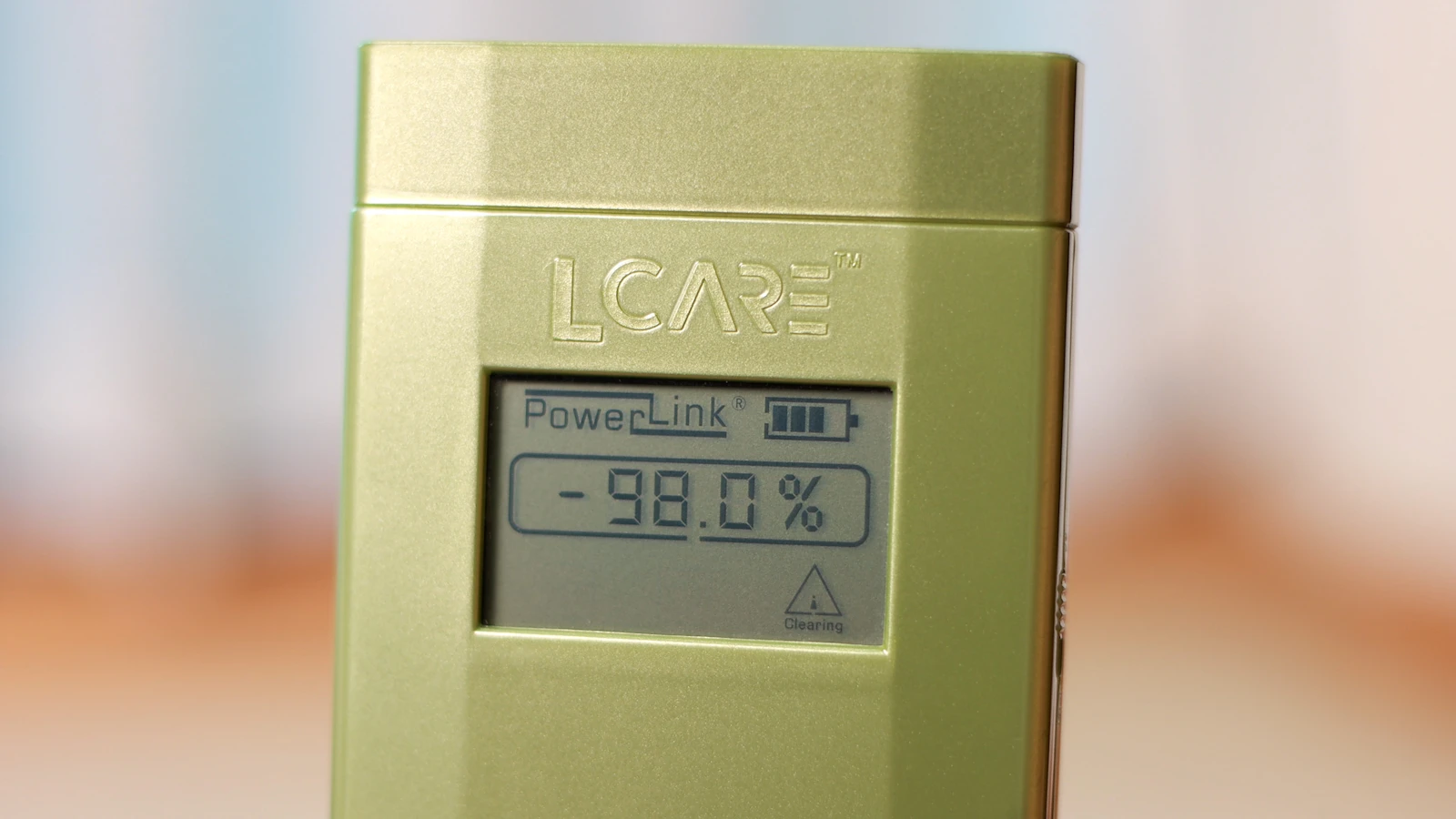
For flooring installation in Fort Worth, a moisture meter equipment hire is typically budgeted in 2026 at $25–$70/day, $85–$175/week, or $220–$520/month (4-week equivalent), depending on whether you’re hiring a basic pinless meter, a combo pin/pinless psychrometer-style unit, or a specialty analog moisture meter used for broader building-material screening. Published benchmark rates in the market include an Extech pinless kit listed at $24/day, $56/week, $160/month, a Tramex Encounter meter listed at $32/day, $99/week, $296/month, and an Extech MO297 combo unit listed at $55/day and $125/week (monthly quoted on request). These benchmarks are useful for DFW cost planning, but your final hire cost will still move with delivery radius, minimum term, and damage-waiver requirements.
| Vendor |
Daily Rate |
Weekly Rate |
Review Score |
Website |
| SGS Galson (Hygiene Rental) |
$30 |
$85 |
9 |
Visit |
| Enviro-Equipment Inc. |
$32 |
$99 |
10 |
Visit |
| RAECO Rents |
$65 |
$195 |
10 |
Visit |
| I.E. Rents (Industrial Environmental Monitoring Instruments) |
$42 |
$79 |
8 |
Visit |
Moisture Meter Rental Rates Fort Worth 2026
When you’re building a Fort Worth flooring package, it helps to separate moisture meter hire into three “rental classes” so your estimate matches what the superintendent actually requests on site:
- Basic pinless moisture meter hire (screening / mapping): plan $25–$45/day, $70–$120/week, $200–$350/month. This is the common “get me readings fast across 10,000 sq ft” request for slab/underlayment spot checks and wood acclimation trending (not formal compliance reporting by itself).
- Combo moisture meter + psychrometer/IR (restoration-style all-in-one): plan $45–$70/day, $115–$175/week, $350–$520/month. This class is frequently hired when the GC wants ambient conditions recorded (RH/temperature/dew point) alongside material readings for closeout documentation.
- Analog “multi-material” meter hire (rubber electrode style): plan $30–$40/day, $85–$115/week, $250–$325/month. These can be requested for fast comparative checks across plaster/brick/wood products, but your flooring team will still typically want a pinless meter for large-area mapping.
Benchmark reality check (useful for 2026 planning): Field Environmental publishes an Extech MO280 kit at $24/day, $56/week, $160/month. Enviro-Equipment publishes a Tramex Encounter meter at $32/day, $99/week, $296/month. RAECO Rents publishes an Extech MO297 at $55/day and $125/week (monthly quoted). Use these as rate anchors to sanity-check local quotes in Fort Worth, then adjust for delivery/shipping and contract terms.
What Fort Worth Flooring Teams Actually Mean By “Moisture Meter Hire”
On flooring installation scopes, the phrase “moisture meter rental” can mean different things depending on who placed the request:
- Flooring subcontractor: wants a pinless meter to map relative readings over a slab and a wood meter to trend acclimation lots; expects quick pickup, minimal paperwork, and predictable off-rent rules.
- GC or owner rep: often wants documentable readings with dates/times, sometimes with ambient RH/temperature tied to daily reports; may require a unit with known calibration status or a rental house that can provide documentation on request.
- QA/QC consultant: may want a specific model family for consistency across projects (and may reject “equivalent” substitutions), which can push you into shipped test-equipment hire rather than a local yard pickup.
Estimator note: confirm up front whether the request is for (1) a meter only, (2) a meter plus a thermo-hygrometer function, or (3) a meter plus accessory probes and a calibration certificate. Those differences are where Fort Worth job costs drift.
Cost Drivers That Move Moisture Meter Equipment Hire in Fort Worth
Moisture meter hire is a small-ticket rental, but it is disproportionately affected by policy fees and jobsite rules. In Fort Worth specifically, DFW travel time, toll routing, and tight delivery windows can turn a $30/day instrument into a $150 “day-one” invoice if you don’t control the variables.
- Delivery vs. pickup: for small instruments, many coordinators default to pickup—until the meter is needed during a slab pour sequence or after-hours access window. Budget $65–$125 each way for local courier/delivery within a typical 10–20 mile radius, and add $3.50–$6.00/mile outside the local zone. (Treat these as planning allowances; confirm with your rental agreement.)
- Same-day / timed delivery: if the meter must arrive before a pre-install meeting, add a time-window premium—commonly $75–$150—especially when the delivery has to thread I-30/I-35W congestion and a site with a hard check-in cutoff.
- Minimum term (shipped rentals): test-equipment houses frequently enforce minimum rental terms (often 1 week), and some contracts invoice through the minimum term until the unit is returned and checked in. Transcat notes that units on-rent are invoiced through the minimum term and thereafter until return, regardless of PO coverage, which is the exact off-rent risk to manage on fast-track flooring scopes.
Other cost drivers to carry in Fort Worth estimates:
- Damage waiver: plan 10%–17% of the base rental as a damage waiver line item if your contract uses it. Confirm whether it covers accidental damage only, excludes theft, and whether it has a deductible.
- Refundable deposit / credit hold: budget $150–$400 depending on meter class and whether your account is established. This isn’t “cost,” but it impacts cash flow and card limits when multiple projects are active.
- Calibration documentation: if the project requires a calibration certificate or a documented check, carry $50–$120 as an allowance (varies by provider and whether it’s a certificate copy vs. a fresh check).
- Consumables for pinned meters: spare pin packs are usually treated as parts. Carry $8–$18 for pins/leads if you expect heavy use (wood flooring crews can go through sets quickly).
Hidden-Fee Breakdown For Moisture Meter Hire (What To Ask Before You Issue the PO)
Even with a low daily rate, the following “small” fees are what commonly cause variance between estimate and actual for moisture meter equipment hire in Fort Worth:
- Delivery / pick-up charges:
- Standard delivery/pickup: $65–$125 each way (typical local allowance).
- After-hours or weekend site access: add $95–$175.
- Re-delivery (missed window / no contact): add $45–$95 plus mileage.
- Loss & damage exposure (small instruments walk):
- Lost carry case/holster: $35–$90 replacement allowance.
- Broken display/sensor event: plan up to 100% of replacement cost if waiver excludes it—confirm in writing.
- Cleaning / decon:
- Concrete dust / adhesive residue cleanup: $25–$75 if the meter is returned contaminated (common when it rides in tool buckets during demo and patch).
- Late return / overtime billing:
- Grace period: often 0–2 hours after the due time (policy-driven).
- Late beyond grace: budget 1/5 of the daily rate per hour or a full extra day, depending on the contract—confirm your supplier’s method.
- Weekend and holiday billing rules:
- Some local DFW rental operators publish weekend structures such as 1.5-day charges for weekend rentals; do not assume “Friday pickup / Monday return = 1 day.” Build your PO dates accordingly.
Fort Worth-Specific Considerations That Change the Real Hire Cost
- Delivery windows and jobsite check-in cutoffs: many commercial sites in Fort Worth enforce receiving hours. If your meter is delivered after a 2:00–3:00 PM cutoff, you can lose a full day and still get billed for the day. A simple fix is to schedule delivery before lunch and require a named receiving contact on the PO.
- Summer heat and RH swings: Fort Worth summer schedules can trigger “stop/go” decisions based on slab and ambient conditions. That increases the probability of “unplanned extra week” meter hire. Mitigation: set the PO as a weekly term with a pre-approved extension cap (e.g., not-to-exceed 2 additional weeks without written approval).
- Downtown access, parking, and toll routing: courier deliveries may include parking or toll pass-through (carry $10–$25 allowance). If you’re trying to keep instrument rental economical, pickup from a nearby yard is often the cheapest route.
Example: Fort Worth Flooring Installation Scenario With Real Constraints
Example: You’re installing LVT over a concrete slab in a 18,000 sq ft tenant improvement near the Fort Worth Medical District. The GC requires moisture documentation at turnover, and the building has receiving hours only 8:00 AM–2:30 PM, Monday–Friday.
- Hire a combo moisture/psychrometer unit for 2 weeks: plan $125–$175/week = $250–$350 base hire.
- Add damage waiver at 12%: $30–$42.
- Add timed delivery and pickup (two trips): $95 each way = $190 (because the site won’t accept after 2:30 PM).
- Carry a refundable deposit/hold: $250 (cash-flow planning).
- If the meter is returned with concrete dust contamination: add a cleaning fee allowance of $45.
- Sales tax (Fort Worth area commonly 8.25%) applied to taxable rental/fees: carry $38–$55 depending on what the supplier taxes.
Result: what looked like a $300 meter rental can land closer to $500–$680 all-in on a real Fort Worth job once delivery constraints and standard protections are included. The prevention step is simple: control delivery timing, confirm weekend billing, and lock the minimum term and off-rent procedure on the PO.
Operational Controls That Keep Meter Hire From Bleeding on Flooring Work
- Define the off-rent trigger: specify “off-rent when received by rental house” vs. “off-rent when carrier picks up.” If you can’t get this in writing, assume billing continues until check-in.
- Weekend/holiday planning: if you need the meter for a Saturday punch, verify whether the supplier bills Friday–Monday as multiple days or a weekend special.
- Return-condition documentation: require a quick photo set at return: meter serial label, screen power-on, condition of sensor face, and accessories in the case. This is your defense against “missing probe” backcharges.
- Indoor dust-control requirements: on active flooring sites, keep the meter in a zip case; do not place it on wet patch or adhesive. A single “dirty return” can erase the savings of a low daily rate.
- Battery/charging expectations: many handheld units use a 9V or AA batteries; plan $12–$20 for a battery refresh if your crew runs it continuously across multiple shifts and the rental house expects return with working battery.
When Renting Beats Buying (And When It Doesn’t)
Moisture meters are often inexpensive enough that a contractor owns them; however, equipment hire still makes sense when (a) multiple crews need meters simultaneously for a short burst, (b) the spec calls for a particular model, (c) you need a meter with additional psychrometric functions, or (d) you’re covering a warranty issue on an owned unit. If the project will require continuous monitoring across several months, compare your planned monthly hire (often $220–$520) against purchase and calibration lifecycle costs—but make sure the decision includes the soft costs of training, lost tool risk, and maintaining calibration records.
Accessories and Add-Ons That Commonly Get Missed on the PO
For Fort Worth flooring installation work, the base “moisture meter rental” is frequently under-scoped. Add-ons can be small individually but add up quickly when you’re outfitting multiple foremen or documenting multiple areas.
- Remote pin probe / hammer probe add-on: carry $15–$35/day when the crew needs deeper or more repeatable wood readings (and to avoid repeated pin breakage).
- Spare pin kit / lead set: carry $10–$25 per kit as a parts allowance (often non-refundable once issued).
- Ambient thermo-hygrometer or mini data logger (if not included): carry $18–$40/day or $60–$140/week when the GC wants ambient RH/temperature logged alongside flooring acclimation notes.
- Software/app reporting support: if the meter’s report export is locked behind a subscription or accessory, carry $15–$30/day equivalent for “reporting enablement” (varies by platform and supplier policy).
- Calibration certificate copy / traceability documentation: carry $25–$60 if the supplier charges administrative fees for documentation retrieval, on top of any calibration check allowance.
Shipping Vs. Local Pickup in DFW (How to Budget the Cheapest Path)
In Fort Worth, you’ll see two common procurement routes for moisture meter equipment hire:
- Local pickup (lowest transaction cost): best when the meter is needed for a planned start (pre-install meeting, acclimation period start, or slab re-check after HVAC start-up). Your primary risk is weekend billing if you pick up late Friday.
- Shipped test-equipment hire (best model control): best when the spec requires a specific manufacturer/model and you can’t accept substitutes. Your primary risks are (1) minimum term (often weekly), (2) freight both ways, and (3) off-rent defined as “returned and checked in,” not “handed to the carrier.” Transcat’s rental FAQs explicitly note invoicing through the minimum term and thereafter until return, which is why coordinators should schedule pickups early and avoid “extra days in transit.”
Planning allowances (common in practice): outbound and inbound shipping for a small instrument often lands around $25–$60 each way depending on service level and insurance; add $10–$25 if you need signature-required delivery to a controlled-access site. Treat these as estimating allowances until your supplier confirms exact freight.
Budget Worksheet (Moisture Meter Equipment Hire Allowances)
- Moisture meter hire (pinless basic): 1 unit @ $25–$45/day or $70–$120/week (select term based on schedule risk).
- Upgrade option (combo meter + psychrometer/IR): add $20–$30/day premium vs. basic pinless when ambient documentation is required.
- Delivery/pickup (DFW): $65–$125 each way (or mileage $3.50–$6.00/mile outside the local zone).
- Timed delivery premium (if receiving hours are tight): $75–$150.
- Damage waiver: 10%–17% of base hire (confirm coverage and theft exclusions).
- Refundable deposit / credit hold: $150–$400 (cash-flow planning).
- Calibration / documentation allowance: $50–$120.
- Consumables/parts allowance (pins, batteries): $25–$60 per project.
- Cleaning allowance (dust/adhesive contamination risk): $25–$75.
- Late return contingency: 1 extra day at the applicable day rate (or carry $40–$90 as a placeholder).
- Tax allowance (Fort Worth area commonly 8.25%): apply to taxable rental and fees per supplier invoice structure.
Rental Order Checklist (What to Put on the PO So You Don’t Get Backcharged)
- Equipment description: include “moisture meter” plus the exact model if required (pinless vs. pin/pinless combo) and note “no substitutes” only when truly necessary (it can raise cost and extend lead times).
- Rental term and billing basis: state day/week/month and clarify weekend billing (e.g., “Friday pickup counts as weekend package if returned Monday 9:00 AM”).
- Off-rent instruction: specify whether off-rent is triggered at pickup time, carrier scan, or supplier check-in (and request written confirmation).
- Delivery details: delivery address, on-site contact name/phone, receiving hours, dock rules, and any certificate-of-insurance requirements for site entry.
- Return requirements: return date/time, return location, and required accessories (case, probe, pins, manuals). Add “no missing accessories” language.
- Condition documentation: require your foreman to take return photos (serial number label + power-on screen + accessories present).
- Damage waiver/insurance election: confirm whether you are accepting the supplier’s waiver and at what percentage (or providing your own coverage).
- Cleaning expectation: “Return free of concrete dust/adhesive residue; cleaning billed if required” so the crew understands the cost consequence.
How to Localize the Rate Ask for Fort Worth (Quick Script)
When you request pricing for pinless moisture meter rental Fort Worth (or a combo meter), ask for a quote that includes: (1) daily/weekly/monthly hire rates, (2) minimum term, (3) delivery/pickup cost to your ZIP, (4) damage waiver %, (5) deposit/hold amount, (6) late return rules, and (7) what’s included in the case. If your supplier can’t quote all seven items, the “missing” ones are where the invoice changes.
For benchmark comparison, note that published online rates for moisture meter rentals include examples like $24/day, $56/week, $160/month for an Extech MO280 kit, $32/day, $99/week, $296/month for a Tramex Encounter meter, and $55/day/$125/week for an Extech MO297 unit. If your Fort Worth quote is materially higher, it’s usually delivery timing, minimum term, or policy fees—not the meter itself.