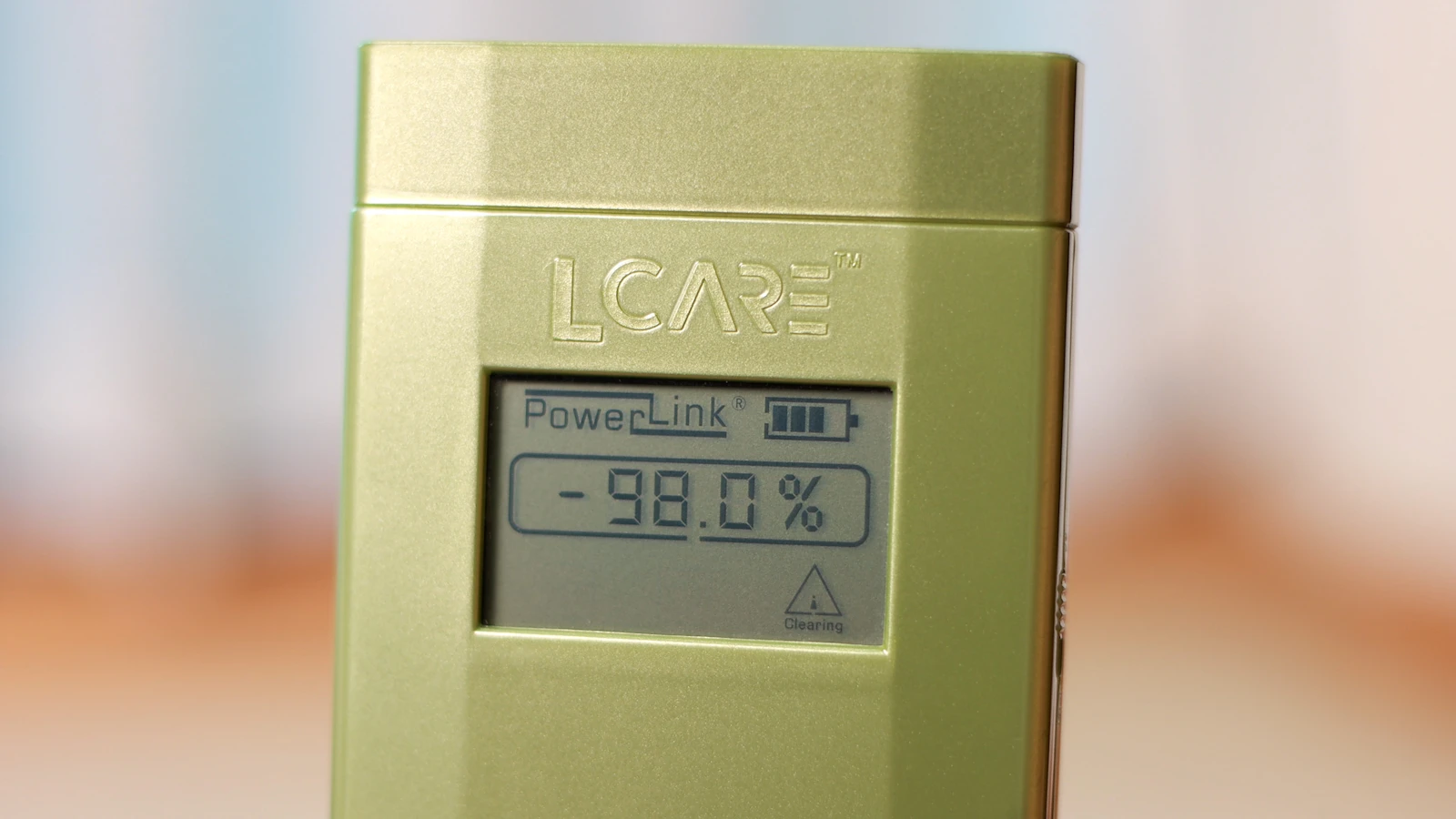
Moisture Meter Rental Rates in Houston (Daily/Weekly) — 2026 Costs
Construction Cost Overview – Houston
Price source: Costs shown are derived from our proprietary U.S. construction cost database (updated continuously from contractor/bid/pricing inputs and normalization rules).
Eva Steinmetzer-Shaw
Head of Marketing
Moisture Meter Rental Rates Houston 2026
For Houston flooring installation in 2026, budget moisture meter equipment hire as a small-tool line item that can still swing your closeout schedule if it extends acclimation or moisture-documentation windows. Planning ranges (tool-only, before tax) typically land at $15–$45/day, $55–$160/week, and $165–$450/month for common pin/pinless building-material meters; higher-end concrete-focused meters and specialty test-instrument rental programs can push $45–$95/day depending on model, calibration expectations, and whether shipping/logistics are bundled. Houston crews commonly source via tool rental counters (including Lowe’s Tool Rental locations) and national/regional rental houses, or they ship meters from test-instrument providers when they need a specific model for spec compliance.
| Vendor |
Daily Rate |
Weekly Rate |
Review Score |
Website |
| Enviro-Equipment, Inc. |
$32 |
$99 |
9 |
Visit |
| GlobalTestSupply.com |
$19 |
$63 |
8 |
Visit |
| SGS Galson (Hygiene Rental) |
$32 |
$96 |
9 |
Visit |
| JM Test Systems |
$28 |
$85 |
8 |
Visit |
What Drives Moisture Meter Equipment Hire Cost on Houston Flooring Installation?
The day rate on a moisture meter is rarely the full cost story for Houston flooring work. The total hire cost is driven by (1) the meter type required by your QA/QC plan, (2) how many crews need parallel access, and (3) billing-policy friction (cutoffs, weekend rules, and off-rent timing). In Houston specifically, ambient humidity and frequent slab-on-grade conditions tend to extend moisture-conditioning windows; that can turn a “1-week rental” into a 9–11 billable-day reality if you miss a return cutoff or can’t document readings before adhesive or underlayment goes down.
Meter Type And Spec Risk (What You’re Actually Hiring)
From a rental coordinator’s perspective, moisture meters for flooring installation usually fall into three hire “buckets,” each with different cost exposure:
- Pin-type wood moisture meters (good for wood subfloors, framing, and acclimation checks): typically the lowest hire cost, but expect accessory adders for pins and probes.
- Pinless/impedance building moisture meters (fast scanning, fewer surface repairs): commonly selected when you must avoid visible pin marks in finished trim or millwork staging areas.
- Concrete-focused meters (surface scan meters used as screening tools): often rented alongside (not instead of) ASTM-style methods required by spec; this can add both rental days and consumables.
As a reality check on published rental pricing: a Tramex concrete moisture meter rental program has been published at $16/day, $53/week, $160/month (CMEXpert II) and $19/day, $63/week, $190/month (CMEX5). Another program lists a Tramex moisture meter at $30/day, $85/week, $255/month. A Protimeter Surveymaster moisture meter has been published at $20/day, $50/week, $125/month. Use these as anchors; Houston counter pricing can vary by fleet availability and whether the branch treats the item as “tool rental” versus “test instrument.”
Typical Houston Hire Charges Beyond The Base Rate (Budget These Up Front)
To keep your moisture meter equipment hire cost predictable on Houston flooring projects, carry explicit allowances for policy-driven charges. The numbers below are planning ranges used by estimators and rental coordinators; confirm the branch terms at PO time.
- Minimum rental period: common minimums are 4 hours or 1 day even if the meter is returned same day (budget the full minimum).
- Damage waiver / LDW: typically 10%–15% of the rental charges (some programs quote a flat “protection” add-on).
- Security deposit / authorization hold: often $50–$300 for small instruments; higher if the meter is classified as specialty test equipment.
- Lost/damaged tool charge exposure: plan a not-to-exceed risk bucket of $250–$900 depending on model; meters often go missing during multi-trade turnover.
- Calibration / certificate option: if your GC or owner rep requests documentation, budget $25–$75 for a basic certificate, or $95–$175 for traceable calibration handling (varies widely by provider and turnaround).
- Accessory adders (pins/probes/electrodes): replacement pin sets are often billed at $5–$15 per set; hammer-probe or external electrode kits commonly add $10–$35 to the ticket if not included.
- Batteries / power: some counters require return with fresh batteries; otherwise expect a $5–$12 “battery/restock” charge.
- Cleaning fee: even for meters, jobsite dust or adhesive residue can trigger a $15–$60 cleaning line (especially if the case comes back with thinset dust, concrete slurry, or mastic transfer).
- Late return penalty: common structures are $10–$25/hour after cutoff or an automatic +1 full day charge.
- After-hours / weekend billing: if your return lands after Friday cutoff, many programs bill through Monday—carry a 2-day weekend float if your schedule is tight.
- Delivery / pickup (if you don’t have runners): local courier or branch delivery often lands at $65–$150 each way inside the Loop, with $2.50–$5.00/mile beyond a radius; add $15–$35 for downtown access constraints (parking/loading coordination).
- Same-day rush / short-notice dispatch: when you miss a morning cutoff, budget a rush fee of $35–$90 or accept an additional billed day due to delayed pickup.
Hidden-Fee Breakdown
- Delivery / pick-up charges: confirm whether the charge is a flat zone fee vs mileage, and whether “waiting time” is billable at $25–$75/hour if the driver can’t access the suite.
- Fuel or recharge surcharges: meters are typically battery-powered, but some providers still bill a $5–$12 battery/restock fee if returned dead or missing batteries.
- Damage waiver vs full insurance: LDW at 10%–15% may not cover theft from an unsecured jobsite; you may need to route through your contractor’s equipment floater.
- Cleaning and reset: budget $15–$60 for “jobsite dirty” plus $10–$25 if the case is missing foam inserts or the meter is returned without the protective cap.
- Late return / overtime hours: if your runner misses cutoff, expect +1 day or $10–$25/hour depending on terms.
Houston-Specific Cost Drivers For Flooring Moisture Meter Hire
Houston creates a few practical cost drivers that don’t show up in generic rental rate cards:
- Humidity-driven schedule float: higher ambient humidity can slow flooring acclimation and keep moisture documentation “open” longer. Budget an extra 2–3 rental days on projects starting in peak humid months if your spec requires documented readings at multiple milestones.
- Storm season and water-intrusion checks: when a site takes on water, the meter becomes a shared resource across trades (drywall, framing, flooring). That often forces you to rent a second unit for $15–$45/day so the flooring foreman isn’t waiting on remediation.
- Delivery logistics: Houston travel time across I-10 / 610 / Beltway 8 can turn a “pick it up at lunch” plan into a missed return cutoff, which is effectively +1 billable day. Build delivery/pickup into the plan when your crew is scheduled wall-to-wall.
Example: Houston Tenant-Improvement LVT Over Slab (How The Costs Add Up)
Scenario: 18,000 sq ft LVT installation in a west Houston TI space. Spec requires documented moisture screening at receipt of materials, pre-underlayment, and pre-adhesive. One meter is needed for QC, but the GC requests spot checks during punch, so you carry a second unit to avoid trade conflict.
- Meter hire (2 units): budget $30/day each for 8 billable days (missed Friday cutoff bills weekend) = $480.
- Damage waiver: 12% of rental = $58.
- Delivery/pickup: courier to avoid runner time: $95 delivery + $95 pickup = $190.
- Calibration documentation: basic certificate for closeout: $45.
- Accessory/pin allowance: replacements/consumables: $20.
- Cleaning/reset contingency: $25 (thinset dust in the case is common on mixed-scope TIs).
Budgetary moisture meter equipment hire subtotal: approximately $818 before tax. The base “day rate” was less than 60% of the all-in cost once logistics and policies were included.
Budget Worksheet (Moisture Meter Equipment Hire Allowances)
- Moisture meter hire (pin/pinless): $15–$45/day (carry 7–11 days for Houston acclimation/documentation windows)
- Concrete scan meter hire (screening tool): $16–$30/day (or $53–$85/week where weekly billing fits)
- Second meter for parallel crews: add +1 unit for 2–5 days on multi-trade turnovers
- Damage waiver / LDW: 10%–15% of rental
- Deposit / authorization hold: $50–$300
- Delivery/pickup (if no runner): $65–$150 each way + $2.50–$5.00/mile beyond radius
- Calibration/certificate handling: $25–$175 depending on documentation requirement
- Accessories (pins/probes/caps): $15–$50
- Cleaning/reset contingency: $15–$60
- Late return contingency: $25–$75 (or plan +1 day exposure)
Rental Order Checklist (What Your PO Should Cover)
- Exact meter model (pin vs pinless vs concrete scan) and any included accessories (case, protective cap, spare pins, reference block).
- Rental term and billing unit: confirm 4-hour vs 24-hour vs “weekly = 7 days” and how weekends/holidays bill.
- Off-rent rules: cutoff time for same-day return (often late afternoon); confirm whether after-cutoff check-in triggers +1 day.
- Damage waiver election (yes/no) and what theft/exposure it excludes.
- Deposit/credit card authorization requirements and who is permitted to sign.
- Delivery instructions: delivery window, site contact, loading dock rules, parking validation, and whether waiting time is billable.
- Return-condition documentation: require your foreman to photo the meter, serial number, and case contents at pickup and return to avoid missing-accessory backcharges.
- Consumables plan: batteries, replacement pins, protective bags for dust control (especially in occupied TI work).
When Buying Beats Hiring (And When It Doesn’t)
Because moisture meters are relatively low-cost compared to larger flooring equipment, you should sanity-check buy vs hire per project. If you’re renting a meter at $25–$45/day for repeated starts, you can hit purchase break-even quickly. However, hiring still wins when you need (a) a specific model to satisfy a spec or QA requirement, (b) a short-term second unit for parallel crews, or (c) a meter bundled with shipping, paperwork, and support from a test-instrument rental provider. For multi-site programs across Houston, the operational advantage is often availability and standardized documentation, not a lower day rate.
Operational Practices That Reduce Billable Days
- Reserve early and align pickup/return with branch cutoffs to avoid the “Friday-to-Monday” billing trap.
- Assign custody (one foreman) to prevent the meter disappearing into another trade’s gang box.
- Keep the case clean (zip bag inside the hard case) to reduce cleaning charges and disputes.
- Document readings efficiently so you don’t keep the meter an extra day just to compile closeout screenshots.
If you want the most predictable moisture meter equipment hire cost in Houston, treat it like any other compliance-driven rental: manage cutoffs, accessories, and documentation as tightly as the base rate.
How To Spec The Moisture Meter Hire Package For Flooring Installation (Without Overpaying)
Many Houston flooring teams overpay on moisture meter equipment hire because they rent the wrong “package” and then get hit with adders. The goal is to match the meter to your decision points (accept material, proceed with underlayment, proceed with adhesive) and to your documentation burden.
Right-Size The Rental Term: Daily vs Weekly vs Monthly
Use billing math, not habit. If your plan is to keep a meter on-site for intermittent checks (materials receipt + pre-install + punch), weekly pricing is often cheaper than three separate day rentals. Published weekly/monthly schedules for common meters can be as low as $37/week and $110/month for a building moisture detector type, or $53/week and $160/month for certain concrete moisture meters—use those anchors to negotiate or to pick the best term for your schedule. If your provider is closer to $85/week or $255/month, verify what’s included (shipping, support, certificate options).
Shipping And Handling: Instrument Rental Programs vs Local Pickup
For Houston, you generally have two fulfillment patterns:
- Local counter pickup (fast, minimal paperwork): lowest logistics cost if you have a runner and can hit return cutoffs.
- Test-instrument rental shipment (model-specific, documentation-heavy): better when your spec calls out a particular brand/model or when you need consistent documentation across multiple sites.
Either way, ask one operational question up front: “Is return shipping included?” Some rental price lists explicitly include free return shipping, which can materially change the all-in cost versus couriering locally.
Documentation Adders: Data Handling Fees And Closeout Costs
Even if you only rent a moisture meter (not a logger), documentation can introduce service fees. One published rental price list notes an additional data download charge of $50 for up to 5 like units, $100 for 6–10, and $150 for 11–15. If your QA/QC process requires the rental provider to download, format, or certify results, carry an explicit line item so it doesn’t get buried as a surprise “service” charge after return.
Cost Controls For Houston Sites: Cutoffs, Access, And Off-Rent Timing
Moisture meters are small, but Houston job logistics still drive billable days:
- Return cutoff planning: schedule returns before 2:00–4:00 PM cutoffs (varies by branch). Missing cutoff is a common reason for +1 day billing.
- Downtown/Medical Center access: if parking/loading is constrained, a “quick return” can turn into 45–90 minutes of nonproductive time; courier fees of $95–$150 can be cheaper than pulling a lead installer off the floor.
- Weekend/holiday billing: if you pick up late Friday for a Monday morning check, you may pay for the weekend. Carry a 2-day float when your schedule is tight.
Common Add-On Tools That Get Bundled With Moisture Meter Hire (And Why You Should Pre-Approve)
Rental counters and foremen often add adjacent items “because we’re already there.” That can be legitimate—but it should be estimated, not improvised. Typical adders that show up on flooring moisture documentation workflows include:
- Infrared thermometer for surface temperature checks: $10–$25/day (varies by provider; often treated as instrumentation rental).
- Thermo-hygrometer for ambient documentation: published at $35/day, $105/week, $340/month in one rental list.
- Protective containment/dust control supplies (not rentals, but cost-impacting): carry $20–$60 for floor protection and poly if the site is occupied and you must keep instruments clean.
Procurement Notes: How To Write The PO Line So You Don’t Get Backcharged
To reduce disputes on moisture meter equipment hire, write POs with:
- Model or equivalent language plus a requirement that the meter is delivered with case and standard accessories.
- Included accessories list (pins, cap, reference block if applicable) and a note that missing accessory backcharges require photo proof.
- Return condition standard: “Returned free of adhesive/mastic residue; case contents verified.”
- Rate structure (day/week/month) and whether weekends are billable.
- Damage waiver election and any insurance certificate requirements.
Planning Takeaways For 2026 Houston Flooring Programs
For 2026 bidding and staffing in Houston, the most reliable approach is to treat moisture meter hire as a small but schedule-sensitive cost: pick the term that matches your QA milestones, carry explicit allowances for LDW (10%–15%), logistics ($65–$150 each way if couriered), and documentation service fees (potentially $50–$150 when data handling is required). Anchor your estimate to published daily/weekly/monthly programs for comparable meters—such as $19/day, $63/week, $190/month or $20/day, $50/week, $125/month—and then adjust for your site constraints and compliance burden.
If you want, I can tailor the rental budget to your project size (sq ft), flooring type, and the number of parallel crews—still keeping it strictly to moisture meter equipment hire and the policy/logistics costs that affect the final invoice.