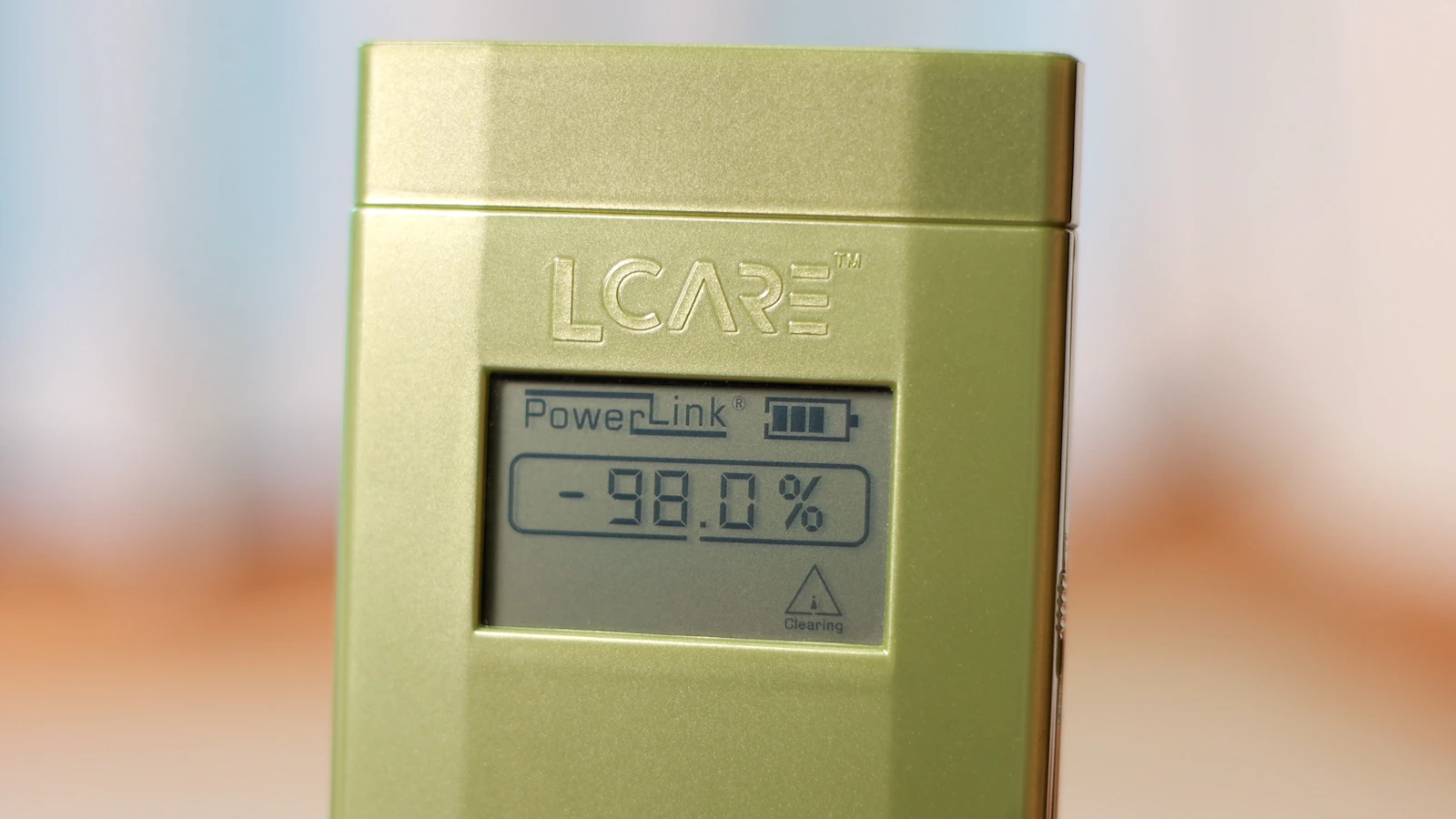
Moisture Meter Rental Rates Omaha 2026
For flooring installation in the Omaha metro, 2026 planning budgets for moisture meter equipment hire typically land in these ranges: $15–$60 per day, $50–$200 per week, and $150–$550 per 4-week period, depending on whether you’re hiring a basic pin-type wood meter, a pinless scanning meter, a concrete screening meter, or a higher-function unit (some models integrate IR/thermal features or come bundled in restoration kits). These ranges assume contractor-grade equipment with a carry case and basic accessories; they do not include taxes, deposits, damage waiver, shipping/delivery, or consumables. In Omaha, most contractors source meters through national rental channels (big-box tool rental counters and large rental houses) or through specialty test-instrument rental providers that ship to the jobsite.
| Vendor |
Daily Rate |
Weekly Rate |
Review Score |
Website |
| United Rentals (Omaha metro) |
$65 |
$260 |
8 |
Visit |
| Sunbelt Rentals (Omaha metro) |
$60 |
$240 |
8 |
Visit |
| Herc Rentals (Omaha metro) |
$70 |
$280 |
7 |
Visit |
| The Home Depot Tool Rental (Omaha metro) |
$29 |
$116 |
8 |
Visit |
Reality check from current published rental menus (used to build 2026 planning ranges): online instrument-rental providers commonly list daily rates around $15–$21/day for popular pinless and building moisture meters, with $50–$70/week and $150–$210/month equivalents, while some regional service companies price certain Tramex-style encounter meters closer to $50/day or $150/week.
Low-end note (not always practical for commercial flooring QA/QC): peer-to-peer marketplaces may advertise rates around $8/day or $27/week, but availability, calibration traceability, and contract terms often don’t align with professional closeout requirements.
What You Are Actually Hiring For Flooring Installation
“Moisture meter” can mean materially different tools, and the type you hire drives both the sticker rate and the risk of rework:
- Pin-type wood moisture meter (MC%) for hardwood, sleepers, and wood subfloors. Often the lowest hire cost, but requires pins and may leave pinholes.
- Pinless scanning moisture meter for fast mapping on wood/OSB and some finished surfaces (useful for pre-install acceptance walks). Often slightly higher daily rates than basic pin units.
- Concrete screening meter (impedance “encounter” style) used for “wet/dry” scanning and to target where you place in-slab RH probes; this is common on slab-on-grade tenant improvements where you need to decide where to run ASTM-style testing and mitigation.
- Moisture/thermal hybrid meters or restoration kits bundled with hygrometers/IR temperature measurement; these usually rent at a mid-tier rate but can reduce mobilizations if you’re documenting ambient conditions alongside substrate readings.
On concrete slabs, many flooring specifications rely on in-situ RH testing (ASTM F2170) and use a concrete meter primarily as a screening / placement aid rather than the final acceptance test; some manufacturers explicitly market meters for helping locate moisture pockets and optimize probe placement.
What Changes The Total Moisture Meter Hire Cost In Omaha?
In practice, the total cost of moisture meter hire for Omaha flooring projects is driven less by the base day rate and more by contract logistics, documentation requirements, and “small” adders that accumulate across multiple mobilizations.
1) Hire duration and billing rules (day vs weekend vs week)
Many rental contracts define a “day” as a 24-hour consecutive rental period, and a “month” as 28 consecutive days. Weekend rules can be favorable (pick up Friday, return Monday morning) or unfavorable (Monday morning return after a cutoff triggers another day). These definitions are common across rental houses and are worth confirming in writing on the PO and rental agreement.
Omaha-specific operating constraint: downtown deliveries/pickups frequently collide with building dock hours and parking enforcement. If your project is in the CBD/Old Market, plan for a tighter receiving window (often 2-hour dock appointments) and a higher chance of a redelivery or waiting-time charge if the driver cannot access the loading area on the first attempt.
2) Meter type, accessories, and calibration expectations
For flooring installation closeout, many GCs and owner reps expect:
- Documented model/serial number on the daily report.
- Calibration confirmation (or at minimum a functional check) at pickup and again at return.
- Jobsite accessories that are easy to overlook at reservation time (carry case, spare pins, hammer electrode for wood, surface contact pads, RH/temperature probe where applicable).
Even when the hire rate is attractive, missing accessories can cost more than the tool: a second trip across Omaha during peak traffic hours can burn 1.0–2.0 labor-hours and jeopardize a same-day installation window.
3) Delivery, shipping, and custody chain
For a handheld meter, Omaha crews often choose will-call pickup to avoid courier fees. When delivery is used (multi-site rollouts, hospital/secure facilities, or when the superintendent wants chain-of-custody), budget these as allowances unless your supplier quotes otherwise:
- Local delivery/pickup allowance: $45–$95 each way within a typical 15–25 mile metro radius.
- Out-of-area mileage: $2.50–$4.00 per loaded mile beyond the base radius.
- Minimum delivery charge: $75–$125 even for small instruments.
- Same-day / hot-shot courier: $125–$250 when the meter is needed to keep an install crew productive.
- Parcel shipping (instrument rental by mail): $20–$60 each way depending on service level and declared value.
Omaha-specific climate note: humidity swings and winter temperature differentials can create condensation events at entrances and slab edges. That increases the likelihood you’ll need multiple days of readings (or additional test points) to demonstrate stability before adhesive-down installs—so duration risk is higher on shoulder-season schedules.
4) Damage waiver, deposits, and “admin” charges
For moisture meter equipment hire, these terms vary widely. If you want predictable total cost, decide up front whether you’re accepting the vendor’s damage waiver or pushing the risk to your own insurance program. Typical planning allowances (confirm with your supplier):
- Damage waiver: 10%–15% of the rental charge (often applied to the base rent, not to tax or delivery).
- Refundable deposit/authorization hold: $100–$300 for handheld meters; higher for kits with multiple components.
- Credit card processing surcharge: up to 3% at some rental counters.
- Environmental/admin fee: 2%–5% (sometimes capped, sometimes not).
Weekend and overtime policies can also surface in the fine print. Some rental policies bill overtime at a percentage of the daily rate once usage exceeds an allowed threshold (more common on metered equipment, but the concept appears in many rental terms).
Hidden-Fee Breakdown (Plan These Up Front)
To keep your Omaha flooring schedule predictable, treat the items below as standard “hidden fee” checks during reservation and at return. These are common cost drivers even when the base moisture meter hire price looks low:
- Cleaning fee: $25–$75 if the meter/case returns with adhesive, thinset dust, or concrete slurry (frequent on slab grinding / prep days).
- Missing parts charge: $5–$25 for small accessories (pins, caps, lanyards) and $50–$250 for cases, probes, or sensor modules depending on model.
- Battery replacement: $5–$15 if returned dead and the supplier swaps batteries (some meters use 9V; others use AA/AAA packs).
- Calibration / functional-check fee: $25–$65 if the unit requires bench verification after a “questionable reading” incident or damage claim.
- Late return penalty: one additional day of rent (common) if missed by the cutoff, plus possible after-hours receiving charges.
- After-hours will-call / will-call cutoff miss: $30–$75 for special handling at some counters.
If you need a bundled kit (pinless meter plus humidity tools), published rental menus show that kits can price differently than a standalone meter; for example, one listed Extech restoration kit rate is $24/day, $56/week, and $160/month.
Example: Omaha Flooring Installation Scenario With Real Constraints
Example: 18,000 SF LVT install over a slab in west Omaha with a tight turnover. Your spec requires documented substrate and ambient conditions before adhesive-down. You hire a mid-tier pinless meter and a concrete screening meter for mapping, then coordinate RH probe work separately.
- Hire item #1 (pinless meter): $18/day planned for 3 days = $54 (planning rate benchmarked from published daily ranges).
- Hire item #2 (concrete screening meter): $16/day planned for 2 days = $32 (planning rate benchmarked from published daily ranges).
- Damage waiver allowance: 12% of base rent = $10.32 (allowance).
- Delivery decision: will-call pickup to avoid a $75 minimum delivery charge (allowance), but schedule a dedicated runner for pickup/return (2 trips).
- Return cutoff risk: if the unit is returned after the counter’s cutoff on day 3, plan for +1 day billing (another $18 + waiver/tax impact).
- Cleaning exposure: if the meter case gets contaminated with grinding dust, allow $35 cleaning (allowance) rather than disputing after the fact.
Why this matters: In this scenario, the tool’s base rent is under $100, but the controllable “process costs” (runner time, return cutoff discipline, and return condition) determine whether you stay near budget or drift into a 2x total cost outcome.
Omaha Notes That Change Pricing And Execution
- Dust-control expectations: Omaha slab prep work often includes aggressive grinding to remove curing compounds/adhesive residue. If you’re also hiring grinders/vacuums, keep the meter in a sealed case and take readings outside the grinding zone to avoid return-condition disputes and cleaning fees.
- Heat and humidity seasonality: summer humidity can push acclimation durations and require repeat readings; plan for a longer hire window (week rate) if your schedule spans multiple mobilizations.
- Secure facilities: healthcare/mission-critical sites in Omaha frequently require tool sign-in/out and may restrict lithium batteries or require tool tagging; build in extra time at pickup and return for documentation.
How To Specify The Right Moisture Meter Hire For Flooring Installation
From a rental coordinator’s perspective, the most cost-effective moisture meter equipment hire is the one that prevents rework without creating documentation gaps. When you’re supporting flooring installation (wood, resilient, epoxy, or moisture-sensitive coatings), lock down three things at reservation time: the measurement method (pin vs pinless vs concrete screening), the reporting expectation (what you must submit), and the contract terms that create cost exposure (return cutoffs, missing parts, and damage waiver).
Pinless vs pin-type: cost trade-offs
- Pin-type (often lowest hire cost): good for checking wood flooring and subfloor MC% at depth, but plan for consumable pins and the operational reality that installers may resist pinholes on finish material. Allow $8–$20 for spare pins and caps as a job allowance.
- Pinless scanning (often mid-tier): faster mapping and easier to use for acceptance walks, but can be more sensitive to density and embedded fasteners. Allow $0–$35 for a quick field verification step (side-by-side check on a known dry piece) to reduce “false wet” callbacks.
Concrete slabs: screening vs acceptance testing
For slab installs, be explicit internally about what the hired moisture meter will and won’t do. Concrete meters are widely used to identify relative wet areas and help decide where to place in-slab RH probes; some manufacturers specifically describe this workflow (screening to find moisture pockets and optimize probe placement).
If the GC/owner requires ASTM F2170-style in-situ RH results, budget the RH probe program separately (often driven by sensor count and consumables rather than “meter hire”). Where contractors get burned is assuming a low-cost handheld meter hire satisfies the spec—then paying for a second mobilization and extended equipment hire once the issue is discovered.
Cost Drivers You Can Control On The PO
Use the PO to turn “surprise fees” into agreed terms. These controls are especially helpful when multiple Omaha crews share the same instrument across sites.
Return cutoff, weekend rules, and off-rent notice
- Set an internal return cutoff that is earlier than the vendor’s (e.g., return by 2:00 PM even if the counter closes at 5:00 PM) to avoid traffic and dock delays.
- Confirm weekend billing in writing (some policies treat weekend returns after a Monday morning cutoff as additional charges).
- Require off-rent confirmation (email or app confirmation) when returning at a different branch than pickup.
Damage waiver, liability, and deposits
- Decide waiver vs self-insure and write it on the PO. If you accept waiver, confirm what it excludes (theft, negligence, water intrusion).
- Deposit/authorization hold should be pre-approved with accounting to avoid pickup delays; allow $100–$300 for handheld meters and $250–$750 for multi-component kits (allowances).
- Payment method fees can be non-trivial at scale; some rental policies list a 3% surcharge on major credit cards—avoid that by paying via account where possible.
Delivery / pickup scope
If you do need delivery in Omaha (multi-site rollout, manpower constraints, secure facility), reduce re-delivery risk by writing these requirements on the PO:
- Delivery window: specify a 2-hour dock window and name/phone for receiving.
- Call-ahead: require 30-minute call-ahead so the dock can clear.
- Access constraints: indicate freight elevator requirements and whether parking is available.
- Return condition documentation: require a quick photo set at pickup and at return (case open, accessories present, serial number visible).
Budget Worksheet (Omaha Moisture Meter Equipment Hire)
Use this as a no-table worksheet for estimating and for the rental coordinator’s internal approval packet.
- Moisture meter equipment hire (pinless or pin-type): allow $15–$60/day, $50–$200/week, $150–$550/4-week (planning range built from published benchmarks and regional pricing spread).
- Concrete screening meter hire (if mapping slabs): allow $16–$60/day depending on model class and availability (planning allowance).
- Bundled restoration/measurement kit (optional): allow $24/day, $56/week, $160/month where a bundle reduces mobilizations (benchmark example).
- Damage waiver: allow 10%–15% of base rent (allowance).
- Deposit/authorization: allow $100–$750 depending on kit complexity (allowance).
- Delivery and pickup: allow $45–$95 each way local; $75–$125 minimum (allowance).
- Shipping (if renting by mail): allow $20–$60 each way (allowance).
- Cleaning/return condition: allow $25–$75 (allowance).
- Missing parts exposure: allow $25 for small parts and $150 for a probe/case incident (allowance).
- Battery/consumables: allow $10–$25 (allowance).
- Admin/environmental fees: allow 2%–5% (allowance).
- Contingency for an extra day (return cutoff miss): add 1 day of rent per meter as contingency (allowance).
Rental Order Checklist (For The PO And Jobsite Execution)
- PO scope: list exact meter type (pin vs pinless; wood vs concrete screening), brand/model acceptable, and required accessories (case, spare pins, contact pads, probe if included).
- Dates: pickup date/time, return date/time, and any weekend/holiday billing agreement.
- Delivery (if used): address, dock instructions, onsite contact, call-ahead requirement, and delivery window.
- Insurance / waiver decision: waive accepted (yes/no), COI requirements if any, and who is responsible for theft/loss.
- Deposit authorization: approved amount and payment method; confirm any card surcharge exposure.
- Off-rent rule: require written confirmation when the meter is returned/off-rented; request an emailed “closed contract” receipt.
- Return condition: meter wiped down, case vacuumed, accessories counted, photos taken, and serial number verified.
- Documentation required: daily moisture log format, ambient conditions recorded (RH/temperature), and storage requirements (meter kept in case, not in grinding zone).
When A Week Or 4-Week Hire Beats Daily Rates
For Omaha flooring schedules that include acclimation delays, tenant coordination, or multi-phase punch, a weekly or 4-week hire often costs less than repeated day rentals plus repeated pickup/return labor.
Published rate structures commonly show that weekly pricing is not a strict 5x multiple of daily; for example, some online rentals list $15/day and $50/week for a pinless moisture meter (weekly is ~3.3x daily), and $150/month (~10x daily).
Practical rule for estimators: if you expect the meter to be in the field more than 3 working days across a week (especially when weekend rules are unclear), budget at the week rate to cap your exposure—then “win back” savings if you return early and the vendor pro-rates (if they do).
Procurement Notes For Instrument Rentals (Avoid Rework)
- Confirm the meter’s intended materials: some units are marketed for wood/drywall; others for concrete screening. Don’t assume one meter is “universal.”
- Assign custody: one foreman signs the checkout and owns return-condition verification. This single step prevents the most common handheld tool loss: the meter riding out in a gang box to a different site.
- Plan for repeat readings: if your install is moisture-sensitive and Omaha weather is volatile, plan for at least two reading events (pre-install and day-of install). The “extra day” rental contingency is often cheaper than a delayed crew.
If you want, share your anticipated floor type (LVT, hardwood, epoxy), approximate SF, and whether you’re over slab or wood. I can tighten the 2026 hire allowances (still non-vendor-specific) around the meter class you’ll actually need.