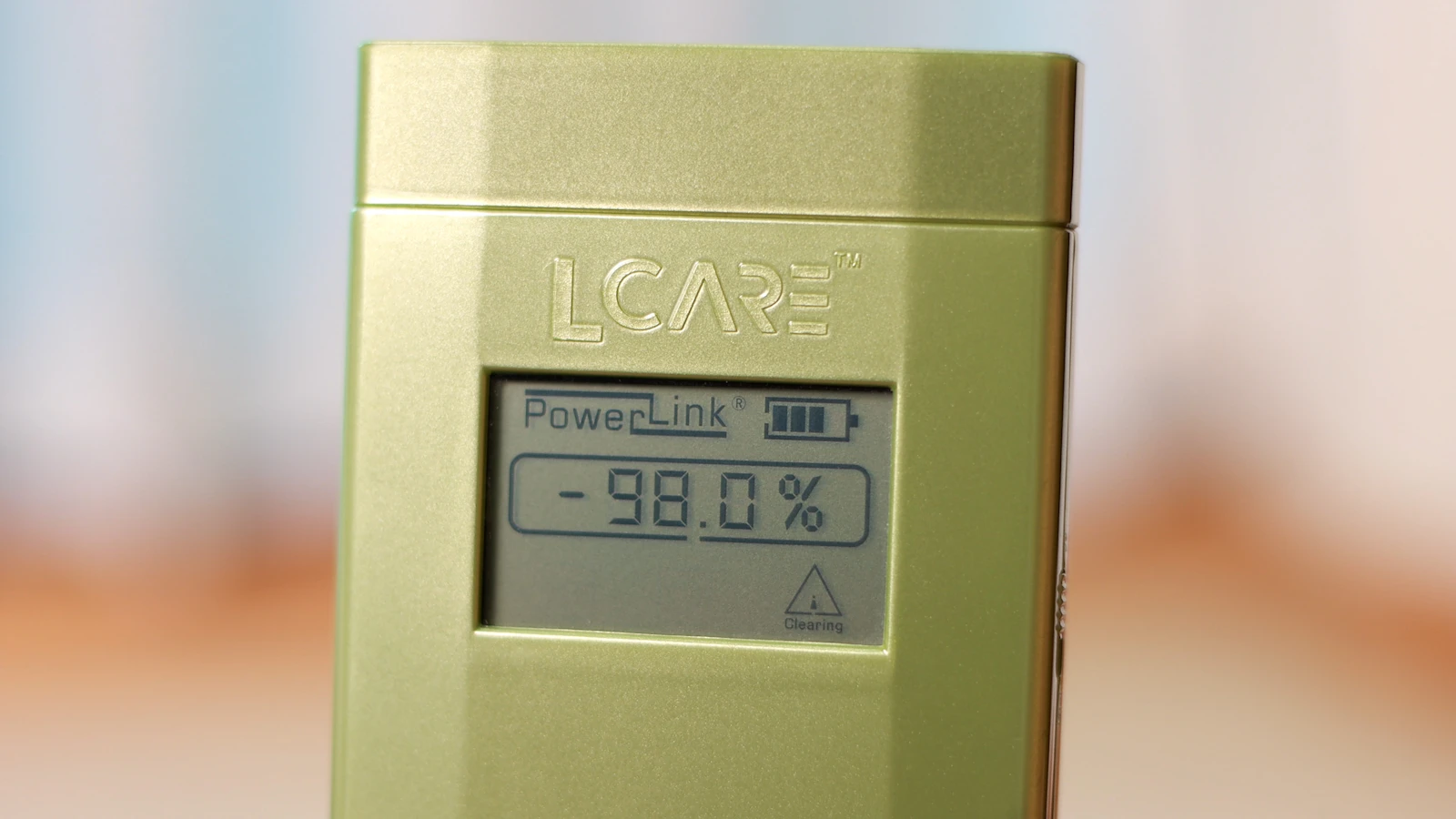
For flooring installation scopes in San Francisco, 2026 planning budgets for moisture meter equipment hire typically land in three bands: (1) basic pin or entry pinless meters for quick spot checks, (2) mid-range pinless/combination meters suitable for subfloor and framing verification, and (3) higher-end concrete moisture encounter meters or inspection kits with better repeatability and reporting workflows. As a practical allowance, plan $35–$95/day, $120–$285/week, and $360–$850/4-week month for a single meter depending on type, accessories, and whether you’re shipping to site vs. counter pickup. Rental coordinators in the Bay Area commonly source these meters through national equipment rental branches (when stocked), specialty restoration suppliers, or test-instrument rental shippers that can overnight to California; lead time and delivery constraints can materially change the true hire cost.
| Vendor |
Daily Rate |
Weekly Rate |
Review Score |
Website |
| SGS Galson (Equipment Rentals) |
$30 |
$85 |
9 |
Visit |
| iRent / Industrial Environmental Monitoring Instruments (IEMI) |
$42 |
$79 |
8 |
Visit |
| Enviro-Equipment, Inc. |
$71 |
$216 |
9 |
Visit |
| Field Environmental Instruments, Inc. (FEI) |
$25 |
$53 |
8 |
Visit |
| ValueTesters.com (Instrument Rentals) |
$18 |
$60 |
7 |
Visit |
Moisture Meter Rental Rates San Francisco 2026
Use the ranges below as 2026 budgeting allowances for San Francisco flooring installation projects. Assumptions: 1-day minimum unless negotiated; 1 “month” is a 4-week billing period; rates exclude tax, delivery/shipping, damage waiver, and consumables.
- Basic pin-type wood moisture meter hire (framing/subfloor spot checks): $35–$60/day, $120–$190/week, $360–$540/month.
- Pinless moisture meter hire (faster scanning; no pin holes): $45–$85/day, $155–$265/week, $465–$795/month.
- Concrete “encounter” (non-destructive) meter hire for slab screening and comparative testing workflows: $40–$95/day, $140–$285/week, $420–$850/month.
- Inspection kit adders (case + reference plate + small accessories + documentation): add $10–$35/day or $30–$95/week depending on what’s bundled.
Benchmark examples from published rental schedules can help bound your negotiation. For example, one instrument-rental provider lists Tramex CMEX5 at $19/day, $63/week, $190/month and a Tramex MEP building moisture detector at $11/day, $37/week, $110/month (before shipping/taxes). Another equipment rental counter lists a moisture meter at $60/day, $181/week, $544/month. A separate rental brochure lists a Tramex moisture meter at $30/day, $90/week, $270/month.
San Francisco adjustment note: the meter’s base hire rate may not be dramatically higher than other major metros, but logistics (delivery windows, parking, tolls, and same-day courier) and administration (COI requirements, site access rules, off-rent cutoffs) often add $150–$450+ to a short rental when you price it as “fully landed on the job.”
What Drives Moisture Meter Equipment Hire Cost for Flooring Installation?
Moisture meter rental cost is less about the hardware and more about the risk and documentation expectations tied to a flooring installation scope. The biggest cost drivers are:
- Meter class and intended substrate: wood-focused meters vs. building-material meters vs. concrete screening meters. A concrete meter may be required by the GC’s QA plan even if you’re also running RH probes or calcium chloride testing.
- Repeatability and reporting workflow: if your closeout requires time-stamped readings, photo logs, or serialized equipment details, vendors may price the rental as an “inspection kit” rather than a bare meter.
- Calibration status and certificate needs: requesting a calibration certificate (or proof of recent verification) commonly adds $25–$60 as an admin line item, or it may be bundled at a higher daily rate.
- Accessories and replacement exposure: hard case, reference plate, electrode/pins, spare batteries, and protective boot. Lost/damaged accessories often price as replacement, not repair (e.g., $35–$90 for a case; $20–$45 for pins/electrodes; $15–$35 for a reference plate, depending on model).
- Contract terms: a “day” might mean a 24-hour clock, or it might mean “same-day” with a strict return cutoff (often by 8:00–9:00 AM next business day). Misunderstanding this is a common cost leak on short hires.
Meter Selection: Match The Hire To The Flooring Risk, Not Habit
For flooring installation, your rental coordinator should align the equipment hire to the decision you’re making on site:
- Wood subfloor / framing acceptance: pin or pinless is often sufficient for trending and documenting that materials are within the manufacturer’s install window. If you need to avoid surface damage on finished wood, favor pinless and budget the higher band.
- Concrete slab screening (pre-flooring): “encounter” style meters are frequently used for comparative testing and to map hot spots before committing to more formal tests. Tramex notes that certain kits support comparative testing per ASTM F2659 workflows.
- True slab moisture compliance: if the spec calls for RH probe testing (ASTM F2170) or another formal method, a simple meter hire may be supplemental rather than the primary compliance tool. In that case, treat the meter as a small adder and focus your budget on the compliance test kit, drill/vac, and documentation process.
Operationally, this is where costs creep: teams often hire a “cheap” meter, then discover the GC requires a different meter class, a certificate, or a data logging workflow—turning a $200–$400 planned spend into a $600–$1,200 fully landed cost once couriers, extensions, and admin fees hit.
Hidden-Fee Breakdown (Where Moisture Meter Hire Costs Usually Escalate)
Below are the most common “real world” adders that turn a low daily rate into a higher true cost on a San Francisco job:
- Delivery / pickup: for in-city courier from a local counter, plan $60–$120 each way; for truck delivery with a scheduled window, plan $95–$210 each way. If bridge crossings are involved, add toll/pass-through allowances of $8–$25 depending on routing and policy.
- Shipping (instrument-rental ship-to-site): budget $25–$45 each way for ground shipping, or $55–$120 each way for expedited/overnight, plus packaging fees of $5–$20 if billed separately.
- Minimum rental charge: many meters are a 1-day minimum even if you only need a 2-hour verification walk.
- Damage waiver / LDW: commonly 10%–15% of time-and-material rental charges (meter + accessories), sometimes with a minimum charge such as $5–$15.
- Deposit / authorization hold: plan $100–$500 on a card (varies by account terms). On some accounts, the “hold” can exceed the weekly hire charge.
- Late return / extra day triggers: a missed cutoff can flip you into another full day. For staffed counters, a common operational rule is “return by 3:00–5:00 PM to stop billing,” but confirm per vendor.
- Cleaning fee: while meters don’t get “dirty” like heavy equipment, cases do. Budget $25–$75 if returned with concrete dust, adhesive residue, or wet/muddy cases (common on slab prep days).
- Battery and consumables: vendors may bill disposable batteries at return (often $5–$12), or they may require you to return with fresh batteries installed.
- Loss/damage pricing: treat these as real exposure. A mid-grade meter replacement can land in the $400–$900 range; higher-end inspection meters and kits can exceed $1,200 depending on model and accessories.
San Francisco-Specific Considerations That Change The True Rental Cost
San Francisco is less about long hauls and more about site friction. Build these into your equipment hire plan:
- Delivery windows and loading constraints: downtown and dense neighborhoods commonly require narrow delivery windows (e.g., 7:00–10:00 AM), staged loading zones, or a designated receiver. If the driver can’t park, you’ll see re-delivery fees of $45–$125 or standby time billed at $75–$150/hour.
- High-rise rules: if the meter must go through a freight elevator booking system, missed slots can force same-day courier re-runs. It’s not unusual to budget a second trip allowance of $60–$120 if you don’t control access.
- Coastal microclimates: fog and cooler coastal zones can slow acclimation and create more “re-check” visits. That often drives rental extensions (an extra 2–4 days is common on phased installs), which is why weekly pricing is usually the safer baseline.
Example: Two-Week Moisture Meter Hire For A 6,000 SF Tenant Improvement
Scenario: 6,000 SF LVT install over slab in SoMa; GC requires moisture mapping before primer/patch, and your PM wants photo-documented readings at turnover.
- Planned hire: pinless/concrete encounter meter at $220/week × 2 weeks = $440 (budget range; confirm quote before issuing PO).
- Damage waiver: assume 12% × $440 = $52.80.
- Delivery: courier drop + pickup at $95 each way = $190.
- Calibration/cert admin: allowance $40.
- Return cleaning risk: allowance $35 (dusty case from slab grinding day).
Estimated fully landed cost: $440 + $52.80 + $190 + $40 + $35 = $757.80 (before tax). If you miss the off-rent cutoff and get billed one extra day at $75/day, your total moves to roughly $832.80. This is why many SF teams default to weekly billing even for “short” field use.
Budget Worksheet (Moisture Meter Equipment Hire Allowances)
Use this as a non-table worksheet for estimating and PO prep. Adjust for your account terms.
- Moisture meter hire (pin/pinless/concrete encounter): $360–$850 per 4-week month (choose based on meter class)
- Weekly rental allowance (common for phased installs): $120–$285/week
- Delivery/pickup or courier (San Francisco): $120–$420 round trip
- Shipping (if instrument rental ships to site): $50–$240 round trip depending on speed
- Damage waiver/LDW: 10%–15% of rental charges (set allowance)
- Calibration certificate/admin: $25–$60
- Cleaning/return condition allowance: $25–$75
- Standby / failed delivery attempt contingency: $75–$150
- Loss/damage contingency (project-specific): $0–$250 (or handle via insurance/waiver strategy)
Rental Order Checklist (What To Lock Before The Meter Leaves The Counter)
- PO includes: meter model/class, included accessories (case, pins/electrodes, reference plate), and serial number requirement if your QA plan requires it
- Confirm billing: day/week/month rates, minimum rental, weekend/holiday billing rules, and the off-rent cutoff time
- Delivery plan: exact jobsite address, contact name/phone, loading instructions, and whether a COI is required for delivery access
- Return requirements: condition photos, who signs the return ticket, and where the meter is staged for pickup
- Power/consumables: battery type, “return with fresh batteries” expectation, and whether the vendor bills disposables
- Documentation: calibration certificate required (yes/no) and when it will be provided (at delivery vs. email)
- Dispute-proofing: take time-stamped photos at delivery and at return; log any pre-existing case damage on the ticket
How To Control Moisture Meter Equipment Hire Spend Without Losing Documentation Quality
On San Francisco flooring installation schedules, the most effective cost controls are operational, not negotiational. If you standardize your rental workflow, you can often shave $150–$400 off the fully landed cost of a short-term moisture meter hire without compromising your moisture documentation.
- Default to weekly when the job is phased: if you anticipate more than 3–4 site visits, weekly rates typically beat stacked day rates plus courier churn.
- Align delivery with a controlled access window: missed access is one of the most expensive failure modes in SF. A single re-delivery can add $45–$125 plus schedule disruption.
- Bundle with other QA instruments when feasible: if you’re already renting a thermal camera or hygrometer from an instrument rental provider, bundling shipments can reduce shipping from two round trips (e.g., $55–$120 each way twice) to one combined shipment.
Documentation Level: What It Costs To “Make The Reading Stick”
Many disputes are not about the reading—they’re about whether the reading is defensible. Build the cost of defensibility into your equipment hire plan:
- Calibration proof: budgeting $25–$60 for a certificate/admin step is often cheaper than absorbing a punch-list delay that forces an extra week of rental.
- Photo log workflow: if your superintendent spends 30–45 minutes photographing readings across multiple rooms, it may be worth adding an inspection kit or a meter better suited to rapid scanning, even if the daily rate is $20–$40 higher.
- Consistent mapping approach: define a grid (for example, every 250–500 SF) so you can justify why you tested where you tested. More re-check requests = more rental days.
Off-Rent Rules, Weekend Billing, And Return-Condition Traps
These are the most common avoidable charges on meter rentals:
- Weekend billing: some counters bill Saturday/Sunday as full days if the meter is out. Others do a discounted “weekend rate.” If your scope spans a weekend, ask whether Friday pickup triggers weekend charges or whether Monday return is treated as one billed day.
- Late return exposure: when a meter is scheduled for pickup, ensure the site team stages it before the driver arrives. Driver wait time can bill at $75–$150/hour, and missed pickup may trigger a full extra day.
- Dust control and indoor housekeeping: slab grinding and shot blasting produce fine dust that infiltrates cases and ports. Plan dust-control expectations (zip walls, negative air, or scheduled cleanup) so you don’t eat a $25–$75 cleaning fee and/or get blamed for “equipment contamination.”
- Return-condition documentation: take 6–10 photos at return (meter face, body, case interior, accessories). This is cheap insurance against loss/damage claims that can exceed $400–$900.
When A Basic Moisture Meter Hire Is Not Enough For Flooring Installation
If your spec or flooring manufacturer requires formal slab moisture testing (for example, RH probe tests), a basic meter may only be a screening tool. The cost implication is that you may need to rent (or buy) additional tools:
- Drill + HEPA vac adders: if you’re drilling for RH probes, account for a drill rental (often $35–$85/day) and a HEPA vac ($60–$140/day), plus filters/bags ($20–$55).
- Consumable test kits: some methods rely on consumables that are not “rental” line items. Treat these as separate procurement with their own lead times.
- Extra days for equilibration: formal tests can require waiting periods; that can extend your meter hire by 2–7 days depending on method and schedule logic.
In other words: the cheapest moisture meter hire is the one that matches the compliance path the first time. A $50/day meter that forces a re-test week is more expensive than a $90/day meter that satisfies the GC’s QA expectations on the first walk.
Procurement Notes For San Francisco Rental Coordinators
- Book early for Monday starts: if you need shipping/overnight, confirm cutoff times (often 2:00–4:00 PM for same-day ship) to avoid paying premium shipping the next day.
- Confirm who receives the delivery: SF sites with strict access controls should assign a receiver; failed delivery attempts can add $45–$125 and burn a day of rental.
- Clarify recharge/refuel expectations: moisture meters are battery-based; agree whether the vendor provides fresh batteries or bills at return (often $5–$12).
Sources And Benchmarks Used For 2026 Planning
Published rental examples used only as benchmarks (your quoted rate will vary by account, lead time, and included accessories): instrument-rental listings showing daily/weekly/monthly rates for Tramex moisture meters a rental counter listing moisture meter day/week/month pricing and a rental pricing brochure listing Tramex moisture meter day/week/month pricing. Tramex kit documentation referenced for comparative-testing positioning used in some flooring inspection workflows.