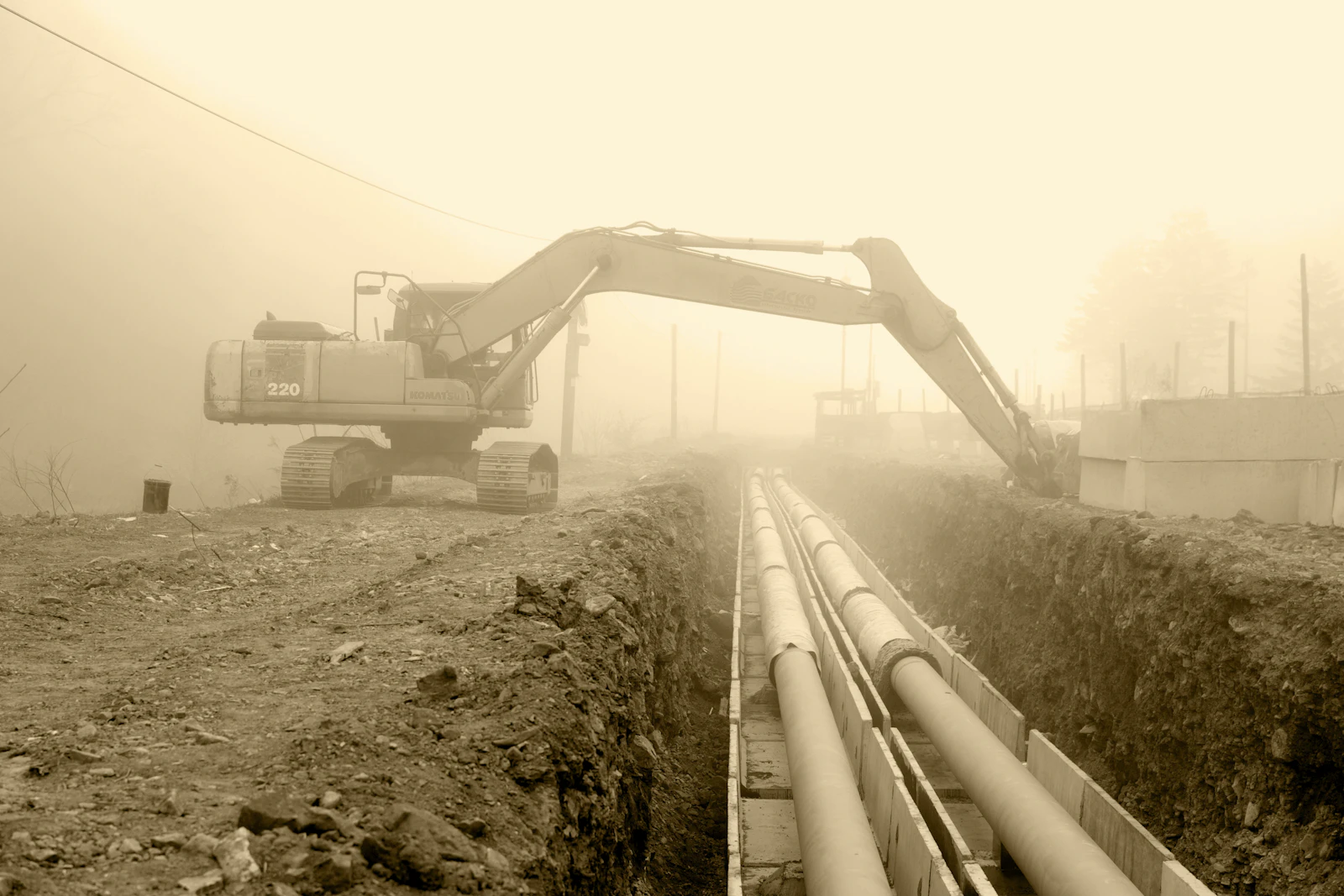
For Atlanta concrete pump pipeline equipment hire in 2026, budget (as planning ranges) $250–$650/day, $900–$2,100/week, and $2,400–$5,400/month for a typical job-ready package that covers roughly 100–200 ft of steel line or hose (plus standard clamps/gaskets) depending on diameter and whether you are hiring “pipeline only” or adding pipeline to a concrete pump hire order. On many metro Atlanta placements, pipeline is priced as an add-on tied to included footage (commonly 100 ft) with incremental per-foot charges beyond the included line. Expect the tightest pricing when pipeline is bundled through regional concrete pumping contractors (and, for accessories, sometimes coordinated through national rental houses) rather than treated as a one-off specialty rental.
| Vendor |
Daily Rate |
Weekly Rate |
Review Score |
Website |
| Brundage-Bone Concrete Pumping (Atlanta) |
$1 950 |
$9 500 |
9 |
Visit |
| Concrete Pump Partners (Atlanta East & West) |
$1 850 |
$9 000 |
10 |
Visit |
| Genesis Concrete Pumping (Atlanta Metro) |
$1 750 |
$8 500 |
8 |
Visit |
| TC Concrete Pumping (Atlanta Metro) |
$1 650 |
$8 000 |
8 |
Visit |
| Ely Concrete Pumping (Cartersville / Atlanta Metro) |
$1 900 |
$9 250 |
10 |
Visit |
Pipeline Rental Atlanta Concrete Pump Hire
In concrete pump hire scopes, “pipeline” typically means rigid steel pump line (commonly 3 in, 4 in, or 5 in), end hoses, reducers, elbows, and the small-but-critical consumables (clamps, gaskets, safety pins, whip-checks). The rental cost you see on a quote often blends (1) pure equipment hire, (2) handling and trucking, and (3) the labor/time risk of moving, building, and maintaining line during the pour. That is why many pump providers price pipeline as included footage plus per-foot overage instead of a clean “daily pipe rental” number.
As a real-world reference point for how pipeline adders show up in pump hire pricing, one 2026 price sheet example shows a base pump price including 100 ft of line and charging $0.50 per additional foot over the included length. Another Georgia-area example shows 200 ft of hose included with per-foot charges after 200 ft that vary by job type (residential vs commercial). (n Use these as structure cues for estimating in Atlanta—not as guaranteed local rates for your specific vendor, site constraints, or pour schedule.
What You Are Actually Hiring With Concrete Pump Pipeline
Estimators get better cost control when the pipeline scope is written like an equipment package (not a vague “line included”). For pipeline equipment hire tied to concrete pump hire, define:
- Diameter: 3 in is not priced like 5 in, and reducers add both cost and clog risk.
- Total developed length: don’t use straight-line distance; count elevation changes, bends, and routing around access restrictions.
- Component mix: e.g., 10 ft steel sections vs. more hose to snake through interior corridors.
- Support/accessories: pipe stands, hangers, slab edge protection, and hose ramps where you cross traffic paths.
- Wear items: clamps and gaskets are small, but losses and damage are a common closeout dispute.
Operationally in metro Atlanta, pipeline costs rise when line has to be built in stages because of traffic staging constraints, limited laydown, or restricted delivery windows (common around I-75/I-85/I-285 corridors and dense in-town sites). Those constraints convert “equipment hire” into “equipment hire plus labor risk,” which vendors often recover through minimums, standby, weekend billing rules, and higher per-foot pricing.
2026 Planning Ranges For Pipeline Equipment Hire in Atlanta
Use the ranges below for 2026 budgeting when you need a clean allowance for pipeline equipment hire costs in Atlanta. Assumptions: job-ready, maintained pipe; standard clamps and gaskets included up to a reasonable count; excludes pump/crew unless noted; excludes concrete, primer, and washout handling unless explicitly added.
- Pipeline package (100–200 ft equivalent): $250–$650/day; $900–$2,100/week; $2,400–$5,400/month.
- Extra pipeline length (over included footage): plan $0.50–$2.50 per ft as an “overage” adder when pipeline is bundled with pump hire (vendor- and risk-dependent). One published example shows $0.50/ft over 100 ft. Other published line-pump rate sheets show $1/ft and $2/ft tiers beyond stated line thresholds, which is consistent with a higher-risk / longer-run pricing model.
- End hose allowance (common 25–50 ft): $35–$95/day depending on diameter and wear expectations (budget higher if you expect heavy dragging on rebar or rough decking).
- Reducers / elbows: $25–$85/day per specialty piece (or quoted as a one-time adder when bundled into pump hire).
Why the wide range? Pipeline equipment hire is sensitive to “soft costs” that aren’t soft at all: how far the vendor must travel, whether the line must be carried through a building, and whether your pour plan creates standby time. Some providers explicitly surcharge fuel (for example, a published line pump rate sheet shows a 7% fuel surcharge) and charge Saturday overtime ($25/hr)—which can functionally increase the effective cost of pipeline on weekend placements.
Cost Drivers That Move Pipeline Hire Costs on Atlanta Jobs
To keep pipeline equipment hire costs predictable, treat these as the main cost drivers (and address them in your RFQ):
- Included footage vs. actual run: many quotes include a base length (commonly 100 ft) and then a per-foot overage.
- Hose-heavy routing: hose can reduce fittings and speed setup, but it increases wear/tear exposure and cleaning risk.
- Vertical placements: building line up scaffolding or structure adds labor, safety controls, and potential rigging adders (budget $250–$650 if rigging or a forklift-offload window is required).
- Downtown access and staging: if you cannot provide a clear laydown zone, expect higher handling, shorter delivery windows, and more standby exposure.
- Red Georgia clay / wet subgrades: muddy retrieval drives cleaning charges and longer load/unload time.
- Pour schedule risk: interrupted placements are where pipeline “overtime” shows up—either as pump standby or as a higher all-in line adder.
Hidden-Fee Breakdown
Pipeline equipment hire costs in Atlanta frequently move at closeout because of pass-throughs and conditional charges. Build these into your estimate and your PO notes:
- Delivery / pick-up: $125–$250 within a typical metro radius; add $4–$6 per loaded mile beyond ~25–35 miles (use your vendor’s yard location to set the break point).
- Minimum rental / minimum invoice: $250–$500 is common when pipeline is treated as a standalone hire (even if the “per-foot” sounds small).
- Damage waiver: 10%–15% of rental (or you provide certificate of insurance naming the lessor). If bundled into pump hire, it may be embedded rather than listed.
- Deposit / hold: $500–$2,000 for pipeline-only hires is a practical planning allowance (especially when specialty reducers and long hose runs are included).
- Cleaning / concrete set-up: $150–$350 if returned with concrete buildup; higher if hardened material requires extra labor.
- Washout / prime-out handling: if the pour plan doesn’t provide compliant washout, vendors may charge jobsite fees; one published rate sheet shows $100 if no washout is provided and $195 for supplied washout/prime-out bags.
- Primer: budget $25–$75 (one published sheet shows a $25 primer fee).
- Weekend billing rules: plan a 2-day minimum if you take delivery Friday afternoon and off-rent Monday (confirm cutoffs; many yards won’t process Saturday off-rents).
- Late return: $75–$200/day equivalent if pipe isn’t staged and ready at pickup; some vendors will bill another day if the truck arrives and cannot be loaded within an agreed window.
- Loss/damage: clamps ($45–$90 each), gaskets ($12–$25 each), safety pins ($8–$15 each), reducers ($150–$350 each), end hose damage ($150–$600 depending on length/diameter).
Example: Atlanta Podium Slab Pour With 280 Ft of Line
Scenario: In-town Atlanta podium slab placement with restricted delivery access (one lane, 30-minute unload window), requiring a longer run to keep the pump truck out of the fire lane. You plan for 280 ft developed length using mostly steel line, plus one 50 ft end hose and two elbows.
- Base pipeline package (assume includes 150 ft): $450/day × 1 day = $450.
- Overage length: 130 ft × $1.25/ft (planning mid) = $162.50. (Published structures range from $0.50/ft to higher tiered rates depending on included footage and thresholds.)
- End hose: $65/day = $65.
- Reducers/elbows: 2 × $45/day = $90.
- Delivery/pickup: $195 (tight access; must schedule a specific window).
- Damage waiver: 12% of rental items (450 + 162.50 + 65 + 90) = $92.10.
- Washout bag allowance: $195 if washout area cannot be provided on the podium.
Estimated pipeline-related hire total (example): $450 + $162.50 + $65 + $90 + $195 + $92.10 + $195 = $1,249.60 (rounded to $1,250) excluding pump, operator, concrete, and any standby/overtime. The operational constraint driving cost here is the access window: if the delivery truck misses the agreed slot (Atlanta traffic), you can trigger another day of billing or standby charges.
How to Write the PO Scope So Pipeline Hire Stays Billable and Controlled
For Atlanta concrete pump pipeline equipment hire, the best protection against scope creep is to convert “line included” into measurable terms:
- State the included footage and the approved per-foot overage rate in the PO (or cap the overage with a not-to-exceed amount).
- Require on-site foreman sign-off for any additional line beyond the plan.
- Define off-rent rules: pickup notice (e.g., 24 hours), cutoff time (e.g., 2:00 p.m.), and what happens if pipe is not staged at grade.
- Clarify return condition: scraped/cleaned, drained, clamps bagged, and photographed.
Atlanta-Specific Operational Notes That Change Pipeline Equipment Hire Costs
Pipeline hire costs for concrete pump work in Atlanta are often driven less by the steel itself and more by site logistics:
- Delivery radius norms: many vendors price competitively inside their normal metro run, then switch to mileage/time when you push into far-suburban counties. Build a mileage allowance if your site is outside the typical yard radius.
- Heat and set-time pressure: Atlanta summer placements can force faster cycling and more aggressive washout planning; when crews rush, clamps/gaskets get lost and cleanup costs rise.
- Dust-control / interior routing: for interior line runs (renovations, podium decks, occupied campuses), plan protection materials and cleanup requirements. If the vendor must supply containment or additional labor to keep corridors clean, that is commonly billed as an adder rather than “free.”
Budget Worksheet
Use this as a field-friendly allowance structure (no tables) for pipeline equipment hire tied to concrete pump hire in Atlanta:
- Pipeline base package (100–200 ft): $250–$650/day allowance (pick a number based on diameter and access risk).
- Extra line over included footage: 100–300 ft × $0.75–$2.00/ft allowance (set a cap; published examples show $0.50/ft structures and higher tiered rates).
- End hose wear allowance: $50–$95/day.
- Reducers / elbows / specialty fittings: $75–$250/day package allowance.
- Delivery & pickup: $150 base + $4–$6/mile beyond radius (or add a $250 “downtown access” allowance).
- Damage waiver: 10%–15% of rental subtotal.
- Deposit / credit hold: $500–$2,000 (cashflow placeholder; not always a cost, but it is a constraint).
- Cleaning fee contingency: $150–$350.
- Washout / prime-out supplies: $100–$195 allowance where washout is uncertain (published examples show both amounts depending on condition and supplies).
- Weekend / after-hours surcharge: $150–$300 if delivery/pickup must occur outside standard yard windows; also plan a 2-day weekend minimum if pickup cannot be processed.
- Loss/damage small parts allowance: $75–$250 per pour (pins, gaskets, clamps) to avoid change-order churn.
Rental Order Checklist
- PO language: include diameter, total developed length, included footage, and per-foot overage rate (or not-to-exceed).
- Delivery window: confirm cutoff time, site contact, and whether the truck needs a call-ahead (Atlanta traffic makes missed windows common).
- Offload method: confirm if pipe arrives on a trailer that requires a forklift; if the site must provide one, state it (or price vendor handling).
- Access plan: confirm laydown area, route to placement, and any interior protection requirements.
- Washout plan: identify washout location and disposal responsibility; if not available, pre-approve washout bag charges and disposal.
- Damage waiver / insurance: decide waiver vs COI; confirm who is liable for theft when staged overnight.
- Return condition: scraped clean, drained, clamps/pins counted, and photo-documented at pickup.
- Off-rent notice: set required notice (often 24 hours) and confirm weekend/holiday billing rules in writing.
Estimating Notes: When Pipeline Is Bundled Into Concrete Pump Hire
If you are buying concrete pump hire (operator included) and pipeline is “included,” don’t assume it is unlimited. Published pricing examples show base packages that include a stated amount of line/hose and then charge per-foot after that threshold. In practice, the pipeline cost you control is the overage created by your site plan. Two quick controls that reliably reduce equipment hire costs:
- Shorten the developed length by moving the pump truck closer (when possible) and keeping the discharge point aligned to reduce elbows.
- Reduce interruptions that create standby time. Rate sheets commonly show explicit hourly minimums, overtime, fuel surcharges, and cancellation fees—these mechanics are where a “simple line run” becomes expensive.
Closeout Documentation That Prevents Line-Item Disputes
- Take photos of the full line layout before pour start (shows developed length and components in use).
- Log added sections as they are installed (who authorized, time, and reason).
- Photo the returned pipe condition and count clamps/pins/gaskets at pickup.
- Document washout compliance (location, method, and disposal ticket if applicable).