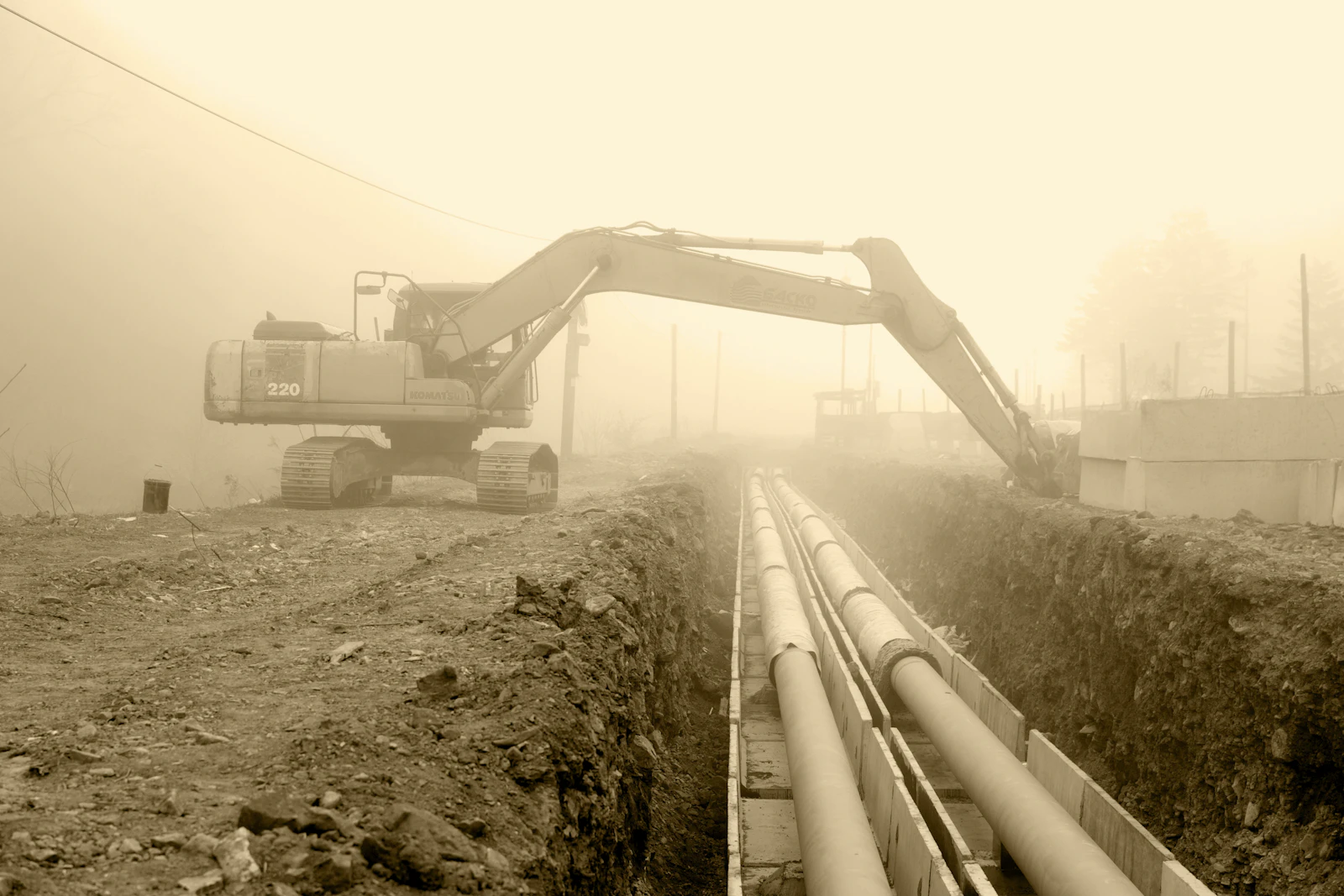
Pipeline Rental Rates Jacksonville 2026
For 2026 planning in Jacksonville, FL, concrete pump pipeline equipment hire (steel slickline/placing pipe, clamps, reducers, and end hose) is most often budgeted as a line package tied to concrete pump hire—either bundled into a pumping dispatch rate or itemized as “included length + overage.” As an estimator’s budget range (not an exact vendor quote), plan $250–$650/day, $900–$2,100/week, or $2,400–$5,500/month for a typical pipeline package supporting a line pump or small boom (commonly ~100–150 LF of line plus one end hose and standard clamps). If you’re hiring pipeline by the piece, a common budgeting approach is $20–$60/day per 10 ft steel pipe section, $70–$180/week, and $200–$450/month, with rubber end hose typically $25–$90/day depending on length/pressure rating. Jacksonville-area pump fleets and national rental houses with concrete divisions may quote these as part of the pump order; specialty concrete pumping contractors frequently drive the terms for included hose length, extra line, and standby.
| Vendor |
Daily Rate |
Weekly Rate |
Review Score |
Website |
| Pittman Concrete (A.A. Pittman & Sons) — Concrete Pumping |
$2 050 |
$8 000 |
8 |
Visit |
| Reed Concrete Pumping LLC (RCP) — Jacksonville |
$1 100 |
$4 200 |
9 |
Visit |
| Baker Concrete Pumping, Inc. (Florida statewide) |
$1 850 |
$7 200 |
10 |
Visit |
| Brundage-Bone Concrete Pumping (Florida dispatch) |
$2 150 |
$8 500 |
8 |
Visit |
| Jim’s Concrete (Jacksonville) — Concrete Boom Pump Rentals |
$1 900 |
$7 500 |
10 |
Visit |
How Concrete Pump Pipeline Hire Is Quoted In Jacksonville
Pipeline is rarely priced like a generic “tool rental.” In concrete pump hire, the invoice is usually driven by: (1) the pump class and minimums, and (2) how much pipeline/hosing the pour requires (horizontal distance, vertical rise, and routing constraints). Many operators include a baseline hose length and then charge an overage per foot. For example, published pumping price sheets commonly show extra hose over 150 ft billed at $1.50/ft and a 3-hour minimum charge, which is a useful budgeting proxy when a Jacksonville provider itemizes line/hose separately.
Another common structure is “included hose + add-on after a threshold,” such as 200 ft of hose included and then $1.00 per additional foot beyond that included length. (n These are service-oriented examples, but they matter to pipeline equipment hire because they reveal how the market monetizes line length: your total cost is often dominated by how much line you need staged and how long it sits on site (setup/standby), not just the nominal day rate.
When pipeline is itemized as “layline,” additional pipe sections may be priced per stick (useful when your route includes switchbacks, stairwells, or long runs to the point of placement). One published example shows $20 per additional 10 ft section for lay-lines (again, service-context, but a strong planning anchor for pipe adders). In practice, Jacksonville quotes for additional pipeline can come through as one of the following line items:
- Included line allowance (e.g., 100–150 LF) + overage per foot (common for hose-heavy setups)
- Per-stick adders (common for steel placing pipe where each 10 ft stick is tracked)
- Job package adders (e.g., “garage package,” “high-rise package,” “mat slab package”) where pipeline, clamps, reducers, and end hose are treated as one kit
What Drives Pipeline Equipment Hire Costs In Jacksonville?
Diameter and pressure class. A 5 in. system is common for many line pump/boom applications, but diameter changes clamp/reducer requirements and can change both wear risk and handling time. Higher-pressure rated pipe/hose typically carries higher replacement value and tighter inspection requirements, which can raise deposits, damage waiver, and “missing parts” exposure.
Run length and routing constraints. A clean 120 ft straight shot at grade is cheaper than 120 ft that must be protected through finished interiors, lifted to a mezzanine, or routed around live traffic. The more re-handles, the more labor and the more risk of bent pipe ends, damaged couplings, or lost gaskets—costs that show up as cleaning/repair charges at closeout.
Pour duration and standby exposure. Pipeline is a “clock multiplier.” If you set line early and the pour drifts, you can get billed standby while the line remains staged, primed, and controlled. Published pump billing guidance emphasizes that standby is typically billed as its own line item when a pump is on site waiting on delays (late trucks, access holds, weather). (p For Jacksonville, standby risk is very real due to (a) summer lightning stops, and (b) bridge/arterial congestion impacting ready-mix arrival windows.
Concrete mix abrasiveness and cleanup constraints. Higher abrasion mixes and long-distance pumping increase wear risk on pipe elbows, reducers, and end hose. If your site cannot support a compliant washout/containment plan, many providers apply a washout fee; published ranges commonly show $250–$450 washout-related charges depending on equipment class and site constraints. Even if you’re “just renting pipeline,” the same washout reality applies: the line must be cleaned and documented before return, or the vendor will do it and bill you.
Delivery, Pickup, And Off-Rent Rules That Change Real Cost
Jacksonville pipeline equipment hire frequently includes logistics terms that impact the final invoice more than the advertised day rate. Budget for these common cost behaviors (confirm on your quote):
- Delivery/pickup: $125–$275 each way for local moves (typical planning range), plus mileage when you’re outside the vendor’s standard radius (often billed at $4–$8 per mile beyond the included zone).
- Minimum dispatch: 1-day minimum on pipeline kits even if the pour is 2–4 hours, because the line must be staged, cleaned, and inspected.
- Cutoff times: same-day “will call” pickup may cut off at 2:00–4:00 PM; after-hours staging can trigger a $150–$250 after-hours handling charge.
- Weekend billing: Friday afternoon deliveries can bill through Monday unless you negotiate a Saturday off-rent return window; plan a 10%–25% weekend premium if the vendor must staff the yard for a special return.
- Off-rent clock: off-rent often stops only after return, count, and inspection—so require a return receipt that notes pipe stick count, clamp count, and visible damage.
Hidden-Fee Breakdown
Use the following as a 2026 budgeting checklist for pipeline equipment hire costs tied to concrete pump hire (these items commonly appear on invoices even when the initial quote looked “all-in”):
- Extra hose over included length: $1.00–$1.50 per foot beyond included allowance is commonly published in pumping rate sheets. (n
- Extra pipe/layline adders: $20–$60 per additional 10 ft section depending on system and wear exposure (published examples show $20/section).
- Setup / first-hour minimum: published examples show a setup including first hour and included hose (e.g., $325 setup including 1st hour and 200 ft of hose).
- Hourly pumping/standby: published examples show hourly charges (e.g., $125/hr) after minimums; standby may be billed similarly when line is staged and waiting.
- Cancellation / show-up: published terms can apply a show-up charge if you cancel inside a short window (e.g., 2 hours notice).
- Washout/containment fee: $150–$450 when washout is not available/allowed on site (budget depends on access and containment requirements).
- Cleaning fee (pipeline return condition): $75–$250 if returned with hardened material, grout rings, or mud contamination (avoid by enforcing end-cap discipline and immediate post-pour flush).
- Missing parts: clamps ($35–$90 each), gaskets ($3–$8 each), whip checks ($20–$45 each), end caps/plugs ($10–$25 each).
- Damage waiver: commonly 10%–17% of the rental subtotal for “standard coverage” (verify what’s excluded—wear parts and misuse are often excluded).
- Deposit / credit hold: $500–$2,500 for line-only hires, especially when pipeline is released without the vendor’s operator controlling use.
- Repair exposure (bent ends / cracked welds): budget $150–$400 per pipe section for repair/recertification events when damage is discovered at yard inspection.
- Replacement value: replacement cost for a single 10 ft steel placing pipe can be material (for reference, published retail pricing for a 5 in. x 10 ft steel pipe is around $999, which is why vendors care about deposits and inspection).
Budget Worksheet
Use these line items as a practical estimator/rental coordinator worksheet (adjust quantities for your run length and site constraints):
- Pipeline package hire: $250–$650/day allowance (includes ~100–150 LF line, clamps, 1 end hose).
- Additional steel pipe: 8 sticks x $25–$55/day (example allowance for +80 ft).
- Additional hose over included: 60 ft x $1.00–$1.50/ft (only if the vendor bills hose overage per foot).
- Reducers / elbows: $15–$45/day each (allow 2–6 pieces for route changes).
- Delivery + pickup: $250–$550 total (local), plus mileage allowance beyond standard radius.
- Standby contingency: 1–2 hours x $125–$200/hr (batch gaps, lightning stops, access holds).
- Washout/containment: $0 if site provides compliant washout; otherwise $150–$450 allowance.
- Cleaning/return condition: $100–$250 allowance (only if you cannot guarantee immediate flush and capped return).
- Damage waiver: 10%–17% of equipment subtotal (confirm your policy requirement vs waiver).
- Consumables you may be required to supply: grout/primer, sponge balls, blowout cap, water source/hose, and containment bags (budget $50–$200 per pour depending on protocol).
Rental Order Checklist
- PO scope: specify pipe diameter (e.g., 5 in.), pressure class, total LF required, and whether elbows/reducers are included.
- Included length confirmation: written confirmation of included hose/pipe LF and the overage method ($/ft vs $/stick).
- Delivery window: requested arrival time, site access gate, contact number, and unload method (forklift on site vs driver-assisted).
- Site constraints: finished surfaces protection plan, indoor dust/slurry control, and washout/containment location.
- Documentation: require a pick ticket listing stick count, clamp count, gasket count; take photos at delivery and at return.
- Off-rent procedure: return cutoff time, weekend rules, and how off-rent is timestamped (arrival to yard vs inspected/checked-in).
- Insurance/waiver: COI requirements, waiver %, and exclusions (wear, misuse, theft).
- Return condition: “cleaned, drained, capped” standard; clarify what triggers cleaning fees.
Example: Parking Garage Deck Pour With 220 Feet Of Pipeline
Scenario: Jacksonville CBD garage deck placement with restricted delivery window (6:00–10:00 AM), 220 LF total run including two 90-degree turns, and a request to keep all slurry contained (no on-grade washout). The GC hires concrete pump + pipeline package, but pipeline overage is itemized.
- Base pipeline package (assume 150 LF included): $450/day (planning allowance).
- Additional steel pipe: +70 LF (~7 sticks) at $30/day each = $210/day allowance.
- Extra hose (if needed for final reach): 25 LF at $1.00–$1.50/ft = $25–$38. (n
- Delivery + pickup: $175 each way = $350 allowance (tight downtown windows can increase this if after-hours is required).
- Standby contingency: 1 hour at $125–$200/hr if trucks stack at the ramp or lightning pauses the pour.
- Containment/washout fee: $250 allowance if you cannot provide a designated washout location.
- Closeout exposure: $75–$250 cleaning fee if returned with hardened grout rings (avoid by immediate flush and end-cap discipline).
Operational takeaway: in this scenario, the pipeline “daily rate” is not the whole story—the cost swing is driven by (a) additional run length, (b) downtown logistics windows, and (c) containment/cleanup requirements.
Risk And Compliance Notes That Affect Pipeline Rental Pricing
Pipeline equipment hire costs are heavily influenced by how the vendor assigns risk. If the pipeline is released as part of concrete pump hire with the vendor’s operator in control, the vendor can manage whip risk, coupling discipline, and cleaning protocol. If you request line-only or “pipeline-only” hire (less common), expect tighter conditions: higher deposits/holds, stricter inspection language, and more aggressive missing/damage chargebacks.
Plan for these compliance-driven cost drivers:
- Pressure/condition checks: vendors may refuse pipe with questionable ends or require replacement of gaskets; if the yard must rework pipe ends, you can see $150–$400 per affected stick in repair exposure (planning allowance).
- Hose whip checks and safety gear: missing whip checks, safety pins, or end caps are small-dollar items individually ($10–$45 each), but they add up quickly on closeout when a kit is short.
- Indoor placements: Jacksonville warehouse/industrial pours often require slurry containment and cleanup protocols; if you cannot wash out on grade, budget $150–$450 for vendor-provided containment/washout handling.
Reducing Pipeline Equipment Hire Cost Without Increasing Pour Risk
Cost control on pipeline hire is mostly about reducing re-handles and reducing time on site, while keeping safety and quality intact:
- Right-size the route before you order: walk the route and measure real LF (including verticals) so you don’t pay for an extra 30–60 LF “just in case.”
- Control overage method: if the vendor bills hose overage at $1.00–$1.50/ft, confirm the included hose length in writing and avoid “surprise hose” at setup. (n
- Use per-stick discipline: when additional laylines are billed per 10 ft section, track sticks at the pour so you can reconcile the pick ticket and avoid being billed for sticks that never left the truck.
- Prevent cleaning fees: require end caps immediately after disassembly, and assign one person to verify “cleaned, drained, capped” before loading for return. A $100 cleaning fee is common; repeated issues trigger bigger closeout bills.
- Compress the standby window: schedule pump arrival to the first truck, not the first finishing crew. Standby is routinely billed as its own category in pump billing, and it’s where budgets slip. (p
When Monthly Pipeline Equipment Hire Beats Day/Week
If you have repeating pours (tilt-wall panels, multi-bay slabs, or phased deck placements), monthly pipeline equipment hire can be cheaper even when the pipeline is only “actively used” a few days per month. As a rule of thumb for 2026 planning, monthly begins to win when you have 10+ rental days per month or when logistics make frequent delivery/pickup expensive (downtown access limits, limited laydown, restricted return windows). Use your own vendor’s day/week/month ratio to confirm the break-even.
Jacksonville-Specific Planning Assumptions For 2026
Local conditions that commonly shift pipeline hire cost in Jacksonville (and should be discussed at the time of quote):
- Coastal humidity and salt air: faster corrosion on clamps/couplings if gear is staged near the coast; vendors may be stricter on “clean and dry” return condition and may bill for seized clamps or damaged threads.
- Summer storms and lightning stops: carry a standby allowance (1–2 hours) so a weather pause doesn’t blow your equipment hire budget; standby is commonly billed distinctly when a pump is waiting on delays. (p
- Downtown/bridge access: long travel times across the river or congested corridors make narrow delivery windows more expensive; after-hours staging can add $150–$250 in handling depending on vendor policy (planning allowance).
Quote Request Template (Copy/Paste)
Send this to dispatch/rental coordination to get a comparable pipeline hire quote (and reduce change orders):
- Project location (Jacksonville, include gate instructions) and requested delivery date/time window.
- Total required line length (LF), including verticals; note any turns and whether elbows/reducers are needed.
- Pipe/hose size and compatibility requirements (pump model if known; end hose length required).
- Included line/hose allowance requested (e.g., 150 LF included) and how overage is billed ($/ft hose vs $/stick pipe).
- Return plan: same-day return vs next-day; confirm cutoff times and weekend billing rules.
- Washout plan: on-site washout available (yes/no) and containment requirements (indoor/outdoor).
- Insurance: COI requirements, waiver %, deposit/hold amount, and theft/damage terms.
If you want, share your expected LF, pipe diameter (4 in./5 in.), and whether it’s indoor or outdoor placement; I can tighten the 2026 pipeline equipment hire budget range (still non-vendor-specific) into a more job-shaped allowance for Jacksonville.