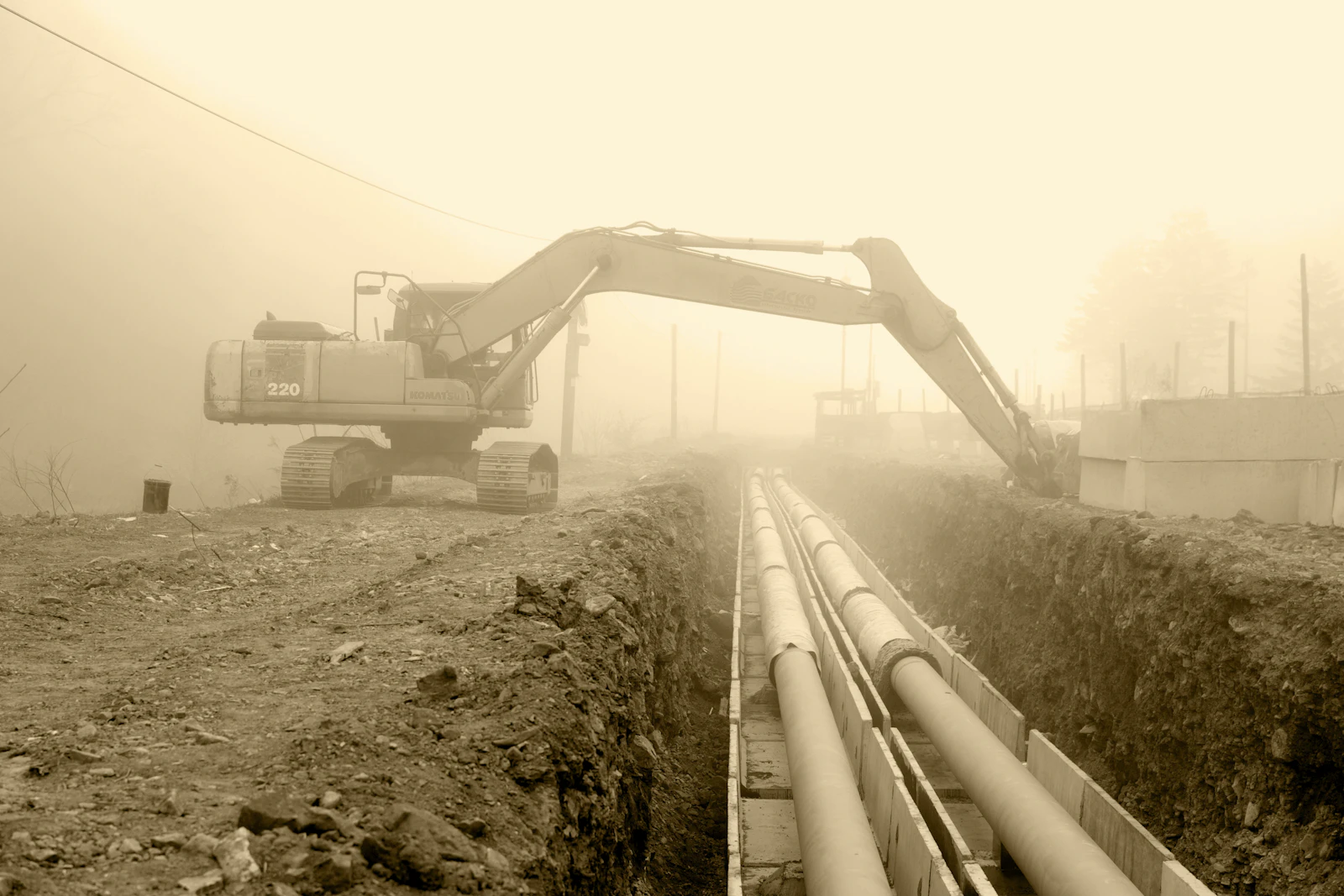
Pipeline Concrete Pump Hire Costs San Francisco 2026
For 2026 planning in San Francisco, “pipeline” (slickline/steel line + rubber hose + clamps/elbows/reducers used to place concrete from a pump) is typically hired as an add-on to concrete pump hire rather than as a standalone rental. Budget the pipeline portion in two layers: (1) a package allowance (daily/weekly/monthly) when a supplier will dry-hire line sets, and (2) per-foot/per-section adders on a pump ticket when the pump contractor supplies the line. As a practical 2026 planning range, a small placing-pipeline package (often 2.5–3 in. hose/line set suitable for line-pump work) commonly budgets at $250–$650/day, $850–$1,900/week, and $2,400–$4,800/month (USD), assuming standard wear-and-tear and normal return condition. In the Bay Area market, pipeline is most often furnished by the pumping contractor (e.g., larger fleets serving Northern California such as Conco and national pumpers such as Brundage-Bone, plus local independents), so the controlling cost is usually the written rate structure for “included line” vs “extra line” and the job’s access/turn-time rather than the nominal day rate.
| Vendor |
Daily Rate |
Weekly Rate |
Review Score |
Website |
| Brundage-Bone Concrete Pumping |
$1 600 |
$7 200 |
10 |
Visit |
| Mudslinger Concrete Pumping |
$1 500 |
$6 750 |
9 |
Visit |
| Precision Concrete Pumping |
$1 250 |
$5 600 |
9 |
Visit |
| Pete's Concrete Pumping |
$1 200 |
$5 400 |
10 |
Visit |
How Pipeline Is Actually Priced With Concrete Pump Hire
Most San Francisco-area concrete pump dispatches include a baseline amount of pipeline/hose and then charge incremental footage above that inclusion. Published examples in the U.S. market illustrate the structure you’ll see on many tickets: one contractor posts a base service that includes 100 ft of line and then charges $0.50 per additional foot beyond the included length; it also shows the base bundled with a small included yardage, which is a reminder that pipeline cost is often inseparable from the pump’s minimum charge. Another posted rate sheet (different region) shows $1.00/ft for additional pump line beyond an included hose system. A third published example shows a higher “connected line” adder of $2.00/ft, which is consistent with what you may see when additional labor, heavier pipe, extra elbows, or difficult handling is implied.
San Francisco budgeting implication: treat “pipeline hire costs” as a unit-price exposure driven by total routed footage, diameter/pressure class, and the number of fittings (elbows/reducers) that increase labor and risk. If the pump is portal-to-portal and the crew is dragging line through a side-yard, up stairs, or around a tight core, that labor time is frequently a larger cost driver than the pipe’s wear value.
Pipeline Configuration Basics That Move Hire Cost
Pipeline for concrete placement is not “just pipe.” Your price exposure changes with configuration and accessories—especially in dense San Francisco work where line handling is slow and staging is limited.
- Diameter: 2.5 in. line/hose is common for tight-access line pumping; 3–5 in. slickline systems are typical when moving higher volumes or longer pushes. Larger diameter generally means heavier sections and higher handling time, often increasing both labor and damage exposure.
- Section count: A 200–300 ft run can mean 20–30 sections of 10-ft pipe plus hose, elbows, reducers, and clamps. More sections = more coupling points = higher leak risk and longer setup/washdown time.
- Fittings: Each 90° elbow or reducer can add rigging/handling time and is a high-loss item if struck or plugged. For estimating, treat elbows/reducers as cost multipliers even if the nominal per-foot rate looks low.
- End hose and whip hose: If the crew needs an additional 10–25 ft of end hose (or specialty reducer/whip) to place into forms safely, you’ll often see a separate hose charge or a higher per-foot adder.
- Safety items and consumables: plan for line lube/primer and blowout equipment on longer lines.
San Francisco-Specific Cost Drivers for Pipeline Equipment Hire
San Francisco is a “small radius, high friction” market: travel miles can be short, but minutes are expensive.
- Delivery windows and street access: Many sites effectively require early deliveries. If your supplier has a 7:00 a.m. yard departure target and you miss the receiving window, you can end up paying standby or redelivery.
- Parking control and staging: On tight streets, you may need a spotter, flagger, or a reserved staging area. Even when not mandated, budgeting $250–$650 as an administrative/staging allowance for signage, escorting, and coordination is common on constrained pours.
- Vertical work and elevators: In podium/high-rise work, moving pipe sections through a building can force smaller section sizes or additional labor. A “cheap” per-foot line charge becomes expensive if you need 2 additional laborers for 4 hours just to stage and retrieve line.
- Dust-control/cleanliness expectations: Indoors or near finished surfaces, the risk of concrete splatter and washdown is higher; you should assume added protection and stricter return-condition documentation (photos, caps, containment).
Hidden-Fee Breakdown (Where Pipeline Hire Gets Expensive Fast)
To keep pipeline equipment hire costs predictable, model the common adders explicitly—these are the items that typically move a line item by hundreds of dollars on San Francisco dispatches.
- Minimum charge mechanics: even if your pipeline is priced per foot, it’s usually attached to a pump ticket with a 3–5 hour minimum; if the pour slips, you still pay the minimum.
- Delivery / pickup: plan a $175–$450 local delivery/pickup allowance for a small line set, or $6–$10 per mile when mileage is itemized (plus bridge/toll reimbursements if applicable).
- After-hours and weekend work: budget a 10%–25% premium for weekends/holidays when offered, or an overtime labor billing trigger after 8 hours on site (commonly 1.5× base labor) and 2× after 12 hours on some agreements.
- Standby / waiting time: a realistic allowance is $150–$300 per hour for crew/equipment standby when concrete is delayed, access is blocked, or inspection hold-points aren’t cleared.
- Line lubrication / primer: include $25–$85 per dispatch for line lube/primer materials and handling on small to mid lines; longer slickline runs can push higher depending on procedure.
- Blowout ball / sponge pig: allow $15–$40 each (and assume it will be consumed or lost on some jobs).
- Washout handling: if a washout box is required, budget $85–$225/day for the box plus $125–$450 for haul/disposal if the vendor provides it; if you self-perform, include labor and compliance costs.
- Cleaning fees: if returned with concrete residue, budget $75–$250 per affected component for cleaning, and $250–$900 for hardened concrete remediation on a small set (this is one of the most common “surprise” adders).
- Damage waiver / loss waiver: when offered, damage waiver commonly budgets at 10%–18% of the rental/line charges; if you decline, expect higher deposit or strict replacement billing.
- Deposit / hold: for standalone pipeline hire, plan a $500–$2,500 deposit/credit hold depending on footage and pipe class.
- Missing small parts: gaskets at $8–$15 each and clamps at $25–$45 each add up quickly when you’re returning line in the dark.
What to Ask for in the Quote (So Your “Pipeline Hire” Number Matches Field Reality)
When rental coordinators get burned on pipeline equipment hire costs, it’s usually because “line included” wasn’t defined. Align the quote to your placing plan:
- Define included footage: ask: “How many feet of hose/pipe are included in the minimum?” (e.g., 100 ft included is a published example).
- Define the unit adder: confirm whether extra line is billed as $0.50/ft, $1.00/ft, $2.00/ft, or “per 10-ft section” and whether fittings are charged separately (published examples show $0.50/ft, $1.00/ft, and $2.00/ft structures).
- Clarify measurement method: is footage billed as routed length (actual path) vs straight-line distance? In San Francisco, routed length is the only realistic basis because you rarely get a clean shot.
- Confirm what “portal-to-portal” includes: does line handling time count as pumping time, setup, or standby? This impacts whether extra labor shows up as an hourly line item vs buried in minimum hours.
- Return condition standard: require the written definition of “clean and capped,” the cut-off time for same-day returns, and whether weekends bill through Monday if the yard is closed.
Example: Tight-Access San Francisco Pour With Long Routed Pipeline
Scenario: Interior slab pour in a San Francisco neighborhood with a narrow side-yard route. You need a total routed run of 250 ft from truck staging to placement point. The pump contractor includes 100 ft of line/hose in the minimum (published inclusion examples exist). You therefore need 150 ft of additional pipeline.
Planning build (pipeline-related only, excluding concrete and base pump minimum):
- Additional line footage: 150 ft × $1.00–$2.00/ft = $150–$300 (range reflects published examples of $1/ft and $2/ft structures).
- Two extra elbows for routing around a foundation corner: $60–$180 each installed allowance ($120–$360 total) depending on supplier practice and whether it’s billed as accessory vs included.
- Line lube/primer and blowout consumables: $45–$125.
- Indoor protection/containment (poly, tape, drip trays, cleanup labor allowance): $250–$900 depending on finish sensitivity and access.
- Standby risk allowance (inspection/door clearance delays): 1 hour × $150–$300/hr = $150–$300.
Pipeline-driven swing on the ticket: even on a relatively small pour, your line-related cost volatility can easily be $700–$2,000+ if access is poor, the line must snake through a building, or return cleaning is noncompliant.
Market Context (Why 2026 Pipeline Hire Still Feels “High”)
On larger projects, concrete pumping providers emphasize operator qualification and fleet scale, and that capability is part of what you’re paying for when the contractor furnishes pipeline as part of the pumping service. For example, Conco highlights ACPA-certified pump operators in its pumping service offering, and Brundage-Bone describes itself as the largest concrete pumping and material placement service in the U.S.—both signals that labor, safety, and fleet logistics are embedded in the “pipeline + pump” cost structure rather than being a simple pipe rental.
How to Build a 2026 Pipeline Equipment Hire Budget Without Underestimating
For San Francisco estimates, treat pipeline equipment hire costs as a controllable scope item: define the path, define the fittings, define the return condition, and then add time-risk. If you simply carry “extra line” as a placeholder, field reality (blocked access, slow truck cycles, or indoor protection) tends to convert into standby, overtime, and cleaning charges.
Cost Drivers You Can Control (And the Ones You Can’t)
Control levers (operational):
- Sequence and truck spacing: if the pump crew waits on trucks, standby can run $150–$300/hr, and the crew will still need time to clean down the line at the end of the shift.
- Access readiness: have gates open, corridors protected, and elevator/hoist time reserved. Eliminating even 30 minutes of searching/staging can avoid a billable standby increment.
- Pre-stage pipeline: if dry-hiring a line set, staging the night before can reduce morning congestion, but confirm whether pre-staging triggers a second “rental day” or a minimum 24-hour charge window.
Hard-to-control levers (commercial terms / site friction):
- Off-rent rules: many suppliers require off-rent notification by a set time (often around 12:00–2:00 p.m.) for next-day pickup; miss it and you may eat another day.
- Weekend billing: if yards are closed Saturday/Sunday, returns on Friday afternoon may still bill through Monday morning unless the agreement provides weekend off-rent procedures.
- Return condition verification: if you cannot document “clean and capped,” you’re exposed to cleaning fees like $75–$250 per component and hardened concrete remediation of $250–$900 on small sets.
San Francisco Pipeline Hire: Localized Allowances That Often Belong in the Estimate
To avoid change orders and disputes, carry explicit Bay Area allowances tied to how San Francisco jobs actually run:
- Delivery radius norms: even though distances are short, plan a higher “urban delivery friction” allowance of $175–$450 for pipeline sets due to double-parking constraints, limited curb space, and building receiving processes.
- Heat/wind microclimates: coastal wind can increase the need for end-hose control and additional crew time when placing near open edges; build a 0.5–1.0 hour labor contingency for complicated placements.
- Elevation/grade: steep grades and tight driveways can force shorter carry distances, extra staging points, or additional fittings—carry at least $120–$360 for unexpected elbows/reducers on “unknown path” renovations.
Budget Worksheet (Pipeline Equipment Hire Costs Only)
Use this as a takeoff-to-PO worksheet for concrete placing pipeline hire pricing in San Francisco. Adjust the quantities to match routed length and fittings.
- Base pipeline package (if dry-hired): $250–$650/day, $850–$1,900/week, $2,400–$4,800/month (choose one based on duration).
- Extra footage allowance (if billed per foot): ___ ft × $0.50–$2.00/ft (published examples show $0.50/ft, $1.00/ft, and $2.00/ft structures).
- Fittings allowance: elbows/reducers/couplers: $200–$900 (job dependent).
- Delivery / pickup allowance: $175–$450 (urban) or $6–$10/mile + toll reimbursements (if itemized).
- Standby contingency: 1–2 hours × $150–$300/hr = $150–$600.
- Weekend/after-hours premium: 10%–25% of applicable line and labor charges (if scheduled).
- Washout / containment: washout box $85–$225/day + haul/disposal $125–$450 (if provided).
- Cleaning contingency: $250–$900 (covers “not perfectly clean” returns and one-off hardened spots).
- Damage waiver (optional): 10%–18% of rental/line charges (if elected).
- Deposit / credit hold: $500–$2,500 (if standalone pipeline hire is permitted by supplier).
- Missing parts allowance: gaskets (10–20 ea × $8–$15) + clamps (5–10 ea × $25–$45) = $205–$750 potential exposure if controls are weak.
Rental Order Checklist (What Your PO and Field Package Should Require)
- PO scope language: specify “concrete placing pipeline (slickline/steel line + hose) hire” and include the routed length assumption (e.g., 250 ft routed), diameter, and any specialty hose/whip needs.
- Rate confirmation: written confirmation of included footage (e.g., 100 ft included in a published example) and the adder beyond included footage.
- Billable time definition: clarify whether setup, line move, washdown, and retrieval are billed as standby or part of minimum hours.
- Delivery instructions: delivery window, receiving contact, curb management plan, and a “no access = standby” acknowledgement.
- Protection and cleanliness plan: indoor protection scope (poly, drip trays), washout location, and who supplies containment.
- Off-rent procedure: off-rent cut-off time (get it in writing) and weekend policy.
- Return condition documentation: require time-stamped photos of cleaned/capped line, plus a parts count (sections, clamps, gaskets, elbows).
- Loss/damage process: confirm replacement billing basis and whether damage waiver applies to fittings and hoses.
Practical Notes for Procurement (Avoiding Disputes)
If your contract allows it, require the supplier to provide a simple “line count” at drop-off and pick-up (number of sections, elbows, reducers, clamps, gaskets). This is the fastest way to avoid a surprise backcharge for missing small parts. Also, be realistic about San Francisco return logistics: if the yard closes at 4:30 p.m. and you finish placing at 4:00 p.m., same-day returns may be infeasible—budget an extra day or negotiate an after-hours return rule upfront.
When Standalone Pipeline Hire Makes Sense (And When It Doesn’t)
Standalone pipeline equipment hire can pencil out when you have repeated pours in the same configuration (e.g., multiple small placements over 2–4 weeks) and the supplier will allow you to keep the line on rent. It usually does not pencil out when your access path changes every pour (typical in SF renovations) because you’ll still pay for reconfiguration labor, protection, and end-of-shift cleanup—often the true drivers of cost.
If you need a defensible 2026 number for a bid, the safest approach is to (1) take off routed footage and fittings, (2) carry a per-foot exposure using the published range benchmarks, and (3) add explicit allowances for standby, delivery friction, washout, and cleaning. That produces a pipeline equipment hire budget that matches how concrete pump hire is actually billed in the field.