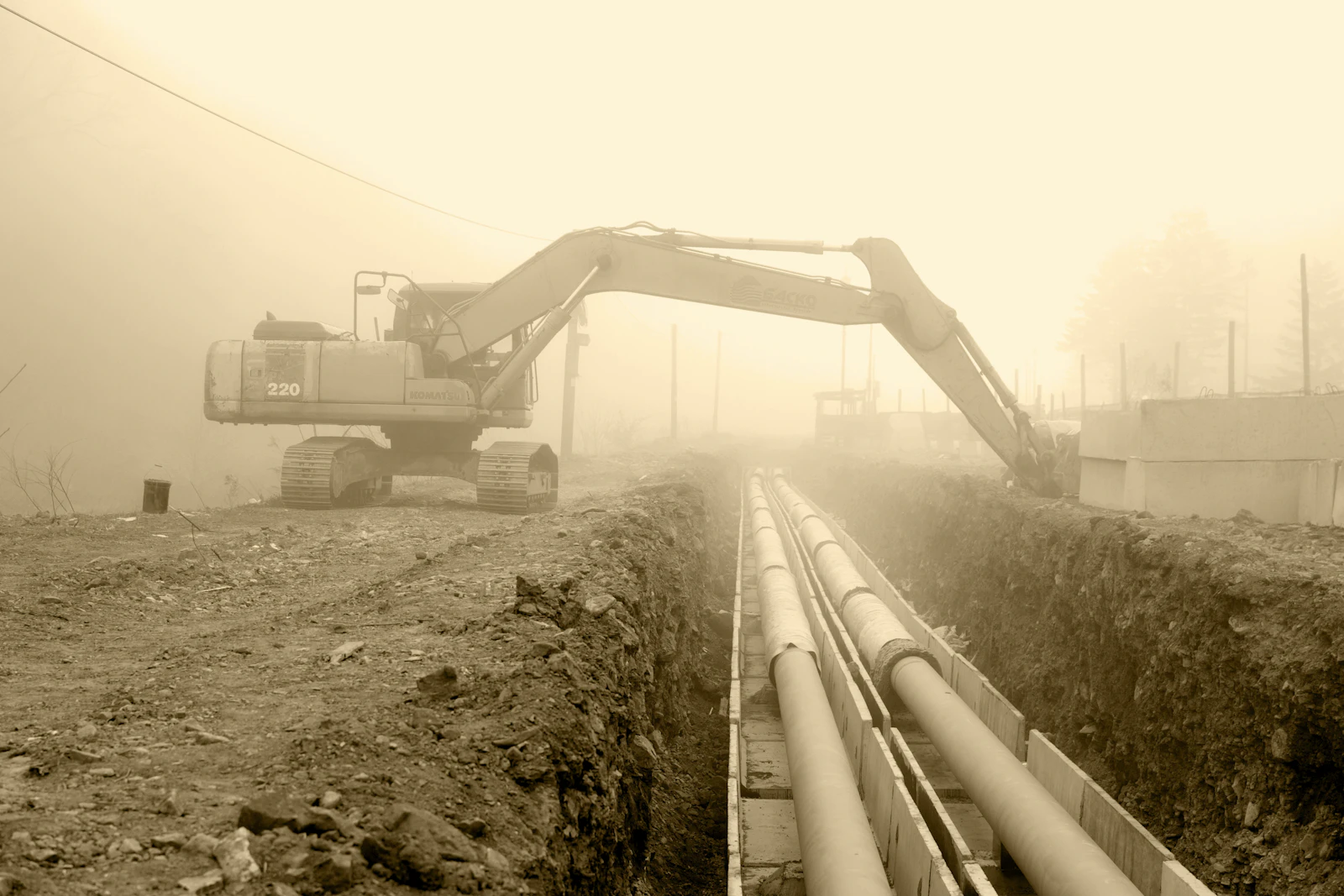
For pipeline equipment hire supporting concrete pump hire in Seattle (i.e., steel line/pipe, elbows, reducers, clamps, and rubber end-hose sections), 2026 planning budgets typically land in the $180–$420/day, $540–$1,150/week, and $1,600–$3,200/month range for a workable “starter set” (often ~100–150 LF equivalent) when a supplier will do pipeline-only hire. Where pipeline is bundled into a pumping service, the more practical budget lever is the included line length and the per-foot extra line adder; advertised regional examples show structures like base packages including ~150 LF and charging $2/ft extra, plus cleaning/off-site cleanout fees. In Seattle, national rental houses and specialized concrete pumping contractors both touch this scope, but the contract terms (damage responsibility, cleaning expectations, off-rent cutoff, and access constraints) will drive your all-in equipment hire cost more than the headline rate.
| Vendor |
Daily Rate |
Weekly Rate |
Review Score |
Website |
| Brundage-Bone Concrete Pumping (Seattle/Kent, WA) |
$1 100 |
$6 000 |
8 |
Visit |
| Ralph's Concrete Pumping (Seattle, WA) |
$1 200 |
$6 200 |
8 |
Visit |
| United Rentals (Seattle, WA — Branch N65) |
$1 000 |
$6 600 |
9 |
Visit |
| Sunbelt Rentals (Seattle, WA — Branch 1143) |
$1 100 |
$6 600 |
9 |
Visit |
| Pacific Rim Equipment Rental (Seattle, WA) |
$92 |
$320 |
9 |
Visit |
Pipeline Rental Rates Seattle 2026
Assumptions for these 2026 planning ranges: pipeline is hired as equipment (not a full pumping service), billed in standard rental increments (day/week/4-week), with normal wear-and-tear excluded, and the set is returned cleaned, drained, and palletized. If you’re hiring through a concrete pumping provider, treat the same numbers as line-item allowances that often appear as “extra line,” “extra hose,” “pipe package,” or “accessories.”
Common Seattle-area planning ranges (pipeline equipment hire only):
- Starter pipeline package (100–150 LF equivalent): $180–$420/day; $540–$1,150/week; $1,600–$3,200/4-week.
- Additional rubber hose section (50 ft): $30–$85/day; $90–$220/week; $260–$650/4-week (diameter/pressure rating and coupling style drive the spread).
- Additional steel pipe “stick” (typically 10 ft): $8–$18/day each; $25–$55/week; $75–$165/4-week each (plus pins/gaskets/clamps).
- 90-degree elbows / reducers: $12–$35/day each; $35–$95/week; $110–$280/4-week each.
Reality check using published rental guides: a mainstream construction equipment rate guide shows 50 ft pump/discharge hose at $24/day, $70/week, and $203/4-week. For Seattle budgeting, pipeline/hose purpose-built for concrete pumping can price above “general discharge hose” due to abrasion and coupling requirements—so many coordinators carry a +10% to +30% uplift on the published hose baseline when they cannot confirm exact supplier rates.
Per-foot “extra line” pricing (often the key number): published examples in the market show adders like $3/LF over 150 LF (line pump service example) and $2/ft extra line with a base package including 150 ft (Puget Sound region example). For 2026 Seattle planning, carry $1.50–$3.50 per additional foot beyond the included line length (and confirm whether the charge is for hose only, steel only, or any combination “equivalent feet”).
What Drives Concrete Pump Pipeline Hire Cost in Seattle?
In practice, the pipeline “rate” is rarely the whole story. Seattle projects tend to magnify cost drivers tied to access, scheduling, and cleanup because deliveries can be constrained by street use rules, tight loading zones, and building requirements. Expect these cost drivers to be the most material on invoices:
- Line length and routing complexity: each added 25–50 ft segment can trigger per-foot adders, extra elbows, and more setup/tear-down labor exposure (even if labor is on a different line item).
- Diameter/pressure class: larger diameter and higher-pressure line/hose generally increases hire cost and damage exposure; it can also change what reducers and clamps are required.
- Downtown access and delivery windows: early AM delivery windows, elevator reservations, and traffic control constraints can force after-hours drops or split deliveries (each can add cost even when the pipeline itself is “cheap”).
- Return condition standards: hardened concrete in line is a loss event. Many suppliers treat “not cleaned” as a non-repairable charge rather than a simple cleaning fee.
- Weekend/holiday billing rules: if a pipeline set goes out Friday and returns Monday, many agreements treat Saturday/Sunday as billable days unless you negotiate “no-charge weekends” up front.
Hidden-Fee Breakdown (The Line Items That Blow Up Pipeline Equipment Hire)
Use these as Seattle 2026 allowances unless your supplier quotes otherwise. The goal is to protect the estimate from the common “extras” that show up after dispatch.
- Delivery / pick-up (each way): $175–$450 within a typical local radius; add $3.00–$6.00 per mile beyond the included radius (common on congested Seattle routes). If a second trip is required due to missed receiving window, carry a re-delivery fee of $125–$250.
- Minimum rental charge: 1-day minimum is common even if the pour is 3 hours; some suppliers enforce a 2-day minimum for specialty hose or high-demand weekends.
- Damage waiver / rental protection: often 10%–18% of the equipment hire subtotal (confirm whether it covers theft or only accidental damage).
- Deposit / credit hold: $500–$2,500 depending on scope and credit status (pipeline-only hires can still carry meaningful holds because of loss risk on clamps and specialty elbows).
- Cleaning / decon fee: $125–$350 for “wash and return ready,” escalating to $500+ if hardened material requires chipping or results in a write-off.
- Off-site cleanout / washout handling: published examples show an off-site cleanout fee of $150 in regional pumping contexts. If your plan is to return dirty and pay a fee, confirm the supplier even allows it (many do not for pipeline-only hire).
- Standby / waiting time (if bundled with pumping): even though it’s not “pipeline hire,” it is pipeline-driven—long line moves and resets create standby. Carry $150–$250 per hour for standby exposure when routing is uncertain.
- Late return penalties: $75–$200/day or an automatic extra day of rent after the cutoff. Many yards treat a 2:00–3:00 PM return as the practical cutoff for same-day off-rent processing.
- Missing components: $10–$35 each for pins/gaskets; $40–$120 each for clamps; $150–$600 for specialty elbows/reducers (loss pricing varies widely—photograph counts at delivery and return).
Seattle-Specific Considerations That Change Real Hire Cost
Seattle is not just “another metro” for pipeline hire. A few recurring local constraints create predictable cost impacts:
- Water access for cleanup: if you plan to use hydrant water for line flushing/cleanup support, Seattle Public Utilities requires a hydrant permit, and their published schedules show per-day rate structures (peak-season daily rates in the mid-$70s are shown in published materials). Build a $75–$85/day allowance if hydrant water is part of the plan and confirm lead time for permit/meter logistics.
- Wet weather and mud management: Seattle rain drives more frequent “end-hose changes,” slip hazard controls, and stricter return-condition expectations (more cleaning time and higher cleaning-fee risk).
- Hills, tight alley access, and staging limits: steep grades and constrained staging increase the chance you need extra 10 ft sticks, more elbows, and additional restraints—small parts that add up quickly.
Example: Budgeting Pipeline Equipment Hire for a 250 LF Line Run on a Tight Seattle Site
Scenario: podium deck pour near Capitol Hill; receiving window 6:30–8:00 AM; limited staging; you need ~250 LF equivalent of line (mix of steel and hose), and you intend to return cleaned.
- Starter pipeline package (includes ~150 LF): budget $350/day.
- Extra 100 LF beyond included: budget $2.50/LF = $250 (within the range implied by published $2/ft and $3/LF examples).
- Two 90-degree elbows + one reducer: $25/day each average = $75.
- Delivery and pick-up: $325 each way = $650 (downtown congestion allowance).
- Damage waiver: 12% of $675 equipment hire = $81.
- Cleaning allowance: $200 (only if returned “mostly clean” and supplier accepts fee-based final cleaning; otherwise plan labor to clean on site and avoid this).
Planning total for pipeline equipment hire items: $350 + $250 + $75 + $650 + $81 + $200 = $1,606 (before tax). The important operational control is not the $350/day—it’s preventing a missed receiving window (extra trip), avoiding hardened line (loss event), and documenting component counts on return.
Budget Worksheet (Pipeline Equipment Hire Allowances You Can Drop Into an Estimate)
- Pipeline starter package (100–150 LF equivalent): $250/day allowance (use $420/day for constrained downtown or high-risk returns).
- Additional line footage allowance: $2.50/LF beyond included length (carry 50–150 LF contingency = $125–$375).
- Elbows/reducers/misc fittings: $75/day allowance (increase to $150/day if multiple turns/elevation changes).
- Clamps/pins/gaskets loss contingency: $150 allowance (small parts walk).
- Delivery + pick-up: $650 allowance (two-way) for Seattle core; add $150 ferry/travel premium if applicable.
- Damage waiver/rental protection: 12% of equipment hire subtotal.
- Cleaning/decon: $200 allowance (or replace with internal labor plan and document return condition).
- Late-return exposure: 1 extra day at $250 allowance (if pour schedule is weather-sensitive).
Rental Order Checklist (What Your Coordinator Should Confirm Before Dispatch)
- PO scope language: specify “pipeline equipment hire only” vs “bundled with concrete pump hire,” and list included LF, diameter, coupling style, and all fittings.
- Delivery instructions: exact address, on-site contact, call-ahead requirement, loading dock rules, badge-in process, and liftgate needs.
- Receiving window and cutoffs: confirm delivery appointment and the supplier’s same-day off-rent cutoff (often 2:00–3:00 PM).
- Component count verification: require a packing list; photograph all pallets; count clamps/pins/gaskets at drop and at return.
- Return condition standard: confirm if “cleaned and capped” is required; confirm if supplier accepts fee-based cleaning and what the fee is.
- Weekend/holiday billing: confirm whether Saturday/Sunday are billable days and how Monday returns are treated.
- Damage waiver election: confirm percentage and exclusions (theft, misuse, hardened concrete, improper coupling).
- Documentation at return: signed return ticket, photos of cleaned line interiors where practical, and a note of any damaged couplings before the truck leaves the yard.
How Pipeline Hire Is Actually Quoted in Concrete Pumping (And Why It Matters)
Even when you request “pipeline rental,” many suppliers in the Seattle market will tie pipeline availability to a pumping dispatch because the risk profile is high: incorrect assembly can injure crews, and hardened concrete can ruin multiple components. That’s why your cost control often comes down to how the supplier defines included line and how they measure extras (steel only, hose only, or combined “equivalent feet”).
Published regional examples show base packages that include a defined amount of line and time-on-site, then charge adders such as $2/ft extra line, $150 off-site cleanout, and other per-unit charges. Treat these as “rate design patterns” you should expect to see, even if your final Seattle numbers differ by supplier.
Operational Constraints That Change the Invoice (Off-Rent, Cutoffs, Weekends, and Returns)
Pipeline equipment hire costs are highly sensitive to timing mechanics that aren’t obvious in a day/week/4-week quote. For Seattle coordination, build your plan around these common constraints:
- Off-rent rules: many yards require you to call off-rent and have equipment physically returned (or verified) before the cutoff to stop billing. If your pour runs long and the set comes back after cutoff, assume 1 extra day is charged.
- Weekend/holiday billing: confirm whether the contract bills calendar days or workdays. For short pours, negotiating “weekend-free billing” can save more than negotiating the daily rate.
- Delivery appointment compliance: if downtown receiving misses the appointment due to GC readiness, carry a $125–$250 “missed delivery / reattempt” allowance.
- Return condition documentation: pipeline is often disputed after return. Photos of cleaned ends, caps in place, and a signed return ticket are your best protection against post-hoc damage claims.
Cost Control Levers (What To Negotiate Up Front)
For equipment managers, the best savings usually come from structure, not haggling the base rent. Prioritize these negotiation points:
- Included line length: move included line from 100 LF to 150 LF can be worth $75–$350 depending on the supplier’s per-foot adder.
- Cap the per-foot adder: if the supplier charges per foot, ask for a not-to-exceed adder (e.g., first 50 LF at $3.00/LF, next 50 LF at $2.00/LF) to prevent routing surprises from blowing the budget.
- Define what “extra line” measures: clarify whether steel and hose both count, and whether elbows/reducers count as “equivalent feet.”
- Cleaning standard: clarify whether fee-based cleaning is allowed and what constitutes “unacceptable” (hardened concrete often becomes replacement, not cleaning).
- Damage waiver scope: confirm the waiver percentage (commonly 10%–18%) and exclusions; if hardened material is excluded, your mitigation is operational, not contractual.
Indoor and Dust-Control Requirements (Often Overlooked on Seattle Tenant Improvements)
When pipeline is routed indoors (parking garages, TI floors, hospitals, occupied buildings), cost exposure increases due to containment and cleanup constraints. Budget for the following adders where applicable:
- Floor protection and drip containment: $150–$400 allowance for poly, absorbent mats, and drip trays (often demanded by the GC/building engineer even if you provide labor internally).
- Restricted movement windows: elevators and corridors may restrict moves to pre-7:00 AM or after-hours; if that triggers split delivery/pickup, carry an additional $175–$350 logistics allowance.
- No-washout rule inside the building: if you cannot flush indoors, you may need dedicated washout containment or off-site cleanout fees (carry $150–$350 exposure consistent with regional examples).
Schedule Risk and Weather Risk (Seattle-Specific Practical Guidance)
Seattle weather and traffic variability make pipeline hire a schedule-risk item. If your pour can slip, protect the budget with deliberate “what if” allowances:
- Weather slip (1 day extension): add 1 day at $180–$420/day (or 1 extra day of billed rent if weekend rules apply).
- Routing contingency: add 50 LF contingency at $1.50–$3.50/LF = $75–$175.
- Second-trip risk: add $125–$250 for redelivery if a site misses the receiving window.
Ownership Vs. Equipment Hire (When It Makes Sense to Carry Your Own Pipeline)
If your organization runs frequent line-pump placements and repeatedly pays per-foot adders, owning a standardized pipeline set can reduce recurring rental premiums—but only if you can manage cleaning, inspection, and component accountability. For most GCs and concrete subs in Seattle, the operational burden (storage, inspection, loss control, and cleaning compliance) still favors hire unless utilization is very high or you have dedicated yard controls.
As a practical rule for 2026 budgeting, consider ownership only if you are consistently paying (a) extra-line adders on most pours and (b) repeated cleaning/late fees due to schedule compression. Otherwise, focus on tightening your rental order controls and return documentation.
Quick Reference: Pipeline Hire Numbers to Carry in Seattle 2026 Budgets
Use this as a final estimator memory-jog (confirm against your supplier quote):
- Pipeline starter package: $180–$420/day; $540–$1,150/week; $1,600–$3,200/4-week.
- Extra line adder: $1.50–$3.50 per foot beyond included length (published examples show $2/ft and $3/LF structures).
- 50 ft hose benchmark (general rental guide): $24/day; $70/week; $203/4-week (carry uplift for concrete-grade hose).
- Delivery/pickup (each way): $175–$450 + mileage beyond included radius.
- Damage waiver: 10%–18% of equipment hire.
- Cleaning/decon: $125–$350 (hardened material can become replacement charges).
- Late return: $75–$200/day or 1 extra day of rent after cutoff.
- Hydrant permit daily-rate exposure (if you plan hydrant water): carry $75–$85/day planning allowance and confirm SPU permit requirements.